About This Article
Zoom Testing has supplied drug testing kits to UK customers for nearly 20 years. This weekly roundup draws on our experience helping thousands of employers, parents, and professionals understand drug testing developments, workplace compliance, and UK drug policy. Information is sourced from government publications, NHS guidance, and trusted industry sources.
Published: 23 January 2026 | Last Updated: 23 January 2026 | By Anthony Cunningham
Methoxetamine Contamination Creates New Testing Challenge
UK drug testing professionals face a fresh challenge this week as methoxetamine has been detected in cocaine samples across Surrey. The Forward Trust issued an alert warning that this unexpected adulterant – a ketamine analogue – presents unknown risks to users who may not realise what they’re consuming.
For employers running workplace drug testing programmes, this highlights the ongoing problem of drug adulteration. Standard cocaine drug tests won’t detect methoxetamine, which means someone could test negative for cocaine whilst still being impaired by this dangerous adulterant.
This development underscores why comprehensive multi-drug testing remains the gold standard for workplace safety. Single-drug tests simply can’t keep pace with the constantly evolving drug market.
Government Responds to Animal Tranquiliser Threat
The UK government this week published its response to Advisory Council recommendations on xylazine, medetomidine and detomidine – three animal tranquilisers increasingly found in illicit drug supplies. Sarah Jones MP, Minister for Policing and Crime, outlined the government’s position on controlling these substances.
The ACMD also issued separate guidance on etomidate, an anaesthetic drug. The emergence of these new psychoactive substances presents ongoing challenges for traditional drug testing methodologies, which typically focus on established drugs like cannabis, cocaine, and amphetamines.
Lived Experience Shapes Ketamine Prevention Campaign
Dorset has launched ‘Forget The Ket’, a new prevention campaign shaped by people who’ve experienced ketamine addiction firsthand. One contributor, Liv, described her journey from being an A-star student at age 11 to frequent hospital admissions for seizures and overdoses during university.
In Kent, similar concerns prompted warnings that early education about ketamine has never been more important. The Kenward Trust reports Medway has seen the fifth-greatest increase nationally in children undergoing drug or alcohol treatment.
Understanding how long ketamine stays in your system is crucial for employers considering testing protocols. The drug’s detection window varies significantly depending on the testing method used.
Youth Vaping Reaches Hospital Wards
NHS staff at Kettering General Hospital report that patients as young as 13 openly admit to vaping, with the habit’s popularity continuing to rise despite the illegality of selling nicotine vaping products to under-18s. This follows NHS survey data showing almost 1 in 10 secondary school pupils currently vape.
The concern extends beyond simple nicotine use. In Singapore, authorities are grappling with drug-laced vapes known as K-pods, where e-cigarettes are being used as delivery systems for controlled substances. The city-state’s response includes a hotline to report vapers and caning for those caught – a stark contrast to the UK’s more measured approach.
For UK organisations concerned about vaping, cotinine drug testing can detect nicotine use, whilst employers should also consider whether vaping policies need updating to address potential substance delivery concerns.
Harm Reduction Vending Machines Expand Access
Research from the University at Buffalo confirms that harm reduction vending machines are successfully expanding access to naloxone and drug test strips across New York State. The machines provide critical, lifesaving services to high-risk individuals who might not otherwise seek traditional services.
In the UK, MPs have been questioning when the government will publish a consultation on naloxone access, whilst another parliamentary question explored whether naloxone should be made available in public places. Scotland continues to lead with its National Naloxone Programme, which issued detailed quarterly monitoring data showing the reach and impact of take-home naloxone kits.
Tragedy Drives Cannabis Cultivation Awareness
The death of seven-year-old Archie York will now be used to help spot signs of illegal cannabis farming. The schoolboy died when a makeshift cannabis lab in the flat below his home exploded in 2024. His story will now form part of training materials to help professionals identify dangerous cultivation operations in residential properties.
Understanding the dangers of cannabis extends beyond health concerns to include the physical risks associated with illegal cultivation. For employers, comprehensive cannabis drug testing remains essential for workplace safety.
New Treatment Centre Opens in Hartlepool
Hartlepool welcomed a new Drug and Alcohol Treatment Centre this week, whilst Somerset Council guaranteed continued support for addiction services until 2029. However, the picture isn’t universally positive – a charity providing drink and drugs support in East Lothian and Midlothian will close after 32 years, highlighting the fragility of local support services.
Dry January Drives Low-Alcohol Market Growth
As Dry January gains momentum, London’s thirst for low and zero alcohol drinks continues to grow. However, public health experts in the BMJ argue for a precautionary approach that considers both risks and benefits of these products.
The Institute of Alcohol Studies released their Autumn Budget Analysis, noting that all alcohol duty rates will increase by RPI inflation in February 2026. MPs have also questioned the impact of alcohol duty on community pubs, whilst another parliamentary question explored steps to decrease underage alcohol consumption.
For employers, ACAS guidance on drug and alcohol testing remains the authoritative source for workplace policy development.
Research Highlights: Cannabis, Vaping, and Opioid Stigma
Several significant research papers emerged this week. A randomised controlled trial found that varenicline (a tobacco smoking treatment) showed no clear effectiveness for cannabis use disorder, joining other medications that haven’t demonstrated clear benefits for cannabis dependence. Psychosocial therapies remain the most promising approaches.
Research on vaping cessation revealed that smokers who quit successfully with e-cigarettes often continue vaping, raising questions about long-term substitution effects. Meanwhile, Canadian data shows that banning flavoured vapes led to a surge in cigarette sales, highlighting the unintended consequences of restrictive policies.
A US survey examining public views about opioid overdose found that more than 70% view it as serious, but significant stigma persists – 38% and 58% respectively were unwilling to have someone with opioid addiction as a neighbour or marry into their family. On a more positive note, American researchers found that marijuana legalisation correlates with reduced suicide rates among older adults, particularly among demographics most prone to ‘deaths of despair’.
What This Week Means for Employers
The methoxetamine contamination story serves as a stark reminder that the illicit drug market is constantly evolving. Employers relying on single-substance testing may miss significant impairment risks. Multi-panel drug tests provide more comprehensive coverage, though even these can’t detect every novel substance.
The expansion of youth vaping and ketamine use among younger demographics suggests these issues will increasingly appear in workplace contexts as current teenagers enter the workforce. Proactive policies and education are more effective than reactive testing alone.
For organisations developing or updating their workplace testing programmes, understanding the consequences of a failed test and ensuring policies are legally compliant remains essential. Always consult ACAS guidance and consider taking legal advice when implementing new testing protocols.
Take Action: Protect Your Workplace
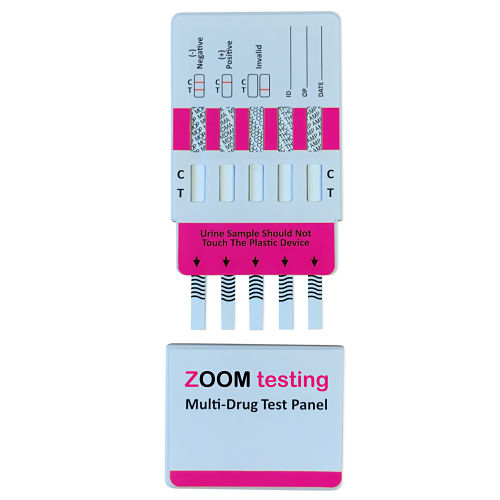
With drug contamination and new substances emerging regularly, comprehensive testing is essential for workplace safety. Our multi-drug testing kits provide reliable, accurate results for the substances most commonly encountered in UK workplaces.
Why choose our multi-drug tests:
- Test for multiple substances simultaneously
- Fast, accurate results in minutes
- Easy to use with clear instructions
- Trusted by UK employers for nearly 20 years
What Our Customers Say
“I bought these to test my PCV Drivers and they worked very good. Delivery was very fast and they were very quick at replying to any queries when e-mailed. Will be using them again in the future if needed and are highly recommended.”
– Kayleigh R
“I’ve never taken drugs or used a drug test before so it was a bit intimidating at first but I contacted Zoom Testing and they were very helpful in pointing me in the right direction. I was worried about my son who had been smoking cannabis. The test was simple to use and I now have peace of mind knowing that he is no longer using the drug. Also allowed me to confirm that he was not using anything else. Good deterrent too, as he knows that he can be tested at any time.”
– Tina
“I bought these so that I could test my teenager. He’s been hanging around in the wrong crowd and I was concerned that he was smoking and maybe trying other things. The kits arrived very quickly and with full instructions. Test itself was easy to use and I would recommend this item to any parent in a similar situation to me. Results of the test give a clear positive or negative. Will order again if needed.”
– Sarah H
About the Author
Anthony Cunningham – Drug Testing Expert & Editor
Anthony Cunningham, BA (Hons), MA, is a UK-based drug testing expert and editor with over 20 years’ experience running Zoom Testing, a trusted source for accurate drug testing kits and testing guidance. He creates clear, evidence-based articles using UK legislation, workplace compliance standards, and harm reduction best practices. Where possible, content is reviewed by testing specialists and compliance professionals to enhance accuracy and reliability, helping readers make informed testing decisions.