About This Article
Zoom Testing has supplied drug testing kits and published practical testing guidance for over 20 years. This article explains how cotinine urine tests detect recent nicotine exposure, how results should be interpreted and what support is available for people who want to stop smoking.
Published: 1 January 2020 | Last Updated: 18 September 2026 | By: Anthony Cunningham
Contents
- Testing For Smoking Using Cotinine Drug Test Kits
- Workplace Drug Testing
- How Nicotine Causes Addiction
- Using a Cotinine Drug Test Kit
- Testing Young People For Drugs
- How Long the Test Can Detect Nicotine
- Stopping Smoking and Nicotine Use
Testing For Smoking Using Cotinine Drug Test Kits
Nicotine is one of the most commonly used drugs in the UK. It is a chemical that you find in tobacco. When tobacco is smoked by an individual, the nicotine is absorbed by the lungs. When chewed, it is absorbed through the lining of the mouth. Either way, nicotine reaches the brain in a matter of seconds. Nicotine mimics acetylcholine, a chemical naturally found in the brain, and binds to acetylcholine receptor molecules. Some of the receptors are located in the brain’s pleasure centre, which would explain some of the euphoric effects of nicotine. Cotinine drug test kits are used as a way of detecting recent nicotine use in a person. These types of urine drug tests detect cotinine, which is a metabolite of nicotine.
Workplace Drug Testing
Testing by employers for tobacco or nicotine use has been identified as one of the top five trends in UK drug testing. Nicotine is also one of the top 10 most addictive legal drugs. Employers should obtain informed consent for workplace drug testing and follow a clear written policy, including when testing for nicotine use. In today’s world where nicotine is consumed in various forms, the cotinine test cannot distinguish cigarette smoking from the use of other nicotine products. These include nicotine patches, nicotine gum and nicotine vapes.
Nicotine is a drug that is often used by young people. Some argue that it is a gateway drug to stronger drugs of abuse. Experts argue both for and against this view. Drug testing of young people is also used in some settings, including drug testing in schools.
How Nicotine Causes Addiction
It is no secret that nicotine is highly addictive. Many smokers say they want to quit but have been unsuccessful. Nicotine withdrawal can cause irritability, anxiety, difficulty concentrating and insomnia. Second-hand cigarette smoke contains a number of harmful chemicals, including tar and carbon monoxide. Smoking is a leading cause of heart and lung disease and is responsible for approximately a quarter of cancers in the UK.
In the UK, the NHS offers free services that can help people to quit smoking.
Using a Cotinine Drug Test Kit
There are several ways of detecting nicotine use. A cotinine urine test is a convenient way to determine whether an individual has recently used tobacco or another nicotine product. The test detects cotinine, one of the by-products of nicotine metabolism.
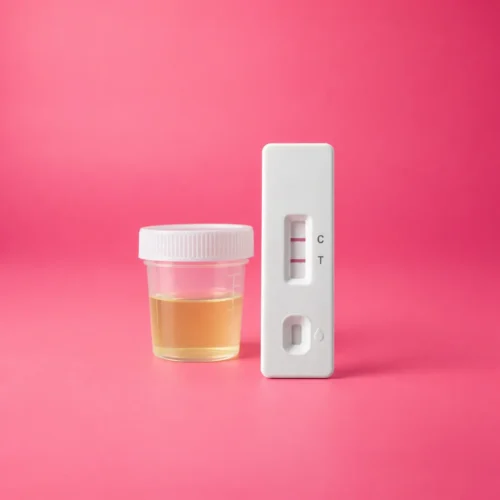
The cotinine drug test kit works much like any other urine drug test. First, obtain a sample of urine. Depending on the test format, dip the test into the urine or add a urine sample to the test cassette using the pipette provided. Follow the kit instructions for the correct immersion and reading times. The test supplied by Zoom Testing uses a cut-off of 200 ng/mL of cotinine. Cut-off levels can differ between products and testing programmes, so always use the threshold and interpretation guidance supplied with the particular test. Results are reliable when the instructions are followed correctly, but an initial screening result is not the same as a laboratory-confirmed result.

Cotinine Drug Test Kit
The Cotinine Drug Test Kit is a urine screening test designed to detect cotinine, the principal metabolite of nicotine. It may detect nicotine exposure from cigarettes, vapes and nicotine replacement products.
Testing Young People For Drugs
Nicotine is often a young person’s first experience of using drugs, and parents are rightly concerned if their child has been smoking or vaping. A nicotine drug test can identify recent nicotine exposure, but testing should form part of a supportive conversation rather than being used on its own.
The Tobacco and Vapes Act 2026 introduces a phased restriction under which people born on or after 1 January 2009 will not be legally able to buy tobacco products. The legislation is intended to create a smoke-free generation and also strengthens controls relating to vaping and nicotine products.
How Long the Test Can Detect Nicotine
A nicotine drug test kit actually tests for cotinine, so it is more accurately described as a Cotinine Drug Test Kit.
When you smoke or vape, you absorb nicotine. As this substance enters your body, it begins to be metabolised into cotinine. Cotinine is excreted into the urine along with other waste products from the body. As a general guide, cotinine may be detectable in urine for about three to four days after use. The actual detection window varies with the amount and frequency of nicotine use, individual metabolism, the specimen and the test cut-off.
Exposure to second-hand smoke can produce low levels of cotinine, but whether a screening test detects that exposure depends on its cut-off. A positive result cannot identify whether the nicotine came from cigarettes, vaping, nicotine replacement therapy or another nicotine product.
Stopping Smoking and Nicotine Use
Nicotine is a highly addictive stimulant that can cause unpleasant withdrawal symptoms. Despite withdrawal, quitting is possible, and there are many benefits in giving up smoking. There is no proven food, drink, supplement or exercise routine that will rapidly remove cotinine from the body or guarantee a negative test result.
Evidence-based help includes behavioural support, nicotine replacement therapy and suitable stop-smoking medicines. NHS Stop Smoking Services can help people choose an appropriate approach and provide ongoing support. Friends, family and support groups can also make quitting easier.
About the Author
Anthony Cunningham, BA (Hons), MA, is a UK-based drug testing expert and editor with over 20 years’ experience running Zoom Testing, a trusted source for accurate drug testing kits and testing guidance. He creates clear, evidence-based articles using UK legislation, workplace compliance standards, and harm reduction best practices. Where possible, content is reviewed by testing specialists and compliance professionals to enhance accuracy and reliability, helping readers make informed testing decisions.
Drug Testing Disclaimer
This article is for general information only. Drug test cut-off levels, detection times and results can vary according to the test, specimen type and testing standard being used. A screening result should not be used on its own to make medical, legal or employment decisions. Where a test result has significant consequences, appropriate confirmation testing and professional advice should be considered.