Published: 17 April 2026 | Last Updated: 17 April 2026 | By Anthony Cunningham
This week’s drug testing industry roundup covers the alarming rise of ketamine-related harms, a significant new Home Office wastewater report on UK drug consumption trends, growing concerns around pregabalin, and fresh warnings about synthetic opioids. With nearly 20 years of experience in professional drug testing, we’ve analysed the week’s most important stories to help UK employers stay informed and compliant.
It’s been a busy week for drug news in the UK. The Home Office published new wastewater data that confirms what many of us in the testing industry have suspected for some time: ketamine and cocaine are both on a sharp upward trajectory, while heroin continues its long decline. Meanwhile, two separate personal accounts – one in the Guardian, one on ITV – brought home the very real human cost of ketamine addiction in a way that statistics alone rarely manage.
Wastewater Data Confirms Ketamine and Cocaine on the Rise
The Home Office released a substantial new report this week – Wastewater Analysis: Estimating Drug Consumption – drawing on experimental data from 42 sites covering around 28% of England’s population. The headline finding is that cocaine has the highest consumption and market value of any illegal drug, followed by ketamine. But the trend data is equally striking: between 2021 and 2025, consumption increased for ketamine, MDMA, methamphetamine and cocaine, while decreasing for heroin and amphetamine.
For employers, this matters. If you’re running a drug testing programme that was designed a decade ago, it may not be screening for the substances most prevalent in your workforce today. Ketamine in particular has moved from being a niche club drug to one of the most widely consumed substances in England – and its effects on workplace performance and safety are serious. Understanding how long ketamine stays in the system is an increasingly relevant question for HR and safety managers.
The Human Cost of Ketamine Addiction
Two vivid personal accounts this week underlined the scale of ketamine-related harm. In the Guardian, Thomas Delaney described his addiction beginning in his teens and worsening throughout his twenties – the physical damage, particularly to his bladder, eventually forcing him to stop. On ITV, former users from Dorset warned of the drug’s destructive effects, as local figures showed sharply rising numbers of people seeking help.
What both accounts have in common is the slow-burn nature of ketamine dependency – users often don’t recognise how serious their use has become until the damage is done. That’s a challenge for employers too. Unlike alcohol, ketamine doesn’t always produce obvious short-term signs of intoxication at lower doses. A comprehensive workplace drug testing programme that includes ketamine screening is increasingly a sensible precaution for safety-critical roles.
Is the UK Sleepwalking into a Pregabalin Crisis?
A piece published by Talking Drugs this week asked a question that deserves a wider audience: Is the UK sleepwalking into a pregabalin crisis? The drug – originally prescribed for neuropathic pain and anxiety – has become one of the most popular street drugs in areas like Teesside and Middlesbrough, particularly in communities with high deprivation and established opioid markets.
Pregabalin is classified as a gabapentinoid, and a new study published this week in PLOS Medicine adds further weight to the concern. Researchers found a significant association between gabapentinoid treatment – particularly when combined with opioids or benzodiazepines – and the risk of drug poisoning. The combination is particularly dangerous, and it’s a combination that is far from rare on the street. Standard urine drug tests don’t routinely detect pregabalin, which is something worth bearing in mind if your workforce operates in areas where the drug is prevalent.
Vaping: Dental Damage and a Boy Who Fell Ill
Two vaping stories caught the eye this week. The BBC reported on a former dental nurse whose £120-a-month vaping habit left her with severely damaged front teeth – a visceral example of a harm that doesn’t get nearly enough attention. The physical consequences of heavy vaping extend well beyond the lungs.
Separately, the BBC reported that no crime was found in the case of a boy who fell ill after vaping, with investigators finding no evidence the device had been laced with any other substance. That’s a relatively reassuring outcome, but the case reflects real parental anxiety about the possibility of laced vapes – a concern that’s not without foundation given what’s happened in other cases. There’s useful guidance at our article on parents and vaping awareness.
Drugs in Prisons: Chief Inspector Sounds the Alarm
A Guardian editorial this week called for urgent action on drugs in prisons, describing the impunity with which organised crime groups operate inside UK jails as scandalous. The piece followed the chief inspector’s latest report and argued that blocking drones – the main delivery mechanism for contraband – should be only the beginning of a much broader response. This is a systemic problem that sits at the intersection of drug policy and criminal justice, and it rarely gets the political attention it deserves.
Cost of Living Driving Alcohol Reduction Attempts
New research published in the International Journal of Drug Policy this week examined the link between financial hardship and attempts to cut down on drinking. The study – which builds on earlier findings that cost is an increasingly important motive for reducing alcohol use among risky drinkers – suggests the cost-of-living crisis may be acting as an inadvertent public health intervention for some groups. That’s not a policy you’d want to rely on, but it’s an interesting data point about the relationship between economics and behaviour. ACAS guidance on drug and alcohol testing at work remains a useful reference for employers navigating these issues in the workplace.
Adolescent Substance Use: New Research on Early Onset Risks
An open-access study in the International Journal of Drug Policy looked at substance-specific influences on adolescent vaping, smoking, alcohol and illicit drug use, noting that using substances before 15 is a key predictor of needing treatment later in life. The research identified specific risk and protective factors for contemporary adolescents – a population whose lives have changed considerably since the turn of the century. For schools and parents trying to get ahead of these issues, school drug prevention products are one practical tool available.
International Round-up: Sweden Goes Smoke-Free, and More
A couple of international stories worth noting. Sweden has become the world’s first officially “smoke-free” country, with daily smoking now below 4% of the population – down from far higher levels in recent decades. It’s a remarkable public health achievement, though researchers and harm reduction advocates debate how much credit belongs to snus and nicotine pouches as substitutes rather than outright cessation.
Meanwhile in the US, research published in the Journal of the American Medical Association Network Open found that fewer than 15% of Medicaid patients had appropriate follow-up care after emergency department visits for mental health and substance use conditions, with rates even lower among Black patients and those experiencing homelessness. The gap between acute treatment and ongoing support remains one of the most stubborn problems in addiction care.
What This Week Means for Employers
The week’s big story for workplace drug testing is the Home Office wastewater data confirming ketamine’s rise. If your current testing panel doesn’t include ketamine, it’s worth reviewing. The same goes for MDMA – another substance showing an upward trend in consumption data.
Our guide to comparing 12 vs 18 panel drug test kits is a useful starting point if you’re thinking about expanding your testing scope. An 18-panel test that includes ketamine and ecstasy/MDMA gives you much broader coverage without significantly increasing cost or complexity. Understanding what happens when an employee fails a drug test at work – and having a clear policy in place before any test is administered – remains essential groundwork. The ACAS guidance at acas.org.uk covers the legal framework in detail.
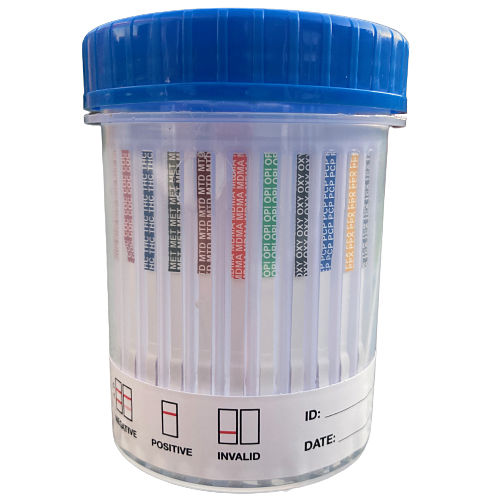
Take Action: Comprehensive 18-Panel Drug Testing
With ketamine and MDMA consumption rising sharply across the UK, ensure your testing programme covers the full picture. Our 18 Panel Drug Test with Integrated Cup screens for 18 substances including ecstasy and ketamine – fast, accurate, and easy to use.
What Customers Say
“Thank you to the team at Zoom Testing for advice before buying this drug test kit, I was looking for something that was easy to use and gave accurate results, in line with any workplace drug test. This kit did both and I was pleased to receive it with such fast delivery.”
– Jore
“I was really pleased to find this as I needed a comprehensive drug test kit and this is the biggest one that I could find. Price was very reasonable and the test arrived quickly. I found it to be an easy to use product with clear instructions. Results were clear and easy to interpret.”
– Jason
“These Ketamine tests gave me great peace of mind at a difficult time in my family situation. The drug tests arrived quickly in plain packaging and with easy to understand instructions. Results were clear. I was very happy with the service I received from Zoom Testing.”
– LLoyd
About the Author
Anthony Cunningham – Drug Testing Expert & Editor
Anthony Cunningham, BA (Hons), MA, is a UK-based drug testing expert and editor with over 20 years’ experience running Zoom Testing, a trusted source for accurate drug testing kits and testing guidance. He creates clear, evidence-based articles using UK legislation, workplace compliance standards, and harm reduction best practices. Where possible, content is reviewed by testing specialists and compliance professionals to enhance accuracy and reliability, helping readers make informed testing decisions.