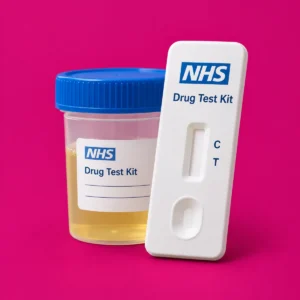
Drug and alcohol testing can form an important part of workplace health and safety, particularly in safety-critical industries. Testing may be used during recruitment or employment where there is a clear and justified reason for doing so, but employers need to consider consent, data protection, proportionality and how the results will be used.
About This Article
Zoom Testing has more than 20 years’ experience supplying workplace drug and alcohol testing products in the UK. Originally developed from an earlier Zoom Testing guide, this article has been reviewed and updated to reflect current guidance on workplace drug testing, including consent, safety-critical roles and the handling of test results.
Published: 24 February 2025 | Last Updated: 7 October 2026 | By: Anthony Cunningham
Pre-Employment Drug Testing
Drug screening may form part of the recruitment process, particularly where the role involves significant health and safety risks. However, employers should have a clear and justified reason for testing rather than routinely testing every applicant regardless of the job involved.
Where testing is likely to be required, applicants should be told about this at an appropriate stage of the recruitment process. Current Information Commissioner’s Office guidance says that medical examination or testing of applicants should only be used where it is necessary and justified. In many cases, testing is most appropriate when there is a likelihood that the applicant will be appointed subject to satisfactory results.
Employers also need to consider how information obtained from testing will be processed and protected. Drug and alcohol test results can constitute health information and therefore require appropriate safeguards under UK data protection law. For a more comprehensive understanding of workplace testing, see our guide to the legality of drug testing in the workplace.
Workplace testing is generally easier to justify where impairment could create a significant safety risk. This can include roles involving driving, operating machinery or making other safety-critical decisions. Industries such as construction may therefore have particular reasons for implementing testing programmes. You can read more about drug testing in UK construction and the related laws.
Employers considering pre-employment testing should decide in advance why testing is necessary, who will be tested, which substances are relevant to the risks associated with the role and what will happen following the result. The testing procedure should then be applied consistently and fairly.
Employment Drug Testing in the UK
Drug and alcohol testing may also be carried out during employment. Employers should have a clear workplace drug and alcohol policy explaining when testing may take place, what employees may be tested for and the possible consequences of a test result or refusal to take a test.
Government and Health and Safety Executive guidance states that employees must consent to drug screening. Employees cannot simply be forced to take a test, although refusal may have disciplinary consequences where an employer has good grounds for testing and the requirement forms part of an appropriate workplace policy.
Testing should be proportionate to the risks involved. It may be particularly appropriate in safety-critical jobs, while routine testing of employees whose work does not present comparable risks may be much harder to justify. Where random testing is used, the selection process should be genuinely random and should normally be limited to employees whose roles justify that level of testing.
The substances included in a workplace drug test should also reflect the purpose of the testing programme. Common drug screening panels can include Cannabis, Cocaine, Opiates, Amphetamine, Methamphetamine and Benzodiazepines, while larger panels can screen for additional substances. The Zoom Testing 12 Parameter Drug Test, for example, screens for a broader range of commonly tested drug groups.
However, a larger testing panel is not automatically more appropriate. Employers should consider which substances are relevant to the identified workplace risk and avoid collecting more information than is necessary for the purpose of the testing programme.
When buying drug tests, it is important to choose suitable tests from an experienced and reputable supplier. Testing products should be stored and used in accordance with the manufacturer’s instructions, and employers should understand the limitations of the particular screening method they are using.
Technical support can also be important. A workplace testing programme involves more than simply carrying out a test. Employers need to understand sample collection, test interpretation, record keeping and the appropriate procedure following a non-negative screening result.
Implementing a Workplace Drug Testing Programme
A workplace drug testing programme should form part of a wider drug and alcohol or health and safety policy rather than being introduced in isolation. Before testing begins, employers should establish why testing is necessary and document how the programme will operate.
A workplace testing policy should normally make clear:
- why drug or alcohol testing is being carried out;
- which employees or roles may be subject to testing;
- the circumstances in which testing may take place;
- which substances are being tested for;
- how samples will be collected and tests carried out;
- how test information will be stored and kept confidential;
- what happens following a non-negative screening result; and
- the possible consequences of refusing a test or breaching the organisation’s drug and alcohol policy.
Employers should also consider their data protection responsibilities. Information obtained through drug and alcohol testing may be special category health data. Employers therefore need to identify an appropriate lawful basis and special category condition for processing it, limit the information collected to what is necessary and keep relevant information secure and confidential. A Data Protection Impact Assessment may also be appropriate when introducing a testing programme.
Screening tests should not automatically be treated as infallible proof that an employee has misused a drug or is impaired at work. Some medicines and other factors can affect screening results, and interpretation may require specialist knowledge. Employers should have a clear procedure for dealing with non-negative results and, where appropriate, obtaining confirmation before making significant employment decisions.
Many employers wonder what happens when an employee fails a workplace drug test. Understanding the procedure and employment implications is important before testing begins. Our guide to what happens if you fail a drug test at work looks at this in more detail.
Testing should also sit alongside appropriate management and support. Managers and HR professionals should know how to respond where they have concerns about an employee’s behaviour or possible substance misuse. Our guide to signs an employee is struggling with substance abuse and how to help provides further guidance.
For organisations considering whether testing is appropriate, our article on the 10 benefits of drug testing at work looks at some of the reasons employers introduce testing programmes.
Different industries can also have different risks and requirements. HGV drivers, for example, carry significant safety responsibilities because impairment can put the driver, other road users and the public at risk. If your organisation operates in the transport sector, see our guide to HGV drivers drug testing laws and rules.
Getting Workplace Drug Testing Right
Workplace drug testing can be a useful part of an organisation’s health and safety arrangements, particularly where employees perform safety-critical work. However, testing needs to have a clear purpose and should be proportionate to the risks involved.
A well-designed programme combines an appropriate workplace policy with suitable testing procedures, confidentiality, fair treatment of employees and a clear process for dealing with results. Employers should also keep their policy under review as workplace risks, testing technology and regulatory guidance change.
About the Author
Anthony Cunningham, BA (Hons), MA, is a UK-based drug testing expert and editor with over 20 years’ experience running Zoom Testing, a trusted source for accurate drug testing kits and testing guidance. He creates clear, evidence-based articles using UK legislation, workplace compliance standards, and harm reduction best practices. Where possible, content is reviewed by testing specialists and compliance professionals to enhance accuracy and reliability, helping readers make informed testing decisions.
Drug Testing Disclaimer
This article is for general information only and does not constitute legal, employment or medical advice. Workplace drug testing policies and individual circumstances can vary. Screening tests may produce non-negative results that require further investigation or confirmation. Employers should ensure that their testing programme complies with current employment, health and safety and data protection requirements and should obtain appropriate professional advice where necessary.