About This Article
Zoom Testing has supplied drug testing kits to UK customers for nearly 20 years. This weekly roundup draws on our experience helping thousands of employers, parents, and individuals understand emerging drug threats, workplace compliance, and substance detection challenges. Always follow current UK legislation regarding drug testing.
Published: 16 January 2026 | Last Updated: 16 January 2026 | By Anthony Cunningham
This week brought stark reminders of the drug challenges facing UK workplaces. From Army personnel testing positive for cocaine to warnings about super-strength synthetic opioids on London’s streets, the stories underline why robust testing programmes remain essential for safety-critical industries.
Army’s “Biggest Drugs Bust” Highlights Military Testing Issues
Twenty-three personnel from 32 Engineer Regiment based in Catterick, North Yorkshire, face dismissal after testing positive for drugs in what The Sun described as the “biggest drugs bust” to hit the British Army. The soldiers were reportedly caught in a sting operation just before Christmas.
For civilian employers, particularly those in safety-critical sectors, this serves as a reminder that drug use affects all industries and ranks. If military personnel subject to strict discipline and regular testing can fall into this trap, workplace testing programmes need to be equally rigorous.
Super-Strength Synthetic Opioids Emerging in UK
A worrying new drug called cychlorphine has appeared on London’s streets, with volunteers reporting it’s already killed three people. Described as 200 times stronger than heroin, the substance is being mixed into other hard drugs and counterfeit pharmaceuticals.
This follows an upcoming training session on emerging drug trends that will cover the rise in synthetic opioids including nitazenes, which are creating new detection challenges. According to educators, the latest developments in the drugs market include increasing consumption of cocaine including crack, and changes in how benzodiazepines and gabapentinoids are being used.
Meanwhile, international research has identified abnormally slow heart rate as a symptom of xylazine-opioid overdose. Xylazine, a veterinary sedative increasingly found mixed with fentanyl in the illicit drug supply, poses detection challenges for standard testing programmes.
The common thread? These synthetic opioids don’t show up on standard drug testing panels. They’re chemically distinct from traditional opioids, creating blind spots in conventional workplace testing protocols.
Ketamine Abuse Creates Long-Term Health Crisis
An expert at Aintree University Hospital warned that more people will need stomas from ketamine abuse. There has been a huge rise in people taking the drug, and a specialist clinic has been set up to help long-term users who have developed significant bladder damage.
For employers, ketamine use presents a dual problem: immediate impairment affecting workplace safety, and long-term health issues that could impact employee wellbeing and attendance. The drug is typically used recreationally but causes serious medical complications with chronic use.
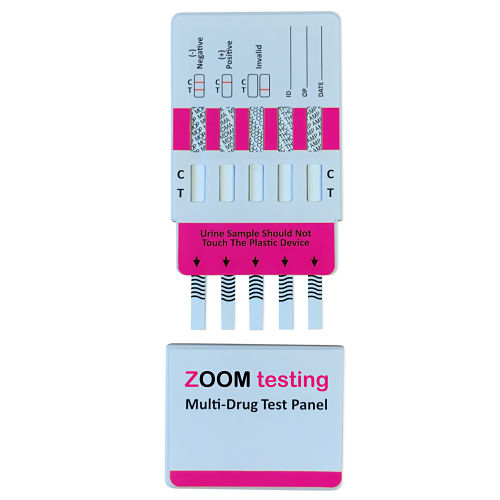
Take Action – Protect your workplace from drug-related risks with reliable multi-drug testing kits. Our comprehensive panels detect the most common workplace substances.
Prison Drug Crisis Continues Despite Warnings
The Government’s response to MPs’ report on prison drugs has been criticised as “not enough”. The Justice Select Committee made 29 recommendations to tackle the drugs crisis in prisons, yet the Government has only accepted eight of them.
Separately, HM Inspectorate of Prisons raised concerns about a jail where drugs were “readily available”, saying the significant issue must be addressed urgently.
Prison drug markets often reflect street trends. The substances finding their way into secure facilities are the same ones that eventually appear in workplaces. What’s particularly concerning for employers is that prison drug markets tend to favour substances that are harder to detect, providing a preview of testing challenges you may face.
Prescription Painkillers Get Stronger Addiction Warnings
The Medicines and Healthcare products Regulatory Agency (MHRA) has strengthened addiction warnings on medicines prescribed to 4.5 million Britons. The move follows a safety review that flagged risks linked to gabapentinoid painkillers, benzodiazepine tranquillisers and Z-drugs used for sleep.
This matters for workplace testing because prescription drug abuse is a growing concern. Employees may believe they’re not “drug users” because their substances came from a doctor, but impairment from prescription medications poses identical safety risks to illicit drug use.
Failing Young People: Treatment Gap Widens
A BBC investigation found significant failings in drug treatment for young people. Three mothers whose teenage sons died after becoming addicted to drugs told the BBC the system failed their children. The investigation found significant disparities in community care and a lack of state-funded residential facilities for under-18s, despite a 13% rise in under-18s seeking support in 2024-25.
For employers, this highlights a broader issue: young workers may arrive at your workplace already struggling with substance issues, with inadequate support systems to help them recover.
Festive Drink and Drug-Driving Crackdown Yields Hundreds of Arrests
A month-long campaign to reduce drink and drug-driving resulted in 369 arrests. Separately, Cumbria Police detained 94 drivers for drug-driving offences, with 50 arrested for drink-driving and 21 for failing to provide specimens.
For businesses with company vehicles or employees who drive as part of their role, these figures underscore the importance of clear drug and alcohol policies. According to ACAS guidance on workplace drug testing, employers can maintain testing policies to ensure safety, particularly for driving roles.
Policy Developments: From Cannabis Decriminalisation to Drug Consumption Rooms
Jersey politicians are proposing to decriminalise cannabis, with the States Assembly set to vote in February on a proposal that would mean people are no longer prosecuted for possession of small amounts.
Meanwhile, the UK’s first legal drug consumption room in Glasgow registered almost 600 users since opening in January 2025. The Thistle has been accessed 11,348 times for 7,827 injections, with staff managing 93 medical emergencies.
For employers, policy changes don’t alter workplace safety obligations. Whether cannabis is decriminalised or not, you still need to know if employees are impaired whilst operating machinery or driving company vehicles. Legal status doesn’t eliminate impairment.
What Customers Say
“I wanted to test for a number of drugs at the same time. Being rather bewildered by the wide choice of tests available, I went for this one. Glad I did – very simple to use and results were quick and clear. Recommend.”
– Joseph
“I bought these to test my PCV Drivers and they worked very good. Delivery was very fast and they were very quick at replying to any queries when e-mailed. Will be using them again in the future if needed and are highly recommended.”
– Kayleigh R
“Thank you to the team at Zoom Testing for advice before buying this drug test kit, I was looking for something that was easy to use and gave accurate results, in line with any workplace drug test. This kit did both and I was pleased to receive it within 24 hours of ordering.”
– Jore
What This Week Means for Your Testing Programme
Several themes emerge from this week’s coverage:
First, emerging synthetic drugs create detection gaps. Substances like cychlorphine, nitazenes, and xylazine don’t appear on standard testing panels. You may be testing for yesterday’s drugs whilst employees use tomorrow’s substances.
Second, drug use affects all sectors and ranks. If it’s happening in the British Army, it’s happening in civilian workplaces. No industry is immune.
Third, prescription drug abuse deserves attention. The MHRA’s strengthened warnings reflect growing recognition that legal medications can create workplace impairment and safety risks.
Fourth, policy changes don’t alter safety obligations. Whether substances are decriminalised or drug consumption rooms open, employers still need to maintain safe workplaces.
At Zoom Testing, we’ve been helping UK employers navigate these challenges for nearly two decades. Our urine drug testing and saliva drug testing kits detect the most common workplace substances, and we stay current on emerging threats affecting British businesses.
The drug landscape keeps changing, but the fundamental principle remains constant: workplace safety requires vigilance, appropriate testing, and clear policies.
About the Author
Anthony Cunningham – Drug Testing Expert & Editor
Anthony Cunningham, BA (Hons), MA, is a UK-based drug testing expert and editor with over 20 years’ experience running Zoom Testing, a trusted source for accurate drug testing kits and testing guidance. He creates clear, evidence-based articles using UK legislation, workplace compliance standards, and harm reduction best practices. Where possible, content is reviewed by testing specialists and compliance professionals to enhance accuracy and reliability, helping readers make informed testing decisions.