About This Article
Zoom Testing has supplied drug testing kits to UK customers for nearly 20 years. This guide draws on our experience helping thousands of people understand drug testing, workplace compliance, and HGV driver safety regulations. Always follow current UK legislation regarding drug testing.
Published: February 16, 2025 | Last Updated: December 29, 2025 | By Anthony Cunningham
HGV driving is demanding work. Drivers face long hours, long distances, and challenging weather conditions. This is why the industry takes drug testing so seriously – it helps keep both drivers and other road users safe.
Contents
What the Law Says About Drug Testing
The law treats all drivers the same, whether they drive a car or an HGV. Under the UK drug-driving law, you break the law if:
- You have illegal drugs in your system that make you unfit to drive
- The level of drugs in your system is above the legal limit
But it’s not just illegal drugs you need to think about. Some prescription medicines can also cause problems. Even if your doctor prescribed them, you can’t drive if they affect your driving ability.
These medicines include:
Breaking these rules leads to tough penalties:
- A heavy fine
- A driving ban for at least one year
- Up to six months in prison
- A criminal record
For HGV drivers, getting caught usually means the end of their driving career.
Legal Drug Limits for Drivers
The UK has specific legal limits for drugs in your system whilst driving. These limits are set at very low levels to ensure road safety. According to Government guidance on drug-driving, exceeding these thresholds is a criminal offence:
| Drug | Legal Limit (micrograms per litre of blood) |
|---|---|
| Cannabis (THC) | 2 µg/L |
| Cocaine | 10 µg/L |
| Heroin (Diamorphine) | 5 µg/L |
| Amphetamine | 250 µg/L |
| Ketamine | 20 µg/L |
| MDMA (Ecstasy) | 10 µg/L |
These limits apply to all drivers, including HGV operators. Even trace amounts above these thresholds can result in prosecution, regardless of whether your driving appears impaired.
Current Testing Rules in the UK
When you apply for or renew your HGV licence, you need a medical check. The doctor looks for signs of drug use and heavy drinking. According to DVLA medical standards, your licence will likely be refused if:
- You’ve had problems with drugs or alcohol in the last year
- You’ve been dependent on drugs or alcohol in the last three years
The law doesn’t require companies to test their HGV drivers. Each company has its own approach. Some do random testing throughout the year. Others test only after accidents. Many test new drivers before hiring them.
Police can stop and test any HGV driver at the roadside. If this test shows a problem, you’ll need more tests at the police station.
Employer Testing Policies
Whilst not legally mandated, many transport companies implement comprehensive workplace drug testing programmes. According to ACAS guidance on workplace testing, employers must have clear policies and procedures in place before conducting any tests.
Common employer testing scenarios include:
- Pre-employment screening: Testing candidates before offering driving positions
- Random testing: Unannounced tests throughout employment
- For-cause testing: Testing after incidents or when impairment is suspected
- Return-to-duty testing: Testing after extended absence or rehabilitation
Why Testing HGV Drivers Matters
Drug testing helps keep our roads safe. Regular testing lets companies:
- Make sure their drivers are fit to drive
- Spot any problems early on
- Help drivers who need support before problems get worse
- Show they take safety seriously
Most good companies now test drivers regularly, even though the law doesn’t force them to.
Take Action: Professional Workplace Drug Testing
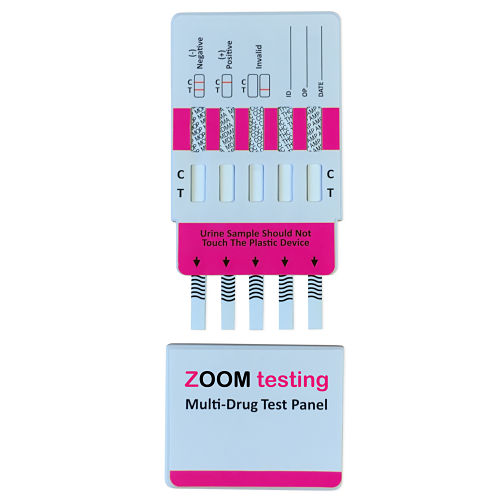
The 10 Panel Drug Screen is the UK workplace standard for comprehensive testing. It detects cannabis, cocaine, amphetamines, opiates, and seven other common substances in a single test. Ideal for HGV operators, transport managers, and safety-critical roles.
Drug Testing Methods
Police use quick roadside tests with modern testing devices. These use saliva samples and give fast results. The tests are:
- Quick to do
- Easy for drivers
- Reliable enough for roadside checks
- Less intrusive than other methods
If the roadside test shows drugs, or if police need to be certain, they take you to the station for more testing. At the station, they can use either:
- A blood test
- A urine test
Many transport companies now use various testing methods. This helps:
- Keep their drivers safe
- Find any problems quickly
- Show they take road safety seriously
How Long Drugs Stay Detectable
Understanding detection windows is crucial for HGV drivers. Different drugs remain detectable in your system for varying lengths of time:
Detection Times in Urine Tests
- Cannabis: Up to 30 days for regular users, 3-7 days for occasional use (learn more about how long cannabis stays in your system)
- Cocaine: 2-4 days for most users
- Amphetamines: 2-4 days
- Opiates (heroin, morphine): 2-3 days
- Benzodiazepines: Up to 7 days for prescribed medications
Detection Times in Saliva Tests
- Cannabis: Up to 24 hours
- Cocaine: 24-48 hours
- Amphetamines: 24-48 hours
- Opiates: 24-36 hours
These are approximate guidelines. Actual detection times vary based on factors including metabolism, body weight, frequency of use, and the specific drug test used.
What to Do About Prescribed Medications
If you’re prescribed medication that might affect your driving or show up on a drug test, follow these steps:
Steps to Take
- Talk to your doctor: Ask specifically whether the medication affects your ability to drive an HGV. Don’t assume it’s safe just because it’s prescribed.
- Check the medication leaflet: Look for warnings about driving or operating machinery.
- Inform your employer: Tell your transport manager about any prescribed medications that might affect driving or drug tests.
- Keep documentation: Always carry your prescription or a letter from your doctor explaining your medication.
- Consider alternatives: Ask your doctor if there are alternative treatments that don’t affect driving ability.
Remember, having a prescription doesn’t automatically mean you’re allowed to drive if the medication impairs you. Your responsibility is to ensure you’re fit to safely operate your vehicle.
Final Thoughts
For HGV drivers, staying drug-free is vital for everyone’s safety. The best companies support this with clear testing rules and help for any driver who needs it.
Remember to always check with your doctor about any prescribed medicines. Make sure you know how they might affect your driving, especially when you’re responsible for a large vehicle.
What Our Workplace Customers Say
“I bought these to test my PCV Drivers and they worked very good. Delivery was very fast and they were very quick at replying to any queries when e-mailed. Will be using them again in the future if needed and are highly recommended.”
— Kayleigh R., ⭐⭐⭐⭐⭐
“Top quality kits delivered in a timely manner. Also upgraded my order from 7 panel to 10 panel at no extra cost. Highly recommended very professional company.”
— glynis, ⭐⭐⭐⭐⭐
“Very fast delivery thank you”
— Verified Buyer, ⭐⭐⭐⭐⭐
Photo by Anthony Cunningham for Zoom Testing
Zoom Testing is a leading UK drug testing company and a supplier of Drug Test Kits.
About the Author
Anthony Cunningham – Drug Testing Expert & Editor
Anthony Cunningham, BA (Hons), MA, is a UK-based drug testing expert and editor with over 20 years’ experience running Zoom Testing, a trusted source for accurate drug testing kits and testing guidance. He creates clear, evidence-based articles using UK legislation, workplace compliance standards, and harm reduction best practices. Where possible, content is reviewed by testing specialists and compliance professionals to enhance accuracy and reliability, helping readers make informed testing decisions.