About This Article
Zoom Testing has supplied drug testing kits to UK customers for nearly 20 years. This guide draws on our experience helping thousands of people understand drug testing, workplace compliance, and the differences between cannabis, CBD, and hemp oils. Always follow current UK legislation regarding drug testing and cannabis products.
Published: February 1, 2024 | Last Updated: December 30, 2025 | By Anthony Cunningham
Quick Navigation
Clearing the Confusion: Cannabis, CBD, and Hemp Oils Explained
Cannabis, CBD oil, and hemp oil – these terms tend to get used interchangeably, leading to confusion about what they are and their legal status. This article will explain the key differences between these three oils derived from the cannabis sativa plant.
What is Cannabis and Cannabis Oil?
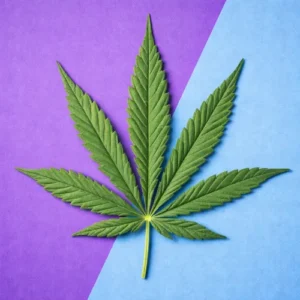
Cannabis refers to the psychoactive drug made from the flowers and leaves of certain cannabis sativa strains that are bred to contain high levels of tetrahydrocannabinol (THC). THC is responsible for the “high” feeling from cannabis use. Cannabis is the most commonly abused illegal drug in the UK.
Cannabis oil contains a high concentration of THC and can induce psychoactive effects if used. Like cannabis itself, cannabis oil is currently illegal to possess or supply in the UK. A positive drug test after using Cannabis Oil is possible.
Cannabis Legal Classification
Under the UK Misuse of Drugs Act 1971, cannabis is controlled as a Class B drug. This means it is illegal to possess, produce, supply, import or export cannabis in the UK. The maximum penalty for possession is five years’ imprisonment and an unlimited fine. For supplying or producing cannabis, the maximum sentence is 14 years in prison.
Important: In recent years, there have been numerous reports of cannabis oils containing dangerously high levels of THC. Always avoid cannabis oil products sold without proper regulation or licensing.
What is CBD Oil?
CBD oil is extracted from cannabis sativa strains as well, but comes from hemp plants bred to be high in CBD (cannabidiol) and low in THC. Unlike THC, CBD is non-psychoactive and does not produce a high. CBD oil is legal to buy and use in the UK and is growing in popularity for its reported health benefits. However, CBD oil is sometimes confused with cannabis oil.
CBD Oil: Legal and Non-Psychoactive
For CBD oil to be legal in the UK, it must contain less than 0.2% THC. According to Talk to Frank, CBD products that meet this threshold are legal to purchase and use. The NHS notes that CBD products are available as food supplements, though their quality and content can vary significantly.
CBD oil does not induce psychoactive effects but is popular due to its possible health benefits. Users report that CBD may help with relaxation, sleep quality, and general wellbeing, though more research is needed to fully establish these effects.
What is Hemp Oil?
Hemp oil comes specifically from hemp strains of cannabis sativa that contain very low levels of THC. Hemp oil is made by pressing only the hemp seeds, not the whole plant. Therefore, it contains neither THC nor CBD. Hemp oil is legal and may be found in health foods.
Hemp refers to cannabis sativa plants bred with low THC for use in textiles, CBD oil, nutritional benefits, etc. Hemp is fast-growing and hemp seeds and oils are legal.
Hemp Oil vs CBD Oil: What’s the Difference?
- Hemp seed oil: Made from pressed hemp seeds only, contains no CBD or THC, used for nutrition
- CBD oil: Extracted from hemp flowers/leaves, contains CBD (and trace THC under 0.2%), used for therapeutic purposes
- Different uses: Hemp oil is a food ingredient; CBD oil is taken as a supplement for wellness benefits
Key Differences: THC Content Explained
The key difference lies in the THC content. Cannabis contains high levels of THC while hemp contains very low levels. CBD oil comes from hemp and contains less than 0.2% THC, making it legal. Cannabis oil has greater than 0.2% THC and is illegal in the UK.
Cannabis use can lead to side effects like psychological disorders and dependency. CBD oil does not induce psychoactive effects but is popular due to its possible health benefits. Hemp oil from pressed seeds contains no THC or CBD and is used in food products.
Quick Comparison Table
| Product | THC Content | CBD Content | UK Legal Status | Psychoactive? |
|---|---|---|---|---|
| Cannabis Oil | High (>0.2%) | Varies | Illegal | Yes |
| CBD Oil | Very Low (<0.2%) | High | Legal | No |
| Hemp Seed Oil | None | None | Legal | No |
Legal Status in the UK
Understanding the legal status of these products is crucial for UK consumers. The UK government’s official guidance provides clear information on cannabis and CBD regulations.
Cannabis Oil: Illegal
Cannabis oil with THC content above 0.2% is a controlled Class B substance. Possession, supply, production, or import of such products is illegal and can result in criminal prosecution. This includes oils purchased online or from unregulated sources.
CBD Oil: Legal with Restrictions
CBD oil is legal in the UK provided it:
- Contains less than 0.2% THC (or is THC-free)
- Is derived from an approved industrial hemp strain
- Complies with UK Novel Food regulations
- Is not marketed with medical claims (unless licensed as a medicine)
Hemp Oil: Fully Legal
Hemp seed oil is a food product and is fully legal. It can be sold in health food stores, supermarkets, and online without restriction.
Why Testing Matters: Cannabis vs CBD
One critical distinction between these products is their detectability in drug tests. This matters significantly for employment screening, workplace drug testing, and legal compliance.
Cannabis Oil and Drug Tests
Cannabis oil contains significant amounts of THC, which is what drug testing kits for cannabis are designed to detect. THC metabolites can remain detectable in urine for several weeks after use, depending on frequency and amount consumed. To understand detection timelines, see our guide on how long cannabis stays in your system.
CBD Oil and Drug Tests
Legal CBD oil should not cause a positive drug test result, as it contains less than 0.2% THC. However, there are important caveats:
- Very high daily doses of CBD oil (over 1000mg per day) might accumulate enough trace THC to be detectable
- Some CBD products are mislabelled and actually contain higher THC levels than stated
- Full-spectrum CBD oils contain more THC than CBD isolates
- Drug tests screen specifically for THC, not CBD
If you face drug testing for employment or other reasons, it’s wise to test yourself beforehand to ensure you’ll pass. For more information, read about the top 5 reasons to drug test for cannabis.
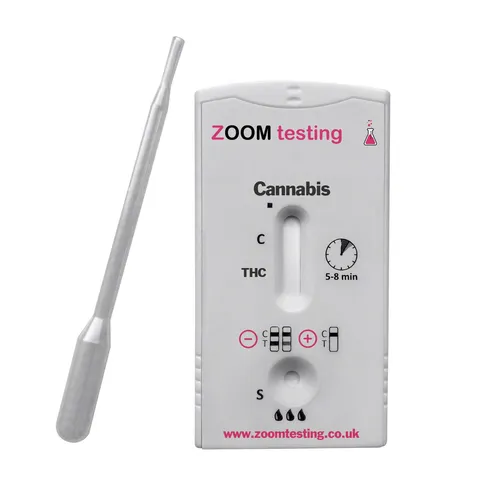
Need to Test for Cannabis? Our cannabis drug test kit provides accurate, reliable results in just 5 minutes. Perfect for pre-employment screening, workplace compliance, or personal peace of mind.
How to Choose Safe, Legal Products
Being aware of the differences between CBD, cannabis, and hemp oils allows you to make informed choices about these products. To be safe, always look for CBD oil made entirely from hemp to ensure legality and lack of psychoactivity. Only buy from reputable sources. Hemp oil itself will not provide CBD benefits. And avoid cannabis oil with illegal, high THC levels despite potential medical benefits. Knowing the differences enables proper usage.
What to Look for When Buying CBD Oil
- Third-party lab testing: Reputable suppliers provide certificates of analysis showing THC and CBD content
- Source verification: Look for products derived from EU-approved hemp strains
- THC content clearly stated: Should explicitly state <0.2% THC or THC-free
- UK compliance: Products should meet Novel Food regulations and FSA requirements
- Avoid unrealistic claims: Be wary of products making medical claims without proper licensing
Red Flags to Avoid
Be cautious of:
- Products without clear labelling of THC/CBD content
- Suspiciously cheap oils from unknown sources
- Products marketed as “cannabis oil” rather than “CBD oil”
- Oils sold without company information or contact details
- Products imported from countries where cannabis regulations differ from the UK
What Customers Say About Cannabis Testing
Many of our customers use cannabis drug tests to verify they can pass employment screenings or to ensure they’re clear of THC before important commitments. Here’s what some have shared about their experiences:
Real Customer Experiences
“Very simple and straightforward test to use, just follow the instructions that come with the cannabis test and you will soon see a clear positive or negative test result. Bought this kit as I am applying for jobs where I know that I will be tested for drugs as part of the selection process. My only vice is occasionally smoking weed, however I was certainly concerned that my usage would be enough for me to fail a drug test.”
“The first test I took came back positive. I took this test maybe two and a half weeks after I had last smoked. I then tested every day. Finally, about a week later the test for THC came back as negative, which was a massive relief! Apparently cannabis stays in your system for about 30 days for the average user so my result sounds about right. Feel confident now that I can go for jobs without fear of any unwanted surprises at the medical! Great service from Zoom Testing – quick delivery and very discreet service and packaging.”
– Julian R.
“With a drug test coming up at work, I took a month off from smoking. I bought this cannabis test to see if my system was clear of the drug. As it turned out, the test was negative, which was a huge relief to me. The lab test which I then had to do at work also came up negative. I guess that shows that these cannabis tests are fairly reliable.”
“The test was shipped quickly to my home address in a plain jiffy bag, so nobody knew what was inside. I did appreciate this.”
– Wayne R.
“I was a bit concerned by the results of this cannabis test when I first had a go at using one. The test line came up really, really faint. I had made sure that I’d not smoked for a while so I was worried that the drugs test was a fail or borderline. With a pre-employment test coming up I was bricking it!”
“Luckily, rather than worry myself to death I actually contacted Zoom Testing by email. They assured me that ANY line in the test area is a NEGATIVE and it does not matter if it is FAINT or STRONG. Also how intense the colour of the line is is also not an indicator of how much drugs is left in your system. The testing guys were really helpful and to cut a long story short, I did pass my drugs test at work, but I was very worried for a little while. Get one of these tests if you too are worried like I was.”
– Lloyd R.
These experiences highlight why understanding the difference between cannabis oil and CBD oil matters. Cannabis oil contains THC that will show up on drug tests, while properly regulated CBD oil should not trigger a positive result.
Key Takeaways
- Cannabis oil is illegal in the UK due to high THC content (>0.2%) and will cause you to fail a drug test
- CBD oil is legal when it contains <0.2% THC, is non-psychoactive, and should not trigger drug test failures
- Hemp seed oil is fully legal, contains no THC or CBD, and is used as a nutritional product
- Always purchase from reputable suppliers who provide third-party lab testing certificates
- If you face drug testing, consider self-testing beforehand to avoid surprises
- Consult Talk to Frank or the NHS for additional guidance on cannabis and CBD products
Understanding these distinctions helps you make informed decisions about cannabis-related products while staying compliant with UK law. Whether you’re considering CBD for wellness purposes or need to verify you’re THC-free for employment, knowing the difference between these oils is essential.
About the Author
Anthony Cunningham – Drug Testing Expert & Editor
Anthony Cunningham, BA (Hons), MA, is a UK-based drug testing expert and editor with over 20 years’ experience running Zoom Testing, a trusted source for accurate drug testing kits and testing guidance. He creates clear, evidence-based articles using UK legislation, workplace compliance standards, and harm reduction best practices. Where possible, content is reviewed by testing specialists and compliance professionals to enhance accuracy and reliability, helping readers make informed testing decisions.