
Published: 3 July 2026 | Last Updated: 3 July 2026 | By Anthony Cunningham
This week’s drug testing industry roundup looks at the stories most relevant to UK employers, families and testing professionals. With nearly 20 years of experience in professional drug testing, Zoom Testing reviews the week’s developments and explains what they may mean in practice.
The past week has illustrated just how quickly the landscape around drugs, alcohol and public health continues to evolve. From changing attitudes towards nicotine and alcohol to growing concerns over nitrous oxide misuse and organised criminal exploitation, the headlines highlight an increasingly complex environment for employers and workplace safety professionals.
Alongside these developments, new research continues to improve our understanding of addiction, recovery and harm reduction, while service providers across the UK are investing in better treatment and support. For organisations with drug and alcohol policies, the message remains consistent: effective workplace testing should always sit alongside clear education, robust policies and access to appropriate support.
Harm reduction continues to shape the conversation
One of the week’s most interesting developments came from The Pharmacist, which explored the concept of a hierarchy of harm for nicotine products.
The article argues that while stopping nicotine use altogether remains the ideal outcome, alternatives such as nicotine replacement therapy and vaping can play an important role in reducing the health risks associated with smoking. Rather than viewing all nicotine products equally, healthcare professionals are increasingly focusing on relative risk and practical harm reduction.
Read: Hierarchy of harm: nicotine alternatives in a post-tobacco era
A similar theme appeared elsewhere this week. New research examining treatment with naltrexone for opioid use disorder found that although long-acting injectable medication improves retention compared with tablets, many eligible patients never begin treatment and many discontinue it within the first month. The findings reinforce the reality that successful recovery depends not only on effective medicines but also on sustained engagement and support.
For employers, these stories reinforce an important distinction. Workplace drug policies should focus on impairment, safety and wellbeing rather than assumptions about individual circumstances. A positive drug test should rarely be viewed as the end of a conversation. In many situations it represents the beginning of one.
For organisations reviewing their own procedures, our guides to Workplace Drug Testing and Alcohol and Drug Testing in the Professional Workplace explain how testing can form part of a wider health and safety strategy.
Public spaces continue to reflect wider drug trends
Several stories this week demonstrated how patterns of substance use continue to create challenges well beyond the workplace.
The BBC reported that Dorset Police are dealing with increasing disorder linked to recreational nitrous oxide use on Bournemouth beach. Officers confiscated significant quantities of canisters while also responding to anti-social behaviour and suspected dealing. Although nitrous oxide became a Class C drug for recreational use in 2023, enforcement remains difficult in busy public spaces.
Read: Nitrous oxide use on Bournemouth beach fuelling disorder
Meanwhile, The Guardian examined Britain’s growing appetite for ready-to-drink canned cocktails. What began as a niche convenience product has become a mainstream category found across supermarkets and convenience stores. The article raises wider questions about changing drinking habits and how alcohol is increasingly integrated into everyday life.
Read: The great tinification: how Britain fell in love with canned cocktails
Extreme weather also influenced public policy. As temperatures climbed across Europe, Paris introduced temporary restrictions on alcohol sales and public consumption in an attempt to reduce pressure on emergency services during the heatwave.
Read: Paris restricts alcohol consumption and sales as Europe’s heatwave shifts east
For employers, these stories serve as a reminder that changing social behaviours inevitably influence the workplace. Organisations with safety-critical roles should continue reviewing their alcohol policies, particularly during summer events, festivals and periods of hot weather where alcohol consumption may increase.
Early intervention remains essential
One of the week’s most sobering reports came from the BBC’s coverage of a murder trial involving a schoolboy who was reportedly being exploited into drug dealing before his death.
Evidence presented during the trial suggested the teenager had already been referred to specialist support services because of concerns around criminal exploitation.
Read: Schoolboy ‘possibly exploited’ into drug dealing, murder trial told
Although far removed from most workplaces, the case illustrates the wider human cost of organised drug crime and the vulnerability of young people who become caught up in county lines activity.
There was more encouraging news from Scotland, where charity WithYou announced it will become the provider of community drug and alcohol recovery services across the whole of Glasgow following the award of a new city-wide contract.
Read: Charity WithYou to run drug and alcohol recovery services across the whole of Glasgow
The expansion reflects continued investment in treatment and recovery services at a time when many communities continue to experience significant pressures from problematic drug use.
Employers increasingly recognise that prevention, education and access to support deliver better long-term outcomes than relying solely on disciplinary action. Where testing programmes exist, they should be supported by employee assistance pathways and clearly communicated policies.
Briefly this week
- The Forward Trust announced further expansion of its Local Emergency Response Officer (LERO) programme in Nottinghamshire, strengthening rapid responses to drug-related incidents and supporting people following overdose events. Read: Nottinghamshire LERO Expansion Supported by The Forward Trust
- Researchers reported that alcohol absorption can almost double following bariatric surgery, potentially increasing long-term risks of alcohol misuse. The findings highlight the importance of patient education following surgery. Read: Alcohol absorption nearly doubles after bariatric surgery, raising long-term misuse risk
- International organisations marked the annual Support. Don’t Punish campaign and the launch of the latest UN World Drug Report, continuing global discussion around evidence-based drug policy and harm reduction approaches.
Practical takeaway for UK employers
This week’s stories all point towards a common conclusion: successful drug and alcohol management is becoming increasingly nuanced.
The discussion has moved beyond simple prohibition towards understanding relative risk, harm reduction and early intervention. At the same time, employers continue to face practical responsibilities around safety, compliance and protecting colleagues from impairment at work.
An effective workplace programme should combine clear policies, proportionate testing, education and access to support where appropriate. Regular policy reviews also ensure organisations remain aligned with changing legislation, emerging drug trends and evolving public health guidance.
For employers reviewing their testing arrangements, our guides on The 5 Common Ways To Test For Drugs And Alcohol, Understanding Saliva Drug Tests for Cannabis and What Happens If You Fail A Drug Test At Work? provide practical information to support informed decision-making.
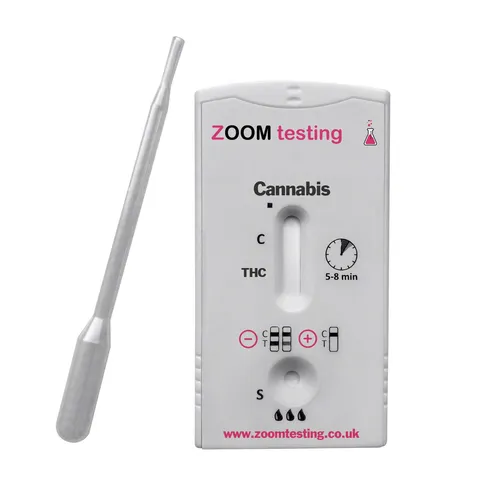
Take Action: Cannabis Drug Test (THC)
For clear, practical testing at home or in the workplace, our Cannabis Drug Test (THC) provides fast and simple THC screening when you need a reliable answer.
What Customers Say
★★★★★
“Very simple and straightforward test to use, just follow the instructions that come with the cannabis test and you will soon see a clear positive or negative test result. Bought this kit as I am applying for jobs where I know that I will be tested for drugs as part of the selection process. My only vice is occasionally smoking weed, however I was certainly concerned that my usage would be enough for me to fail a drug test. The first test I took came back positive. I took this test maybe two and a…”
– Julian R · 22 Jul 2015 · Verified review
★★★★☆
“I used to smoke weed on and off. I was a recreational smoker, generally smoking with mates or whilst hanging out. I decided to give up as I was going through some personal changes, one of which was moving to a new town and a new job. Most of the stuff on the internet shows that it can take up to 30 days for your body to clear itself of all traces of cannabis. I knew that my new job might require me to have a drugs tests so I gave up smoking and started…”
– Kai S · 1 Oct 2015 · Verified review
“Just need to know i have purchases other drug test before and as i smoke.cigarettes it was positive but was it the nicotine or the thc does this test only test for thc and not nicotine as this is what i require. The odd cig here and there isnt as bad as a weed addiction.”
– Chico · 10 Feb 2019
About the Author
Anthony Cunningham – Drug Testing Expert & Editor
Anthony Cunningham, BA (Hons), MA, is a UK-based drug testing expert and editor with over 20 years’ experience running Zoom Testing, a trusted source for accurate drug testing kits and testing guidance. He creates clear, evidence-based articles using UK legislation, workplace compliance standards and harm reduction best practices. Where possible, content is reviewed by testing specialists and compliance professionals to enhance accuracy and reliability, helping readers make informed testing decisions.