
About This Article
Zoom Testing has supplied drug testing kits to UK customers for nearly 20 years. This guide draws on our experience helping thousands of people understand drug testing, workplace compliance, and current drug trends affecting UK employers. Always follow current UK legislation regarding drug testing.
Published: December 12, 2025 | Last Updated: December 12, 2025 | By Anthony Cunningham
Welcome to our weekly roundup of UK drug news and workplace safety insights. Each week, we monitor drug-related developments across Britain and translate them into practical information for employers, HR professionals, and workplace safety managers. This week’s digest covers emerging synthetic opioids claiming lives in London, new ONS data on persistent drug use rates, and what these trends mean for workplace drug testing programmes.
From Camden’s deadly cychlorphine outbreak to concerning cannabis impairment studies, this week brought sobering reminders of why staying informed matters. Here’s what UK employers need to know.
Contents
A New Threat: Cychlorphine Claims Three Lives in North London
The most alarming development came from Camden, where three people died within days after using cychlorphine, a synthetic opioid estimated to be 200 times stronger than heroin. The Evening Standard described the situation as staring into the abyss, noting the substance is thought to be 100 times more potent than heroin.
What’s particularly concerning for employers is the delay in warning frontline services about this threat. When substances this powerful enter the drug supply, they create immediate safety risks. These aren’t just concerns for users, but for anyone working in environments where impaired judgment or coordination could prove catastrophic. Traditional urine drug testing may not detect these novel synthetic opioids. This highlights the importance of staying informed about emerging substances and understanding what opioids are and how they affect users.
The Numbers Tell a Story of Persistence
The Office for National Statistics released its annual drug misuse data for England and Wales. The figures reveal that 8.7% of people aged 16-59 (roughly 2.9 million) reported using drugs in the past year. While there’s been no significant change from last year, the figure for 16-24 year olds sits at 15.1%. Your newest employees are statistically most likely to be current users.
The Department of Health also published prevalence estimates showing 310,718 people in England using opiates and/or crack cocaine between April 2022 and March 2023. These aren’t abstract statistics. They represent individuals who may be seeking employment or currently in your workforce.
Ketamine’s Grip on Young Lives
ITV released a documentary examining the ketamine crisis destroying young lives. It provides a sobering look at how ketamine addiction impacts families. The timing is significant given that scientists in Northern Ireland found the drug in waterways across the region. Cocaine and ketamine appeared in 91% of samples taken from major lakes and rivers including Lough Neagh.
When substances become this prevalent in the environment, it reflects widespread community use. For employers, this translates to increased likelihood of workplace impairment. Ketamine’s dissociative effects can persist well beyond immediate intoxication, creating ongoing safety concerns.
Prison Reality Check
The admission from an HMP High Down prisoner that it’s easier to get drugs than sugar inside the facility should give employers pause. If substances can penetrate a high-security environment that thoroughly, how much more accessible are they in less controlled settings?
The coroner called for action following a prisoner’s death, highlighting that even custodial settings struggle with drug control. It’s a reminder that workplace prevention requires constant vigilance rather than one-off interventions.
The Over-the-Counter Danger
Sometimes the most serious risks come from unexpected places. A Belfast man’s story of over-the-counter medication addiction serves as a warning. Michael Main’s 12-year addiction to ibuprofen and codeine products resulted in hospital operations including removal of part of his bowel. Dr Joy Watson, a consultant addiction psychiatrist, confirmed that addiction to over-the-counter drugs is an increasing problem in Northern Ireland.
For workplace health programmes, this highlights an often-overlooked category. Employees may not consider over-the-counter medications as “drugs” worth disclosing, yet they can cause significant impairment and health complications.
Cannabis and the Roads
Multiple reports this week focused on cannabis-related driving risks. Research from the University of Saskatchewan found that more than 75% of cannabis users crashed in driving simulations after consuming edibles. Another study suggested prevention campaigns shouldn’t focus just on young people, as older adults also show increased crash risk.
Given that cannabis can remain detectable for extended periods, employers in safety-critical industries need clear policies. Understanding how long cannabis stays in your system is essential for developing effective workplace testing policies that address both on-duty impairment and off-duty use that could affect workplace performance.
Progress in Treatment and Policy
Not everything this week was bleak. The government released a framework for co-occurring mental health and substance use, setting out how health services should deliver integrated, person-centred care. Queen Mary University of London published research showing that smokers who dual-use cigarettes and e-cigarettes are more likely to eventually quit than those who smoke only, challenging assumptions about vaping.
Scotland’s evaluation of its residential rehabilitation programme showed efforts to improve access to substance use treatment. Research suggested that New York’s medical cannabis programme significantly reduced chronic pain patients’ reliance on prescription opioids.
What This Means for Employers
The through-line in this week’s news is complexity. Cychlorphine represents emerging synthetic threats that standard tests may miss. ONS data confirms drug use remains stable rather than declining. Ketamine, cannabis, and over-the-counter medications all present distinct challenges requiring different approaches.
Effective workplace drug policies can’t be static documents gathering dust in filing cabinets. They need to reflect current realities: new substances appearing on streets, persistent use rates across demographics, and the understanding that addiction often coexists with mental health conditions requiring integrated support.
The prison comparison is instructive. If total prohibition fails even in controlled environments, workplace approaches must focus on detection, intervention, and support rather than assuming prevention alone will succeed. Regular drug testing, when conducted fairly and with clear policies, provides both deterrence and early identification of problems before they result in incidents.
Key Considerations for Workplace Drug Testing
- Regular policy reviews to address emerging substances and changing use patterns
- Testing panels that detect substances actually circulating in your region
- Clear protocols for over-the-counter medications and prescription drugs
- Support pathways for employees seeking help without automatic termination
- Integration with mental health and wellbeing programmes
For guidance on developing compliant workplace drug testing policies, consult ACAS workplace drug testing resources and ensure alignment with current UK employment law.
Taking Action
If your organisation hasn’t reviewed its drug testing policy recently, this week’s news provides ample justification. Consider whether your current testing panels detect the substances actually circulating in your region. Evaluate whether your policy addresses over-the-counter medications and prescription drugs, not just illegal substances. Ensure your approach includes pathways for employees to seek help.
What Our Customers Say
“I bought these to test my PCV Drivers and they worked very good. Delivery was very fast and they were very quick at replying to any queries when e-mailed. Will be using them again in the future if needed and are highly recommended.”
Kayleigh R. – Verified Buyer
“Top quality kits delivered in a timely manner. Also upgraded my order from 7 panel to 10 panel at no extra cost. Highly recommended very professional company.”
Glynis – Verified Buyer
“Super fast efficient and professional and good comms. Thank you.”
Martin W. – Verified Buyer
Take Action Today
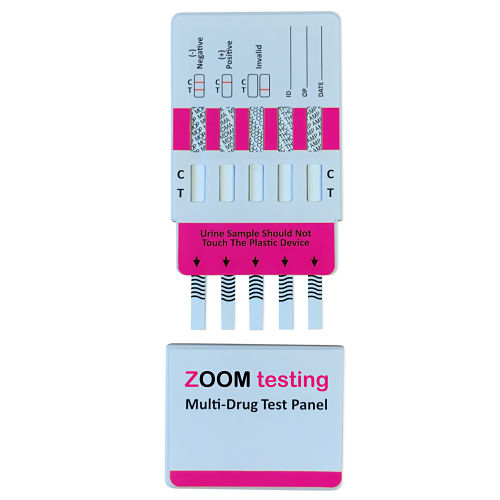
At Zoom Testing, we help UK employers navigate these complexities with reliable drug testing solutions tailored to workplace needs. Whether you need saliva tests for reasonable suspicion situations or comprehensive urine testing panels for pre-employment screening, we provide the tools to maintain safe, productive workplaces.
The question isn’t whether drugs affect workplaces – the statistics confirm they do. The question is whether your organisation has the policies, testing capabilities, and support structures to address the reality effectively. Understanding what happens if employees fail a drug test at work is crucial for developing fair, compliant procedures. This week’s news suggests there’s no time like the present to find out.
About the Author
Anthony Cunningham – Drug Testing Expert & Editor
Anthony Cunningham, BA (Hons), MA, is a UK-based drug testing expert and editor with over 20 years’ experience running Zoom Testing, a trusted source for accurate drug testing kits and testing guidance. He creates clear, evidence-based articles using UK legislation, workplace compliance standards, and harm reduction best practices. Where possible, content is reviewed by testing specialists and compliance professionals to enhance accuracy and reliability, helping readers make informed testing decisions.