About This Article
Zoom Testing has supplied drug testing kits to UK customers for nearly 20 years. This guide draws on our experience helping thousands of people understand drug testing, workplace compliance, and synthetic cannabinoids like Spice. Always follow current UK legislation regarding drug testing.
Published: June 22, 2024 | Last Updated: December 11, 2025 | By Anthony Cunningham
Contents
They are referred to as “spice zombies” in the British tabloids. Users having “fake weed” overdoses are making the headlines in the US. Elsewhere, users are taking “legal highs” too far. Users are rushed to the emergency after they have collapsed or have fallen into a stupor. The numbers usually have a sharp upturn for a few days. So what kind of drug is causing this? It is synthetic cannabinoids, which are chemicals that affect the same brain receptors as cannabis. However, these drugs are more addictive and potent.
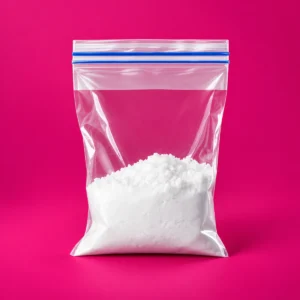
China is the main production centre, where the drugs are produced and shipped in powders, which are then sprayed onto dried plants and then smoked. In Britain, the name given to these drugs is Spice and as 20 Police Commissioners across the country state that this drug is one of the most dire public-health problems facing the country over the past decade. Use of the drug is spreading to nearly every city in the UK.
Use of Spice is rife in Britain’s jails, with the drug being smuggled in in various ways, including recently, being soaked into letters for prisoners or by being flown into the prison by drone.
What Makes Spice So Dangerous?
The unpredictability of the impact on the user is what makes spice so dangerous. This is a result of the chemical mixture’s rapid turnover. Synthetic cannabinoids are available in several hundred different kinds and the new ones are easy to make. Chinese authorities have banned the individual chemicals in spice; however, the companies that make the chemicals skirt the bans by altering the chemicals in the product. Even in the same batch, the potency could be very different because the spraying of the chemical could be uneven. Another mistake that resulted in a ten-fold spike in a spice batch that was sold in Manchester last year because there was a missing decimal in the mixing recipe. Because of these variations, the impact of spice could vary dramatically, which only makes the job of police, hospitals and paramedics extremely difficult. Some users display psychosis and paranoia after a hit of spice.
Coming Off Of Spice Is Not Easy
Furthermore, coming off a spice high is more difficult compared to coming off a high from other drugs. Spice addicts don’t see themselves as addicts and most of them think it isn’t as harmful as cannabis. The US, unlike Britain, hasn’t banned all synthetic cannabinoids since some are sold in legal cannabis stores as herbal incense. Outreach workers have to deal with another problem when helping the homeless. Those addicted to heroin usually have 4 – 5 hours of lucid thoughts a day, but with spice, the brain is constantly foggy since addicts tend to chain-smoke spice.
The Hidden Dangers of Spice
While Spice’s unpredictability makes it hazardous, there’s more to the story. Users often don’t realise they’re playing Russian roulette with their health. The drug can trigger severe anxiety, paranoia, and even psychotic episodes. It’s not just your mind at risk – Spice can wreak havoc on your body too. Heart palpitations, seizures, and kidney damage are just a few potential side effects. What’s more, the long-term impacts remain a mystery. We’re only scratching the surface of understanding how these synthetic chemicals affect the brain over time. It’s a gamble that’s simply not worth taking.
Unlike methadone for heroin users, to date, there isn’t a single effective substitute for Spice. Treatment focuses on withdrawal symptoms and concentrates on using medication to ease the pain, psychosis and stomach issues.
At this time, spice isn’t as prevalent as other street drugs. In Britain, from 2017-18, just 0.4% of 16 to 59-year-olds took drugs that were in the same category as spice. In the US, 36% of high-school students took cannabis, while 7% tried spice. Spice has become very prevalent among the homeless in British and American cities. Many of the homeless population might already be addicted to drugs and will try a cheaper drug that makes two days feel like two hours.
UK Legal Status and Workplace Implications
Synthetic cannabinoids are controlled as Class B drugs under the UK Misuse of Drugs Act 1971, placing them in the same category as cannabis and amphetamines. This means possession can result in up to 5 years in prison, while supply or production carries penalties of up to 14 years.
For employers, the presence of Spice in the workplace poses significant challenges. Unlike traditional cannabis, synthetic cannabinoids can cause more severe impairment and unpredictable behaviour. If you’re implementing workplace drug testing, it’s crucial to understand that standard panels may not detect these substances. Many organisations are now including specific Spice testing parameters to address this growing concern.
Spice Is Less Likely To Be Detected By A Drug Test
Spice is also increasing in popularity with people whose freedom or careers are dependent on passing a drug-screening test. Typical drug tests do not identify synthetic cannabinoids; therefore, those in prison, on parole or in the army who were users of heroin, cocaine or cannabis would make the switch to spice to conceal their addiction. However this is a risky strategy as just only recently drug tests for Spice have started to appear on the market as single drug tests for Spice or multi panel drug test kits that include Spice as a test parameter.
Testing For Spice: Your Options
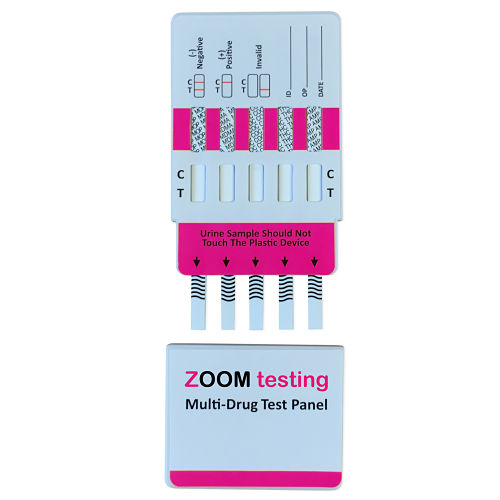
If you’re concerned about Spice use—whether for family members, employees, or compliance purposes—reliable testing kits are now available. Modern multi-panel tests can detect synthetic cannabinoids alongside traditional drugs, giving you comprehensive screening in a single test.
Take Action: Test For Spice Today
Our 10 Panel Drug Test with Spice and Nicotine provides comprehensive screening in one easy-to-use kit. Perfect for employers, parents, or anyone needing reliable results. Detects Spice (K2) plus cocaine, cannabis, opiates, amphetamines, and more.
- Results in 5 minutes
- 99% accurate laboratory-grade testing
- Includes Spice (synthetic cannabinoids) detection
- Discreet UK delivery
What Customers Say
“Easy to use test that arrived very quickly. From a urine sample I was able to test for cannabis and synthetic cannabis. The results were negative. As a parent this was a great relief!”
— Andy B., Verified Customer
“Top quality kits delivered in a timely manner. Also upgraded my order from 7 panel to 10 panel at no extra cost. Highly recommended very professional company.”
— Glynis, Verified Customer
“I wanted to test for a number of drugs at the same time. Being rather bewildered by the wide choice of tests available, I went for this one. Glad I did – very simple to use and results were quick and clear. Recommend.”
— Joseph, Verified Customer
Getting Help and Support
If you or someone you know is struggling with Spice or other substance use, confidential support is available:
- Talk to Frank – Free, confidential drugs advice (phone: 0300 123 6600)
- DrugWise – Independent UK drug information charity
- NHS Help – Contact your GP or call 111 for urgent medical advice
Zoom Testing is a leading UK drug testing company and a supplier of Drug Test Kits.
About the Author
Anthony Cunningham – Drug Testing Expert & Editor
Anthony Cunningham, BA (Hons), MA, is a UK-based drug testing expert and editor with over 20 years’ experience running Zoom Testing, a trusted source for accurate drug testing kits and testing guidance. He creates clear, evidence-based articles using UK legislation, workplace compliance standards, and harm reduction best practices. Where possible, content is reviewed by testing specialists and compliance professionals to enhance accuracy and reliability, helping readers make informed testing decisions.