Published: 13 February 2026 | Last Updated: 13 February 2026 | By Anthony Cunningham
This week’s drug testing industry roundup covers significant developments in UK workplace safety, emerging threats from synthetic opioids, and major policy shifts affecting employers. With nearly 20 years of experience in professional drug testing, we’ve analysed the week’s most important stories to help UK employers stay informed and compliant.
Nitazenes: The Synthetic Opioid Crisis Deepening Across the UK
The biggest story this week – and arguably the most alarming trend in the UK drugs landscape right now – is the continued spread of nitazenes. These highly potent synthetic opioids, which can be many times stronger than heroin, have been linked to hundreds of deaths across the country. The BBC ran two major pieces on the crisis. On Wednesday, inquests revealed the spread of these deadly synthetic drugs, with victims often having no idea what they were actually taking. By Thursday, a Cumbria treatment service reported that a quarter of its clients were being treated for opioid use alone, with workers seeing a dramatic increase in nitazene-related cases.
The BBC News video report highlighted that nitazenes are being smuggled into the UK through the postal system – their extreme potency means they can be concealed in small parcels. The National Crime Agency confirmed that nearly all nitazene deaths were accidental, with Birmingham emerging as a particular hotspot. Records show these substances are being mixed into other drugs as cheap substitutes, meaning users often have no awareness of what they’re consuming.
For employers, this is a workplace safety issue that cannot be ignored. Staff who use recreational drugs may unknowingly be exposed to nitazenes through contaminated supplies. Comprehensive workplace drug testing programmes remain one of the most effective ways to identify substance misuse early. The ACAS guidance on drug and alcohol testing at work provides a solid framework for employers looking to establish or update their testing policies.
Meanwhile, on Tuesday a man died and six others fell ill in Humberside in what police described as suspected overdoses from a contaminated batch of drugs. Investigators are still working to establish whether the incidents are linked, but it underlines how unpredictable the street drug supply has become. For anyone involved in drug checking, these incidents reinforce why testing matters more than ever.
Record Drug Seizures Paint a Complex Picture
The Home Office released its annual seizures of drugs statistics for England and Wales on Thursday, and the numbers are striking. Police forces and Border Force made 269,321 seizures in the financial year ending 2025 – the highest number since records began in 1973. That represents a 24% increase on the previous year, driven by a 14% rise in police seizures and a massive 65% jump in Border Force seizures.
On one hand, record seizures could indicate more effective enforcement. On the other, they may simply reflect a growing supply. Either way, more drugs in circulation means greater potential for workplace exposure. Employers in safety-critical industries such as transport, construction, and healthcare should review their testing procedures. Multi-panel testing kits that screen for a wide range of substances – including newer threats like ketamine and ecstasy – offer the most comprehensive protection. Our guide on comparing 12 vs 18 panel drug test kits can help you decide which level of screening is right for your organisation.
‘Merry Sniffmas’: Inside a 24/7 Cocaine Distribution Network
Eight people were jailed on Monday in connection with a round-the-clock drugs line that marketed cocaine through WhatsApp and Telegram, even running seasonal promotions with messages like “Have a Merry Sniffmas”. It’s a reminder of just how professionally organised drug supply networks have become – operating more like businesses than back-alley operations.
The ease of access to cocaine through digital platforms means workplace exposure is arguably higher than ever. For employers concerned about cocaine in the workplace, regular testing remains essential. A nurse was also struck off after taking drugs including painkillers from an A&E store over a six-month period – a sobering reminder that substance misuse can occur in any professional setting.
Alcohol Deaths Surge in Northern Ireland – and Guilt Isn’t Helping
Northern Ireland’s alcohol-specific deaths have risen by a staggering 81% over the past decade, according to new statistics from NISRA. In 2024, there were 397 deaths caused exclusively by alcohol, up from 219 in 2014. The BBC reported that a rise in alcohol deaths among young people is particularly concerning to medical professionals. The BMA’s Dr Clodagh Corrigan called the figures “alarming” and reiterated the case for minimum unit pricing legislation in Northern Ireland.
Separately, UCL research published on Monday found that one in eight people who drink at increasing or higher-risk levels feel guilt or remorse after drinking. While guilt can sometimes motivate change, it doesn’t appear to be driving meaningful reductions in harmful consumption. For employers, alcohol and drug testing in the professional workplace should form part of a broader wellbeing strategy, not just a compliance exercise.
Public Health Funding and Policy Updates
The Government confirmed that the total public health grant to local authorities for 2026-27 will be £4.404 billion, which includes funding for drug and alcohol services as well as smoking cessation programmes. The written ministerial statement on public health grant allocations confirmed this is a multi-year commitment, supporting services including drug and alcohol prevention, treatment, and recovery.
Collective Voice, the sector umbrella body, published five essential next steps for government action on alcohol and drugs. Meanwhile, parliamentary questions this week covered everything from sentencing for Class B drug possession with intent to supply to mandatory alcohol labelling and the economic impact of lowering the drink driving limit on rural pubs.
Tobacco and Vaping: Bans, Duties and a Landmark Anniversary
Scotland marked 20 years since its smoking ban this week, but University of Stirling researchers warned that tobacco industry interference persists, with the same tactics used two decades ago still being deployed to weaken public health measures.
On the vaping front, the Government announced that vaping could be banned in cars carrying children, as well as in playgrounds and outside schools. A new Vaping Products Duty and Duty Stamps Scheme will come into force from 1 April 2026. And the planned smoke-free generation law – part of the Tobacco and Vapes Bill – could see smoking among young people drop below 5% decades earlier than expected. For employers who include smoking and tobacco testing in their workplace programmes, these regulatory changes are worth monitoring.
Enforcement also continues at street level: thousands of illegal cigarettes were seized from shops across Northamptonshire, while UCL research found that middle-aged women from deprived backgrounds face significantly greater challenges when trying to quit smoking.
Cannabis and Ketamine: Policy Shifts and Celebrity Disclosure
Norwich City Council made headlines by allowing tenants to use medical cannabis in council-owned properties, though officials have been unable to explain how they’ll distinguish between legal medical use and recreational use of the Class B drug. It’s an emerging policy challenge that employers may face too, as cannabis drug testing doesn’t differentiate between prescribed and recreational use.
Meanwhile, former Saturdays singer Frankie Bridge spoke publicly about her experience with ketamine therapy for depression, describing it as “life-changing”. The growing profile of therapeutic ketamine use creates further complexity for employers who need to balance mental health support with workplace safety obligations. Understanding how long ketamine stays in your system is vital when managing these situations.
US research also suggested that cannabis legalisation may lead to a decline in daily opioid use, while a separate study found that legalisation was linked to a rise in recreational cannabis use and co-use of tobacco. These findings from US states continue to shape the UK debate on drug policy reform.
Health Inequalities and the Deprivation Link
A recurring theme across this week’s stories is the role of deprivation. Guardian analysis found that England’s poorest areas have 70% more vape shops and bookmakers than wealthier ones, alongside fewer gyms and childcare facilities. Research from both Oxford University Press and UCL reinforced that economic disadvantage is closely tied to higher rates of addiction and greater difficulty quitting.
For employers operating across multiple sites or regions, this is a reminder that drug and alcohol risks aren’t evenly distributed. Workforces in more deprived areas may benefit from more proactive testing and support programmes.
International Developments Worth Watching
Across the Atlantic, the Trump administration’s drug-targeting operations in the Caribbean resulted in the first American military casualty – a US Marine who fell overboard during a boat-targeting mission. Concerns continue that cuts to harm reduction programmes could stall or reverse the recent decline in US overdose deaths.
New Orleans wastewater surveillance found an increase in new synthetic opioids during major events like the Super Bowl and Mardi Gras, while research from five US cities showed near-universal fentanyl exposure with xylazine in some areas. A King’s College London study suggested that faster blood tests could support safer decision-making in drug-related emergencies.
Benzodiazepine and Opioid Co-use: A Hidden Risk
A blog post from the Drug Research Network Scotland explored the dangers of co-using benzodiazepines and opioids, highlighting findings about how and why people combine substances like diazepam with heroin or methadone. This co-use pattern significantly increases the risk of fatal overdose, and it’s a combination that employers should be aware of when interpreting multi-panel test results.
Key Takeaways for Employers This Week
It’s been a week dominated by the nitazene crisis, record drug seizures, and alarming alcohol death statistics. Here’s what employers should take away:
Review your testing scope. With contaminated drugs putting even casual users at risk of accidental overdose, comprehensive multi-panel testing that covers opioids, ecstasy, ketamine, and benzodiazepines is more important than ever.
Update your drug policy. Medical cannabis use by employees and therapeutic ketamine are creating grey areas that workplace policies need to address. The ACAS workplace guidance is a good starting point.
Don’t overlook alcohol. With an 81% rise in alcohol-specific deaths in Northern Ireland over a decade, alcohol remains the substance causing the most widespread workplace harm across the UK.
Consider your workforce demographics. Deprivation-linked research this week reinforces that drug and alcohol risks vary by region and demographic. Tailor your approach accordingly.
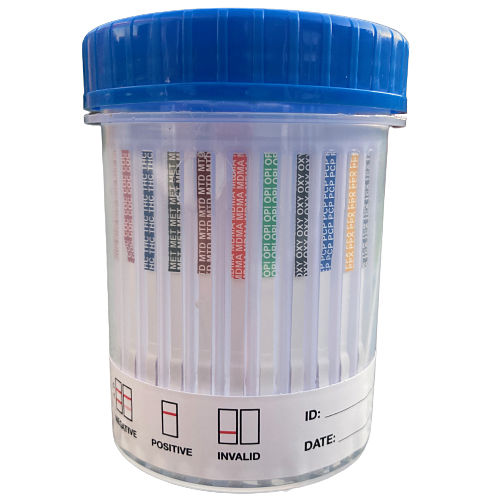
Take Action: Comprehensive 18-Panel Drug Testing
Screen for 18 substances in one simple test – including ecstasy and ketamine. Our 18 Panel Drug Test with Integrated Cup delivers fast, accurate results for the widest possible workplace coverage.
What Customers Say
“I was really pleased to find this as I needed a comprehensive drug test kit and this is the biggest one that I could find. Price was very reasonable and the test arrived quickly. I found it to be an easy to use product with clear instructions. Results were quick and simple to interpret.”
– Jason
“Thank you to the team at Zoom Testing for advice before buying this drug test kit, I was looking for something that was easy to use and gave accurate results, in line with any workplace drug test. This kit did both and I was pleased to receive it within 24 hours of ordering. Using the test gave me great peace of mind, and I went from stressed to relaxed in just one day!”
– Jore
“Great value for money and received next day.”
– Louie
About the Author
Anthony Cunningham – Drug Testing Expert & Editor
Anthony Cunningham, BA (Hons), MA, is a UK-based drug testing expert and editor with over 20 years’ experience running Zoom Testing, a trusted source for accurate drug testing kits and testing guidance. He creates clear, evidence-based articles using UK legislation, workplace compliance standards, and harm reduction best practices. Where possible, content is reviewed by testing specialists and compliance professionals to enhance accuracy and reliability, helping readers make informed testing decisions.