
Published: 9 January 2026 | Last Updated: 9 January 2026 | By Anthony Cunningham
This week’s drug testing industry roundup covers significant developments in UK workplace safety, emerging threats from synthetic opioids, and major policy shifts affecting employers. With nearly 20 years of experience in professional drug testing, we’ve analysed the week’s most important stories to help UK employers stay informed and compliant.
Nitazenes Emerge as ‘Deadliest Drug’ on UK Streets
A senior Northern Ireland coroner has issued a stark warning about nitazenes, describing them as having “no known side effects other than death.” The alarm follows an inquest into the death of Michael Maguire from Dungannon, who died in December 2024 after taking a cocktail of five drugs including the synthetic opioid. The coroner told UTV that nitazenes represent a level of strength and danger previously unseen in the region.
For employers, this development underscores the critical importance of comprehensive multi-drug testing programmes. Synthetic opioids can be significantly more potent than traditional substances, making early detection essential for workplace safety.
Ketamine-Related School Exclusions Surge in Halton
Schools in Halton have reported a dramatic increase in ketamine-related incidents, with 24 students suspended and 12 permanently excluded during the 2024/25 academic year. This represents a sharp rise from the previous year, when only one student was suspended and two excluded for ketamine-related issues.
The surge reflects broader concerns about ketamine use among young people. Understanding detection windows for ketamine becomes crucial for organisations working with youth populations.
Government Proposes Major Drink-Drive Limit Changes
The Department for Transport has announced its first road safety strategy in over a decade, including plans to consult on lowering the drink-drive limit in England and Wales. The current limit has remained unchanged since 1967 and is now the highest in Europe. The government strategy aims to reduce road deaths and serious injuries by 65% by 2035.
One in six road fatalities in 2023 involved drink-driving. The consultation will also explore alcohol interlock devices and new powers to suspend driving licences for those suspected of drink or drug driving offences. For employers with vehicle fleets or drivers, these changes could have significant implications for roadside testing protocols and workplace policies.
Schools Describe Vaping as ‘Public Health Emergency’
Schools across the UK are facing what education leaders describe as a “public health emergency” with vaping. Challenges include teenagers hospitalised, thousands of pounds spent on e-cigarette detectors, and addicted students hiding in toilets to vape. The BBC reports schools want help in what they call a “lonely battle” against vapes.
Meanwhile, a survey from the Portman Group shows that 53% of UK adults consume 14 units of alcohol or less per week, with a third not drinking at all. The YouGov survey found continuing demand for low and no-alcohol alternatives, with only 11% exceeding Chief Medical Officer guidelines.
Families Warn of Cannabis Factory Dangers After Tragedy
The parents of a seven-year-old boy killed in a house explosion are working with local authorities to warn about the dangers of cannabis manufacturing. The tragedy highlights the risks associated with illegal cannabis production facilities, which can pose serious threats to neighbouring properties and communities.
For landlords and property managers, understanding the signs of cannabis cultivation and having appropriate testing protocols can help protect properties and tenants.
Innovation in Addiction Treatment
A Worthing-based charity has reported success with an unusual approach to treating alcoholism. Turning Tides uses a programme that gradually reduces alcohol intake under clinical supervision, with participants saying it has helped them transform their lives. The medically-supervised approach reportedly leads to better outcomes than traditional abstinence-only methods.
Additionally, research from the United States has found that longer treatment with medications for opioid use disorder significantly improves survival rates. A study of over 32,000 US veterans showed benefits continuing for at least four years of ongoing treatment, considerably longer than most patients currently remain in programmes.
Practical Implications for UK Employers
This week’s developments highlight several key considerations for workplace drug testing programmes:
The emergence of synthetic opioids like nitazenes demonstrates why comprehensive testing panels are essential. Traditional single-drug tests may miss these newer, more dangerous substances. Employers should review their testing protocols to ensure adequate coverage of emerging threats.
With drink-drive limits likely to change for the first time in nearly 60 years, organisations with driving-related roles need to stay ahead of regulatory changes. The proposed consultation on licence suspension powers for suspected offenders could affect how employers handle suspected substance misuse.
According to official guidance on workplace testing, employers must balance safety requirements with employee rights. Any testing programme should be part of a clear, written policy that employees understand and agree to.
Looking Ahead
The drug testing landscape continues to evolve rapidly. From synthetic opioids posing unprecedented dangers to regulatory changes affecting drivers and the ongoing youth vaping crisis, employers face an increasingly complex environment. Staying informed about these developments and maintaining robust, comprehensive testing protocols has never been more important for workplace safety.
Professional multi-drug testing solutions provide the comprehensive coverage needed to address both traditional and emerging substance threats. With accurate, reliable testing, UK employers can maintain safe workplaces while supporting employees who may need help.
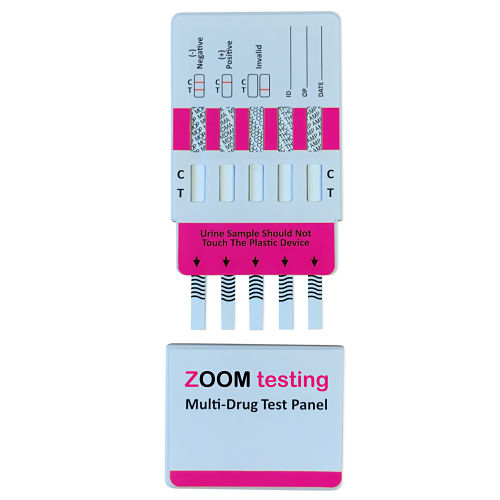
Take Action: Professional Multi-Drug Testing
Ensure workplace safety with our comprehensive multi-drug dip cards. Fast, accurate results you can trust.
What Customers Say
“I bought these to test my PCV Drivers and they worked very good. Delivery was very fast and they were very quick at replying to any queries when e-mailed. Will be using them again in the future if needed and are highly recommended.”
– Kayleigh R
“I was really pleased to find this as I needed a comprehensive drug test kit and this is the biggest one that I could find. Price was very reasonable and the test arrived quickly. I found it to be an easy to use product with clear instructions. Results were quick and simple to interpret.”
– Jason
“Top quality kits delivered in a timely manner. Also upgraded my order from 7 panel to 10 panel at no extra cost. Highly recommended very professional company.”
– Glynis
About the Author
Anthony Cunningham – Drug Testing Expert & Editor
Anthony Cunningham, BA (Hons), MA, is a UK-based drug testing expert and editor with over 20 years’ experience running Zoom Testing, a trusted source for accurate drug testing kits and testing guidance. He creates clear, evidence-based articles using UK legislation, workplace compliance standards, and harm reduction best practices. Where possible, content is reviewed by testing specialists and compliance professionals to enhance accuracy and reliability, helping readers make informed testing decisions.
You May Also Like: