
About This Article: Zoom Testing has supplied drug testing kits to UK customers for nearly 20 years. This guide draws on our experience helping thousands of people understand drug testing methods, workplace compliance, and cocaine detection. Always follow current UK legislation regarding drug testing.
There are various types of cocaine drug testing kits. In this article we explore the pros and cons of the various tests that you can buy from UK drug testing companies. Understanding which testing method suits your needs—whether for workplace compliance, personal peace of mind, or legal requirements—is essential for getting accurate, timely results.
Even if you only use cocaine once, traces can remain in your system for as long as 90 days, depending on the type of testing being employed. The most commonly used method is urine testing, as it is the least expensive. This particular testing method is used by everyone from schools and employers, all the way up the court system. Not only is urine testing relatively inexpensive, it also delivers results of recent cocaine use quickly and accurately.
Cocaine is often viewed as the drug of choice for the rich and famous, but its use is becoming more prevalent in all classes. In Britain alone, 2% of the population regularly use cocaine, which is about the same level as in the US.
Contents
Effects of Cocaine and Crack Cocaine
The dose and how quickly the cocaine enters the brain are what determines intensity.
When cocaine is snorted, it reaches the brain in about 3–5 minutes. Intravenously injecting the substance cuts that time down to between 15 and 30 seconds, whereas smoking delivers an experience that is almost immediate. The trade-off comes in the length of the high, with faster absorption leading to a shorter high time. For example, smoking delivers a 5–10 minute high, while snorting will keep a user high for 15–30 minutes.
The after effects of the high is known as a “coke crash” and can include symptoms such as tiredness, irritability and depression. Frequent doses need to be taken if withdrawal is to be avoided.
Paranoia is a common side effect that comes with long-term use of cocaine at a high dosage. When smoking crack cocaine, that paranoia can quickly turn aggressive. Depression is common among addicted cocaine users who kick the habit. The mucous membrane of the nose can become negatively affected with prolonged snorting.
The Psychological Impact of Cocaine Use
Cocaine doesn’t just affect the body—it rewires your brain’s reward system. Each use can create powerful psychological dependencies that extend far beyond the immediate high. Users often experience intense cravings that override rational thinking, making addiction a complex psychological battle. The drug’s impact on dopamine levels can fundamentally alter mood regulation, leading to significant mental health challenges. What might start as occasional recreational use can quickly transform into a destructive cycle of psychological and physiological dependence, trapping individuals in a dangerous pattern that’s incredibly difficult to break.
Support Available: If you or someone you know is struggling with cocaine use, organisations like Talk to Frank and Release provide free, confidential support and harm reduction guidance across the UK.
The History of Cocaine
Cocaine is a stimulant drug derived from the coca plant native to South America. Indigenous peoples in the Andean region have chewed coca leaves for centuries for their mild stimulant effects.
Pure cocaine was first isolated in the mid-19th century. In 1859, German chemist Albert Niemann isolated cocaine from coca leaves. In the late 19th century, cocaine emerged as a popular ingredient in tonics, elixirs, wines, and “medicines” touted to cure a variety of ailments. Famous psychoanalyst Sigmund Freud praised cocaine for its perceived benefits and even wrote a paper called “Über Coca” in 1884.
The addictive nature of cocaine soon became apparent. In the early 20th century, many Western countries banned the sale of products containing cocaine. However, cocaine remained popular as an illicit recreational drug through the 1970s. Usage declined in the 1980s as the harmful effects of the drug became more widely known. Understanding this history helps contextualise modern workplace cocaine testing requirements and public health responses.
The Rise of Crack Cocaine
In the 1970s and 1980s, a smokable form of cocaine emerged called “crack” or “rock” cocaine. Crack offered a faster, more intense high than snorting powdered cocaine. However, the effects of smoking crack only last 5–10 minutes, leading to compulsive re-dosing and addiction.
Crack cocaine wreaked havoc in cities across the United States in the 1980s and 1990s. The crack epidemic hit poor, predominantly African American urban neighbourhoods the hardest. At the peak of the crack epidemic in the late 1980s, over 1 million Americans were addicted to crack cocaine.
In 1986, the US Congress passed the Anti-Drug Abuse Act, which instituted harsh mandatory minimum sentences for crack possession and dealing. Critics argued the crack sentencing disparity unfairly targeted African Americans. The Fair Sentencing Act of 2010 reduced the sentencing disparity between crack and powder cocaine possession from 100:1 to 18:1.
Health Effects of Cocaine
Cocaine is an extremely addictive substance that can cause both short-term and long-term health effects:
Short-Term Effects
- Euphoria, extreme energy and hyper-stimulation
- Increased heart rate, body temperature and blood pressure
- Reduced appetite and sleep
- Paranoia, erratic behaviour, aggression
- Heart attacks, strokes, seizures
Long-Term Effects
- Loss of sense of smell, nosebleeds, nasal damage from snorting
- Weight loss, malnutrition
- Liver, kidney, lung damage
- Increased risk of contracting HIV/AIDS and other diseases from needle sharing
- Auditory and tactile hallucinations
- Sexual dysfunction, reproductive damage
- Movement disorders, difficulty walking
- Alzheimer’s-like cognitive impairment
Cocaine Drug Testing: Which Method?
Testing for cocaine use is usually done in one of three ways: urine, saliva and hair. Using those methods, cocaine can be detected for periods of 1–3 days, 12–48 hours and up to 90 days respectively. Your choice of method depends on your testing context, budget, and detection window requirements.
Quick Comparison: Testing Methods
- Urine: Most affordable, detects 1–3 days (up to 7–10 for heavy users), used in most workplace settings
- Saliva: Mid-range cost, detects 12–48 hours, less invasive, emerging in workplace use
- Hair: Most expensive, detects up to 90 days, best for detecting historical use
Urine Testing for Cocaine
Urine Testing: Pros and Cons
Advantages
- The most affordable of all the methods
- Tests can be administered at home
- Quick and easy to perform
- Results available within 5 minutes
- Cocaine detection for up to a week, or longer depending on how often the individual has been using
Limitations
- An intrusive testing method
- Only detects recent cocaine use, not long-term or historical use
- Urine is easy to adulterate or substitute to produce false negatives
- Other substances in the urine can affect test performance
Urine drug testing is the most common method for detecting cocaine use across UK workplaces, schools and law enforcement. Cocaine metabolites can be detected in urine for 1–3 days after last use for most users. Heavy users may have cocaine metabolites detectable in urine for 7–10 days or longer.
How Urine Cocaine Tests Work
Urine cocaine tests work by detecting the cocaine metabolites benzoylecgonine and ecgonine methyl ester. Most urine drug tests have a cutoff level of 300 ng/mL for a positive cocaine test. This means a urine sample must contain at least 300 nanograms per milliliter of benzoylecgonine and/or ecgonine methyl ester to test positive for cocaine. Understanding drug test cut-off levels for cocaine is important for both employers and individuals.
Step-by-Step Guide to Administering a Urine Cocaine Test
- Collect urine sample: The test subject provides a fresh urine sample into a clean specimen cup, minimum 45mL.
- Transfer sample: Using the provided dropper, the tester transfers urine from the specimen cup into the sample well on the test cassette. Enough urine (2–3 drops) must be transferred to contact the reagent strip inside the well.
- Wait for results: The tester waits 5 minutes as the urine travels up the reagent strip inside the cassette.
- Read the result: At the end of 5 minutes, the tester checks the indication window next to the “C” (cocaine) line.
Understanding Your Urine Test Results
- One red line (at control line only): Negative for cocaine. The test line did not detect cocaine metabolites above 300 ng/mL.
- Two red lines: Positive for cocaine. Both the control line and test line are visible, indicating cocaine metabolite levels exceeded 300 ng/mL.
- No lines, or a test line without a control line: The test is invalid and should be re-run with a new cassette.
Proper interpretation of the urine cocaine test results requires training and an understanding of the testing limitations. False positive results, though rare, can occur due to cross-reactivity or sample contamination. Other substances in the urine can also affect test performance. Valid negative results require the subject to abstain from cocaine use for at least 1–3 days before testing.
Looking to understand the optimal timing for taking a urine drug test for cocaine? Knowing when to test can significantly improve detection accuracy.
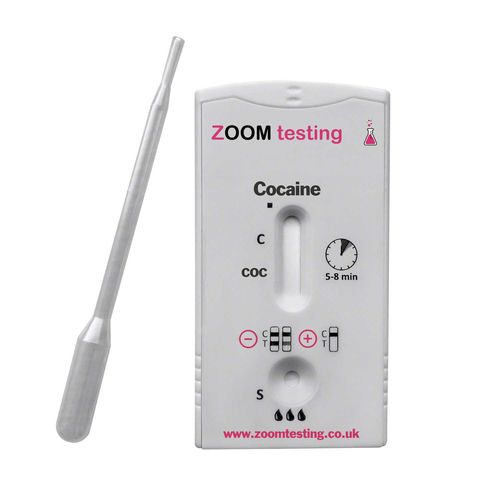
Ready to Test? Our urine cocaine test kits deliver results in 5 minutes with 99% accuracy. Available for single tests or bulk orders.
Saliva Testing for Cocaine
Saliva Testing: Pros and Cons
Advantages
- Considered to be one of the more non-intrusive testing methods
- Less expensive than hair and blood testing (though more than urine)
- Detects cocaine use during the past 12–48 hours
- Better at detecting recent use than urine or hair methods
- Rapid turnaround time with results in 5–10 minutes
- Testing method becoming more prevalent in UK workplaces
Limitations
- Slightly more expensive than urine testing
- Shorter detection window than hair testing
- Perhaps not the best method when trying to make a legal case. This is due to the fact that no nationally accepted standards exist, nor a cut-off concentration for detection, which often mean results will be dependent upon the specific product used.
- Saliva is easy to adulterate to produce false negatives
How Saliva Cocaine Tests Work
Saliva drug testing is an emerging method to detect recent cocaine use. Cocaine and its metabolites can be detected in saliva for 12–48 hours after last use. Saliva testing is better at detecting very recent cocaine use compared to urine testing.
Saliva cocaine tests work by detecting the presence of the parent drug itself, not metabolites as in urine tests. Most saliva cocaine tests have a cutoff level of 20–50 ng/mL. This means a saliva sample must contain at least 20–50 nanograms per milliliter of cocaine for a positive test result.
Step-by-Step Guide to Administering a Saliva Cocaine Test
- Prepare for collection: The test subject rinses mouth with water 10 minutes before test. No food or other objects should be in mouth.
- Collect sample: The tester or subject gently rubs the collection pad on the inside of the cheek and under the tongue to collect saliva. Enough saliva is needed to activate the indicators on the collection pad.
- Insert into cassette: The collection pad is inserted into the test cassette. The tester times 5 minutes.
- Read the result: At 5 minutes, the tester checks the indication window next to the “C” (cocaine) line.
Understanding Your Saliva Test Results
- One red line (at control line only): Negative for cocaine. Cocaine was not detected above the cutoff.
- Two red lines: Positive for cocaine. Cocaine exceeded the cutoff level.
- No lines or a test line without a control line: An invalid result. Proper saliva collection technique is important to get an adequate sample.
Proper saliva collection technique is important to get an adequate sample. Food, blood, or other contaminants can affect results. Saliva cocaine tests are qualitative, giving a positive or negative result only. Quantitative confirmation requires laboratory analysis.
Saliva tests are increasingly used in workplace drug screening programs. For more information on workplace testing procedures, visit ACAS (Advisory, Conciliation and Arbitration Service), which provides guidance on UK workplace drug testing compliance.
Hair Testing for Cocaine
Hair Testing: Pros and Cons
Advantages
- One of the most non-intrusive testing methods
- Able to detect traces of cocaine over longer periods (up to 90 days)
- Brief breaks from cocaine use will not affect the results
- Excellent for detecting historical use over several months
- Can use a single strand of hair
Limitations
- Far and away the most expensive testing method
- Use within the past week is not usually detected
- The amount of hair required for testing needs to be about 1.5 inches long and pencil diameter
- Requires laboratory analysis (not a rapid point-of-use test)
- Results typically take several days to a week
Hair testing is the gold standard for detecting historical cocaine use. Because cocaine is incorporated into hair as it grows, hair tests can provide a comprehensive picture of drug use over a longer period. Hair testing is often used in legal proceedings, child custody cases, and comprehensive workplace drug screening programmes. For more information on drug detection timeframes, see how long cocaine stays in your system.
What Customers Say
Over 20 years, Zoom Testing has earned the trust of thousands of customers across the UK. Here’s what real customers have to say about our cocaine drug test kits:
★★★★★ 5 out of 5 stars
“Excellent service, great product and great fast delivery. I would highly recommend.”
— Ian F. (Verified Buyer)
★★★★★ 5 out of 5 stars
“Very speedy discreet service. An excellent company to buy from. Thank you once again.”
— Julie (Verified Buyer)
★★★★★ 5 out of 5 stars
“Tests are absolutely perfect, work instantly. They are every bit as good as the police roadside tests.”
— Anonymous (Verified Buyer)
Find the Right Test for Your Needs
Whether you need rapid point-of-use testing or comprehensive historical analysis, Zoom Testing supplies accurate, reliable cocaine drug test kits to individuals and organisations across the UK. All our tests are CE-marked and meet international quality standards.
About the Author
Anthony Cunningham – Drug Testing Expert & Editor
Anthony Cunningham, BA (Hons), MA, is a UK-based drug testing expert and editor with over 20 years’ experience running Zoom Testing, a trusted source for accurate drug testing kits and testing guidance. He creates clear, evidence-based articles using UK legislation, workplace compliance standards, and harm reduction best practices. Where possible, content is reviewed by testing specialists and compliance professionals to enhance accuracy and reliability, helping readers make informed testing decisions.
Originally published: 2015 | Last updated: November 2025
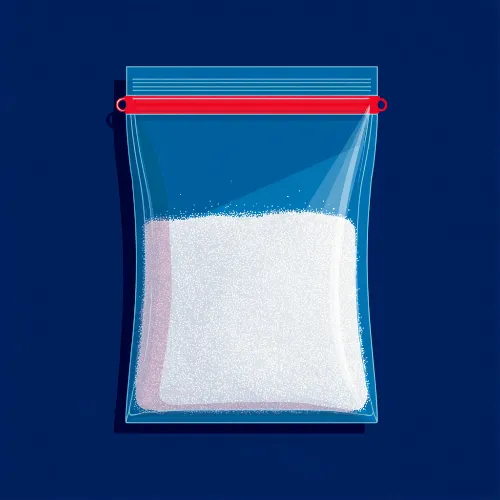
Photo: “Cocaine Bag” by Zoom Testing
You May Also Like
- Drug Test Cut-off Levels for Cocaine – Understanding detection thresholds and accuracy standards
- How to Test for Cocaine in the Workplace – Compliance guidance for employers
- How Long Does Cocaine Stay In Your System? – Detection windows by test method
- What Are Cocaine and Crack? – Understanding the drug and its forms
- Benzoylecgonine Drug Testing – Detailed breakdown of cocaine metabolites


© Zoom Testing 2025. All rights reserved. | Visit Zoom Testing