About This Article
Zoom Testing has supplied drug testing kits to UK customers for nearly 20 years. This guide draws on our experience helping thousands of people understand drug testing methods, workplace compliance, and substance detection. Always follow current UK legislation regarding drug testing.
Published: February 3, 2022 | Last Updated: January 3, 2026 | By Anthony Cunningham
Contents
Substance abuse continues to be a major issue impacting workplaces and society. Drug and alcohol testing is often implemented by organisations to detect illicit substance use. There are several common methods used for testing, each with their own advantages and ideal detection windows.
Blood Testing
Blood testing is considered one of the best ways to check for precise blood alcohol concentration levels and actual amounts of drugs present. As blood samples can detect drug metabolites, blood tests can provide an accurate picture of intoxication levels and recent usage. This makes blood testing ideal when accuracy is critical.
Blood tests give the actual drug levels. They are particularly indicated in emergency situations or where legal evidence may be required. However, they are invasive and require specially trained staff to take them. Blood tests detect most substances within minutes to hours after usage, thus offering an excellent assay of current levels of impairment. On the other hand, they are relatively ineffective in establishing a pattern of long-term substance use.
Detection Windows for Blood Testing
Blood tests typically detect substances for the shortest time compared to other methods. Most drugs are detectable for 12-24 hours, though alcohol can be detected for up to 12 hours. Cannabis may be detectable for up to 2-7 days in regular users. This narrow window makes blood testing most useful for assessing current impairment rather than historical use.
Breath Testing
Breath testing is a common technique used by law enforcement to check drivers for alcohol impairment. Breathalysers analyse exhaled breath and vapour to estimate blood alcohol levels. Breath testing is non-invasive and allows for convenient roadside screening. Recommended breathalysers include the AL6000 Alcohol Breathalyser, AL7000 Alcohol Breathalyser and the Alcohol Breath Test — EU Disposable Breathalyser.
Breath tests are quick, non-invasive, and thus popular for roadside alcohol checks. It measures alcohol content in exhaled air, which correlates with blood alcohol levels. Primarily used for alcohol testing; however some high-end devices can detect traces of some drugs. Breath tests are inexpensive, produce instant results, but are limited only to some few substances with several factors interfering with their accuracy.
UK Workplace Applications
According to ACAS guidance on workplace drug and alcohol testing, breath testing can be used in safety-critical roles where immediate impairment assessment is necessary. Employers must have clear policies and obtain consent before testing.
Hair Testing
Hair testing looks for drug residues that get absorbed into the blood vessels of the scalp. As substances become trapped within the hair, hair testing can detect longer historical drug use. Hair testing is useful when trying to determine if someone has used drugs like cannabis and cocaine over recent months.
Hair tests indicate the pattern of substance use over several months. They are difficult to cheat, and they detect a variety of drugs. Each half-inch of hair corresponds to about 30 days of history. This test is exemplary for pre-employment screening or when requiring proof of long-term sobriety. However, it won’t indicate very recent use and is susceptible to hair treatments and outside contamination.
Detection Windows for Hair Testing
Hair testing provides the longest detection window of any testing method. Standard hair tests can detect drug use for up to 90 days (approximately 3 months), making them particularly valuable for workplace drug testing programmes and pre-employment screening.
Saliva Testing
Saliva drug testing examines saliva to detect very recent drug use. It is minimally invasive but limited to a short detection window of around 4-10 hours. Recommended saliva tests include the 3 in 1 Saliva Drug Test and 10 Panel Saliva Drug Testing Kit from Zoom Testing.
Saliva tests are gaining in popularity as a method of testing because they are easy to use and can detect very recent use of drugs. They are tamper-proof, on-site, and thereby harder to manipulate than urine tests. They are less invasive than blood tests and more accurate for many substances than breath tests. On the other hand, they are especially useful in workplace testing scenarios when current impairment is of primary concern.
Saliva Testing and UK Standards
The United Nations Office on Drugs and Crime (UNODC) guidelines recognise oral fluid testing as a reliable method for detecting recent drug use, particularly valuable in roadside testing and workplace screening scenarios.
Urine Testing
Urine drug screening is one of the most common methods. Urine contains high concentrations of parent drugs and metabolites, allowing for detection of substance use. Urine collection is non-invasive, employing a simple “pee-in-a-cup” approach. Recommended urine drug tests are the Single Drug Tests for Cannabis and Cocaine from Zoom Testing, the 10 Panel Drug Screen — UK Workplace Standard and the 10 Panel Drug Test with Integrated Cup.
Urine tests are the most popular due to the wide detection range involved and non-invasive nature. This detects not only parent drugs but also their metabolites, thus providing full information about recent use of substances. These are cost-effective tests, wherein most substances have a longer window of detection compared to blood or saliva tests. However, they’re more susceptible to tampering attempts and can’t determine current impairment levels as accurately.
Detection Windows for Urine Testing
Urine testing offers moderate detection windows that vary by substance. Cannabis can be detected for 3-30 days depending on usage frequency. Cocaine typically shows for 2-4 days, whilst amphetamines remain detectable for 1-3 days. Opioids generally appear for 2-4 days after use.
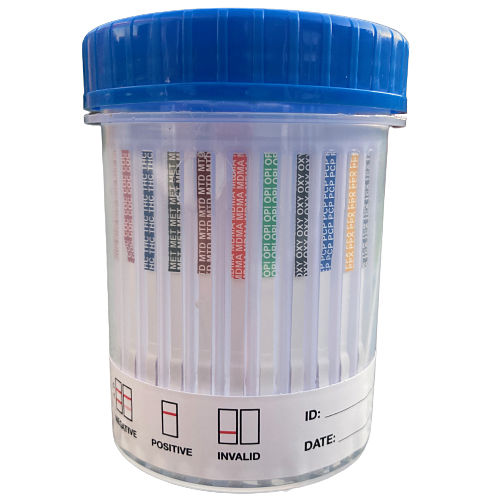
Comprehensive Multi-Panel Testing
For organisations requiring comprehensive screening, the 18 Panel Drug Test with Integrated Cup detects a wide range of substances including Ecstasy and Ketamine. This all-in-one testing solution is ideal for workplace programmes, offering reliable results with built-in temperature strip and adulterant checks.
Learn more about choosing the right panel size in our guide: Comparing the 12 vs 18 Panel Drug Test Kits.
Factors Affecting Test Accuracy
You might wonder why different testing methods sometimes yield varying results. Environmental conditions, individual metabolism, and proper sample handling all play crucial roles in determining accuracy. Take temperature, for instance – did you know that storing urine samples above room temperature can break down certain drug metabolites? Even something as simple as drinking lots of water before a test can impact concentration levels.
But here’s the thing: no single test is foolproof. That’s why many organisations now use a two-step approach. They’ll start with a quick screening method, like saliva testing, then confirm positive results with more accurate blood or urine analysis. Smart move, right?
Time also plays a tricky role. Let’s say you’re testing someone who used cannabis last weekend – a urine test might catch it, but a breath test won’t stand a chance. That’s why it’s crucial to match the testing method with your specific needs and timing requirements.
Understanding Test Results and Next Steps
If you’re concerned about what happens if you fail a drug test at work, it’s important to understand UK employment law and your rights. Employers must follow fair procedures and have clear policies in place before implementing any testing programme.
In summary, testing method choice depends on factors like accuracy needs, detection windows and convenience. But urine, hair, blood, breath and saliva testing represent the core ways employers and organisations test for drugs and alcohol. Reputable suppliers like Zoom Testing offer a range of recommended testing products to suit different needs.
What Customers Say
Thousands of UK customers trust Zoom Testing for accurate, reliable drug testing solutions. Here’s what some of them have shared:
“I’ve never taken drugs or used a drug test before so it was a bit intimidating at first but I contacted Zoom Testing and they were very helpful in pointing me in the right direction. I was worried about my son who had been smoking cannabis. The test was simple to use and I now have peace of mind knowing that he is no longer using the drug. Also allowed me to confirm that he was not using anything else. Good deterrent too, as he knows that he can be tested at any time.”
— Tina | Verified Buyer | 5-Panel Drug Test
“Very simple and straightforward test to use, just follow the instructions that come with the cannabis test and you will soon see a clear positive or negative test result. Bought this kit as I am applying for jobs where I know that I will be tested for drugs as part of the selection process… Great service from Zoom Testing – quick delivery and very discreet service and packaging. Thanks guys!”
— Julian R. | Verified Buyer | Cannabis Drug Test
“Top quality kits delivered in a timely manner. Also upgraded my order from 7 panel to 10 panel at no extra cost. Highly recommended very professional company.”
— Glynis | Verified Buyer | Multi-Panel Drug Test
Looking for a drug test near me? Zoom Testing delivers across the UK with discreet packaging and next-day delivery options.
Photo by Anthony Cunningham for Zoom Testing
Zoom Testing is a leading UK drug testing company and a supplier of Drug Test Kits.
About the Author
Anthony Cunningham – Drug Testing Expert & Editor
Anthony Cunningham, BA (Hons), MA, is a UK-based drug testing expert and editor with over 20 years’ experience running Zoom Testing, a trusted source for accurate drug testing kits and testing guidance. He creates clear, evidence-based articles using UK legislation, workplace compliance standards, and harm reduction best practices. Where possible, content is reviewed by testing specialists and compliance professionals to enhance accuracy and reliability, helping readers make informed testing decisions.