About This Article
Zoom Testing has supplied drug testing kits to UK customers for nearly 20 years. This guide draws on our experience helping thousands of people understand drug testing, workplace compliance, and new psychoactive substances (NPS). Always follow current UK legislation regarding drug testing.
Published: May 2018 | Last Updated: November 25, 2025 | By Anthony Cunningham
Contents
Legal Highs Move Underground
A report has suggested that sales of “legal highs” have moved underground following a blanket ban on them in the UK. Even though this ban has caused something of a reduction in people using these drugs, street dealers have now become the primary supply for customers.
These drugs, known officially as new psychoactive substances or NPS, can mimic the effects of taking other, harder, drugs such as cannabis, ecstasy, and cocaine.
The Psychoactive Substances Act 2016
These drugs were available out in the open, often through specialist stores, until May 2016. Since the introduction of the Psychoactive Substance Act (PSA), they can no longer be sold in stores, known as head shops, according to a Home Office review.
The Home Office says that 31 of these establishments have closed, while 382 more stopped selling NPS drugs. The prices for the drugs are increasing, and there has been a “significant” drop in the amount of people using them.
The report does warn that the drugs are becoming more potent though, with advanced strains being produced and sold. That suggests the ban hasn’t completely ended the fight between law enforcement and the people producing NPS drugs.
You Can Still Find Them
The Home Office review also suggests the ban could have caused vulnerable NPS users to go back to legitimate drugs like cocaine and cannabis because they can’t find their alternatives. Ministers considered the legality of the drugs because they were linked to dozens of deaths.
According to the report, the open sale of these NPS drugs has been practically eliminated and that use of NPS has drastically dropped for the general population. On top of this, there has been a drop in the health-related harm of these drugs, which is likely caused by the drop in their usage.
The Spice Crisis in Prisons
One cause for concern since the introduction of the ban is that use of synthetic cannabinoids continues to remain high with homeless people and the prison population. The report suggests the primary NPS of choice for prisoners is Spice.
Enforcement and Arrests
Offenders are looking at a potential of seven years in prison under the act, and civil orders have bee used to close down head shops and online dealers.
Police report 492 arrests were made in the first six months following the implementation of the ban. The police also conducted 1,523 NPS seizures in 2017/2018.
Legal Highs After the Pandemic
The COVID-19 pandemic of 2020/21 saw another shift in the market for the sale of legal highs. With people often unable to meet in public, sales of legal highs and other drugs started to be transacted through the dark web or social media. Many users started buying drugs on the dark web and this lead to an alarming increase of drug sales through that channel, with most drugs being sent to users through the post.
The NPS Market in 2025
Recent research from November 2025 reveals troubling unintended consequences of the 2016 ban. A comprehensive study by the University of Sussex analysed Ministry of Justice records from all prisons in England and Wales and found that whilst the ban reduced NPS availability by an average of 32%, it also triggered a surge in violence and self-harm behind bars.
Prison Violence Increases
The research documented a 38% rise in serious assaults, with 164 additional incidents in the four months immediately following the law change. Prison records also show a 15% increase in self-harm incidents, totalling around 945 additional cases and ten suicides in the weeks after the legislation came into force.
Researchers believe that higher prices made NPS drug habits unsustainable for people with severe addiction. This led inmates to hurt themselves and clash with others. With more money to be made from dealing and fewer inmates able to feed their habits, power struggles have broken out among dealers and increasingly desperate addicts.
Rising Potency and Deaths
Whilst overall NPS use has declined, the substances that remain available are becoming more potent and dangerous. The loss of legitimate supply chains has led to more concentrated formulations being sold on the black market. Deaths related to NPS have been climbing after an initial fall following the introduction of the PSA.
Key Point: Current NPS Challenges
The DrugWise charity reports that synthetic cannabinoids remain the most commonly mentioned NPS in drug-related deaths. Despite being illegal, Spice and similar substances continue to circulate, particularly in prisons and amongst vulnerable populations.
Testing for Synthetic Cannabinoids
With NPS remaining a concern in workplace drug testing and prison settings, reliable testing solutions are essential. Synthetic cannabinoids like Spice require specialised drug tests that can detect these substances alongside traditional drugs.
Comprehensive Multi-Panel Testing
Modern drug testing needs to account for both traditional substances and newer synthetic alternatives. A comprehensive approach helps employers, institutions, and families stay informed about potential substance use.
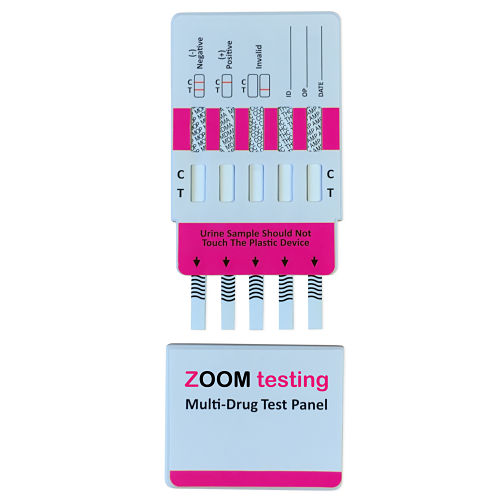
Take Action: Our 10 Panel Drug Test with Spice and Nicotine is the only test on the market that includes screens for Synthetic Cannabis (K2/Spice), Ketamine, and Nicotine alongside eight other common drugs. Get reliable results in just five minutes.
Why Testing Matters
Understanding whether someone has used synthetic cannabinoids can be crucial for:
- Workplace safety: Employers can ensure staff aren’t impaired by substances that might affect performance or judgement
- Family peace of mind: Parents concerned about teenagers can check for Spice use alongside traditional drugs like cannabis
- Pre-employment screening: Comprehensive testing helps maintain safe working environments
- Compliance monitoring: Regular testing can support recovery programmes and workplace compliance
What Our Customers Say
Thousands of UK customers have trusted Zoom Testing for their drug screening needs. Here’s what some of them have experienced:
Andy B. – Verified Customer
“Easy to use test that arrived very quickly. From a urine sample I was able to test for cannabis and synthetic cannabis. The results were negative. As a parent this was a great relief!”
Glynis – Verified Customer
“Top quality kits delivered in a timely manner. Also upgraded my order from 7 panel to 10 panel at no extra cost. Highly recommended very professional company.”
Joseph – Verified Customer
“I wanted to test for a number of drugs at the same time. Being rather bewildered by the wide choice of tests available, I went for this one. Glad I did – very simple to use and results were quick and clear. Recommend.”
Staying Informed About NPS
The landscape of new psychoactive substances continues to evolve. Whether you’re concerned about workplace safety, family wellbeing, or compliance requirements, staying informed about these substances and having reliable testing options available is crucial.
For more information about specific drugs and testing, explore our guides on ketamine, Spice drug testing, and our comprehensive range of drug and alcohol testing methods.
Need Help Choosing a Test?
If you’re unsure which drug test is right for your situation, our customer service team can help. We’ve been supporting UK customers with their drug testing needs for nearly 20 years and can recommend the most appropriate solution for your requirements.
About the Author
Anthony Cunningham – Drug Testing Expert & Editor
Anthony Cunningham, BA (Hons), MA, is a UK-based drug testing expert and editor with over 20 years’ experience running Zoom Testing, a trusted source for accurate drug testing kits and testing guidance. He creates clear, evidence-based articles using UK legislation, workplace compliance standards, and harm reduction best practices. Where possible, content is reviewed by testing specialists and compliance professionals to enhance accuracy and reliability, helping readers make informed testing decisions.