About This Article: Zoom Testing has supplied drug testing kits to UK customers for nearly 20 years. This guide draws on our experience helping thousands of people understand barbiturates, drug testing accuracy, and workplace compliance. Always follow current UK legislation regarding drug testing.
Contents
What Are Barbiturates?
Barbiturates are depressants (or “downers”) that work by suppressing the central nervous system. They are hypnotic drugs used medically to reduce anxiety and promote sleep. Due to widespread misuse and serious overdose risks, barbiturates have been largely replaced by safer alternatives such as benzodiazepines.
Barbiturates used to be a regular feature on the street drugs scene, but nowadays they are quite rare. Very few are now prescribed for medical use, and they are not manufactured illegally. The street names for barbiturates include: barbs, barbies, red devils and sleepers.
Key Point: Barbiturates carry a serious overdose risk because the lethal dose is dangerously close to the therapeutic dose. Users can overdose accidentally without realising.
What Do Barbiturates Look Like?
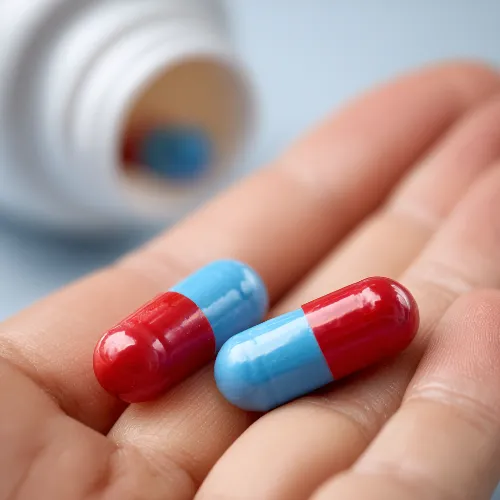
Barbiturates are usually sold as capsules containing powder. Specific types are often colour-coded for identification—for example, Seconal (quinalbarbitone) comes in orange capsules marked with the manufacturer’s code.
How Are They Taken?
Barbiturates are typically swallowed as capsules. However, among heavy users, barbiturates are sometimes dissolved in water and injected intravenously. Injection carries extreme dangers, including infection, circulatory damage, abscesses and ulceration.
Effects & Risks
Immediate Effects
In small quantities, barbiturates provide short-term relief from insomnia, anxiety and tension. Effects typically include:
- Sedation and reduced anxiety
- Drowsiness and impaired coordination
- Slurred speech and “drunk” appearance
- Impaired memory and thought processes
Critical risk: There is a high risk of accidental overdose because the gap between a therapeutic dose and a lethal dose is very narrow.
Long-Term Effects
Barbiturates are highly addictive. Long-term use can result in:
- Depression, intense tiredness and extreme mood swings
- Impaired memory, judgement and coordination
- Chronic insomnia
- Pneumonia and bronchitis (especially in heavy users)
- Aggressive and erratic behaviour
Dangerous interactions: Barbiturates can be fatal when mixed with alcohol, tranquillisers, heroin, cocaine or opiates.
Common Barbiturates
| Drug Name | Brand Name | Street Name | Therapeutic Dose |
|---|---|---|---|
| Amylobarbitone | Amytal, Amytal Sodium | — | 60–200mg |
| Butobarbitone | Soneryl | — | 100–200mg |
| Methyl phenobarbitone | Prominal | — | 100–600mg |
| Pentobarbitone | Nembutal | Nembies | 100–200mg |
| Phenobarbitone | Luminal | — | 60–180mg |
| Quinalbarbitone | Seconal Sodium | Seggies, Seckies | 50–100mg |
| Quinalbarbitone & Amylobarbitone | Tuinal | Chewies | 100–200mg |
Dependency & Withdrawal
Tolerance and dependence develop very rapidly as use increases. Withdrawal symptoms begin within 24 hours of the last dose, peak around the second day, and gradually fade over 7–10 days.
Withdrawal symptoms include: restlessness, anxiety, elevated heart rate, tremor, insomnia, nausea, fainting and delirium. In heavy users, sudden withdrawal can trigger seizures (which can be fatal), so doses should be reduced gradually under medical supervision.
Overdose Risk
Although tolerance develops rapidly, the margin between a safe dose (even for heavy users) and a lethal dose is extremely narrow. Accidental overdoses are very common.
Signs of overdose: Heavy users may overdose with as little as 10 times the therapeutic dose. Overdose can lead to respiratory failure, coma and death. Heavy users also face hypothermia risk, as sedation impairs heat retention—deaths from hypothermia are not uncommon.
Overdose risk increases significantly if barbiturates are mixed with other substances such as cocaine, opiates or alcohol.
Pregnancy Risks
Large doses of some barbiturates during pregnancy have been associated with congenital malformations. However, abrupt discontinuation carries serious risks (such as seizures). Medical supervision is essential. Detoxification over eight days is common, and pregnancy does not necessarily extend the withdrawal timeline.
How to Test for Barbiturates
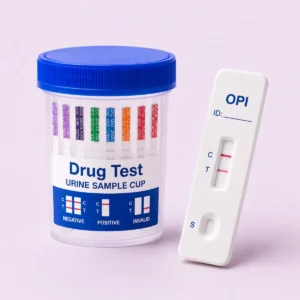
Barbiturates can be detected using standard urine drug tests or saliva drug screening kits. Most multi-panel drug tests include barbiturate detection as part of a comprehensive screening. Testing is commonly used in workplace drug testing environments, by parents concerned about substance misuse, and by individuals preparing for employment medical examinations.
Barbiturates typically remain detectable in urine for 24–48 hours after use, though this varies depending on the specific drug, dosage, and individual metabolism.
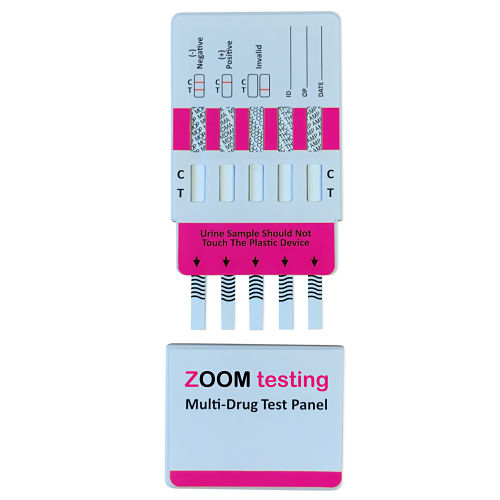
Fast, Accurate Barbiturate Testing Our Multi Drug Dip Cards provide reliable barbiturate detection in minutes. Discreet packaging, next-day delivery available.
Legal Status
Barbiturates are Class B controlled drugs (Schedules 2 and 3) under UK law. They are prescription-only medicines. It is illegal to possess them without a valid prescription or to supply them to others.
Important: If barbiturates are prepared for injection, they automatically become Class A drugs with significantly harsher penalties.
Penalties in Capsule Form
- Possession: Up to 5 years imprisonment and/or unlimited fine
- Supply/Dealing: Up to 14 years imprisonment and/or unlimited fine
Penalties if Prepared for Injection
- Possession: Up to life imprisonment and/or unlimited fine
- Supply/Dealing: Life imprisonment and/or unlimited fine
For more information on UK drug laws and workplace testing rights, consult Gov.uk, ACAS (Advisory, Conciliation and Arbitration Service), or the Health and Safety Executive (HSE).
Specific Types of Barbiturates
Quinalbarbitone (Seconal)
Street names: Seggies, Seckies
Brand name: Seconal (manufactured by Eli Lilly)
Description: Orange capsules (50mg and 100mg) marked F42 and F40 respectively.
Therapeutic use: Insomnia
Method of use: Swallowed or injected
Effects & Duration
Effects last 3–6 hours. Withdrawal begins within 24 hours, peaks after 2 days and fades within 8 days. Withdrawal symptoms include irritability, insomnia, fainting, nausea and delirium. Sudden withdrawal can result in fatal seizures, so gradual dose reduction is essential.
Long-Term Complications
Pneumonia, bronchitis, impaired memory and coordination, chronic insomnia, and withdrawal complications. If injected: infection risk, circulatory damage, abscesses and ulceration.
Overdose Risk
Overdose deaths are common among heavy users. Heavy users may overdose with as little as 10 times the therapeutic dose. Risk of death from hypothermia is significant. Overdose risk increases dramatically when mixed with cocaine, opiates or alcohol.
Special Note: Seconal is considered especially dangerous due to high overdose risk, seizure potential following sudden withdrawal, and hypothermia risk.
Quinalbarbitone & Amylobarbitone (Tuinal)
Street name: Chewies
Brand name: Tuinal (manufactured by Flynn)
Description: Orange and blue capsule (100mg) marked F65.
Therapeutic use: Insomnia
Method of use: Swallowed or injected
Effects & Duration
Effects last 3–6 hours. Withdrawal begins within 24 hours, peaks after 2 days and fades within 8 days. Symptoms include irritability, insomnia, fainting, nausea and delirium. Sudden withdrawal can cause fatal seizures. Sleeplessness may persist for 5–6 weeks.
Long-Term Complications
Pneumonia, bronchitis, impaired memory and coordination, chronic insomnia, and withdrawal complications. If injected: infection risk, circulatory damage, abscesses and ulceration.
Overdose Risk
Overdose deaths are common. Heavy users may overdose with as little as 10 times the therapeutic dose. Hypothermia risk is significant. Overdose risk increases with concurrent use of cocaine, opiates or alcohol.
Special Note: Tuinal is considered especially dangerous due to high overdose risk, seizure potential following sudden withdrawal, and hypothermia risk.
What Customers Say
“Fast, accurate and great service”
— Sarah W., verified customer
“Good responsive test and fast delivery.”
— Anonymous, verified customer
“Always a top service and speedy delivery. Would highly recommend.”
— Anonymous, verified customer
Need Support or Information?
If you’re struggling with barbiturate use or concerned about someone else’s drug use, support is available:
- Talk to Frank – Free, confidential drug information and support (UK)
- UNODC – United Nations Office on Drugs and Crime (global drug data)
- HSE – Health & Safety Executive (workplace drug policy)
About the Author
Anthony Cunningham – Drug Testing Expert & Editor
Anthony Cunningham, BA (Hons), MA, is a UK-based drug testing expert and editor with over 20 years’ experience running Zoom Testing, a trusted source for accurate drug testing kits and testing guidance. He creates clear, evidence-based articles using UK legislation, workplace compliance standards, and harm reduction best practices. Where possible, content is reviewed by testing specialists and compliance professionals to enhance accuracy and reliability, helping readers make informed testing decisions.
Originally published: January 2015 | Last updated: November 14, 2025