Published: 24 April 2026 | Last Updated: 24 April 2026 | By Anthony Cunningham
This week’s drug testing industry roundup covers a landmark moment for UK tobacco legislation, a disturbing BBC investigation into High Street drug sales, cocaine consumption data that should concern every employer, and major policy shifts from both Westminster and Washington. With nearly 20 years of experience in professional drug testing, we’ve analysed the week’s most important stories to help UK employers stay informed and compliant.
The Smoking Ban That Changes Everything
The big headline of the week came on Wednesday when Parliament confirmed that the Tobacco and Vapes Bill has cleared both Houses. Anyone born after 1 January 2009 will face a lifelong ban on buying cigarettes – creating, in the government’s phrase, a “smoke-free generation.”
It’s a genuinely historic piece of legislation. But it’s already generating friction. In Oxfordshire, Trading Standards officers uncovered thousands of illegal cigarettes during raids, with ITV reporting that legal tobacco sales have more than halved since 2021 – and not just because fewer people are smoking. A growing black market is filling the gap. And in Scotland, campaigners are already calling for concerns about free vapes being handed out outside Arsenal’s Emirates Stadium to be taken seriously, with companies apparently exploiting loopholes in current vaping regulations.
For employers, ACAS guidance on substance use at work remains the starting point for any workplace policy update in response to shifting legal landscapes. Our own guide to testing for smoking and tobacco usage is worth revisiting as nicotine products continue to evolve.
Cocaine and Cannabis on the High Street
Thursday’s BBC investigation was striking. Secret filming in mini-marts across four neighbouring West Midlands towns found cocaine, cannabis, laughing gas and prescription pills being openly offered for sale. Undercover researchers were approached without any prompting. One street was described by an anonymous law enforcement source as “lawless.”
It’s a sobering illustration of how accessible drugs have become. Earlier in the week, a blog post from Russell Webster put hard numbers on the cocaine problem: the Home Office’s Wastewater Analysis for Narcotics Detection (WAND) programme estimates that people in England are consuming 123,000 kg of cocaine a year. That figure should focus the minds of any employer with a safety-critical workforce. You can read more about the scale of the issue in our guide to cocaine drug testing in the workplace, and understand detection windows with our article on how long cocaine stays in your system.
Meanwhile, UK-wide enforcement activity continued. A multimillion-pound cocaine operation was dismantled after two men were caught with 50kg of the drug in Staffordshire. In West Lothian, two Albanian brothers were jailed for running a £3m cannabis factory. And police in Herefordshire, Shropshire and Worcestershire reported seizing £2.3m of drugs and closing down 38 county lines operations over the past twelve months.
Teen Cannabis Use and Brain Development
Two significant pieces of research on cannabis and young people emerged this week. A study from the University of California San Diego, published in Neuropsychopharmacology and covered by News Medical, found that teenagers who begin using cannabis show measurably slower gains in memory and thinking skills as they develop. The data came from over 11,000 participants in the Adolescent Brain Cognitive Development (ABCD) Study – the largest long-term brain development study in US youth.
Separately, research published in JAMA Network Open analysed over 1.3 million questionnaires from adolescents and found that cannabis use rates increased after recreational legalisation in US states – though they subsequently fell following the COVID-19 pandemic. The Independent also ran the UCSD research under the headline “Teen cannabis use linked to slower gains in memory and focus.”
For employers taking on young workers, this context matters. Our article on the top 5 reasons to drug test for cannabis and our explainer on how long cannabis stays in your system cover the practical testing implications.
Prisons, Drug Deaths and the Rehabilitation Challenge
It was a grim week for prison drug news. On Monday, the BBC reported that an inmate died from drugs in HMP Lowdham Grange in Nottinghamshire – a facility described by the report as “volatile.” An unannounced inspection at a Dorset prison found that drug use, self-harm and inadequate release preparation remain ongoing problems.
Friday brought a significant government data release from OHID and the Ministry of Justice, showing that drug-related deaths account for 62% of all deaths in the first four weeks after prison release among those with an identified opiate need. The RAND Corporation also published a comprehensive evaluation of England’s drug treatment strategy, finding that the “From Harm to Hope” portfolio brought welcome investment after years of disinvestment – though challenges remain around funding certainty.
Psychedelics, Cannabis and the Shifting Policy Landscape
Two major policy developments landed from Washington this week. The US Department of Justice officially reclassified cannabis as less dangerous – a landmark shift in US federal drug policy. And President Trump signed an executive order directing the FDA to expedite its review of psychedelic drug treatments, including ibogaine for veterans with PTSD. The Guardian asked whether this represents a genuine “threshold moment” for psychedelic medicine, while UnHerd offered a more sceptical take, questioning whether the evidence base for ibogaine is as strong as its advocates claim.
Closer to home, Jersey’s Health Minister indicated he would support regulated trials of recreational cannabis if they align with States decisions. These international developments matter for UK employers because they influence the drugs their workers may encounter, and because evolving legal frameworks elsewhere can shift attitudes domestically. Our overview of workplace drug testing covers the current UK legal position.
Ketamine Seizures, GBL and Spiking Concerns
A Suffolk gang that used a fishing boat to smuggle £1.4m of ketamine into the country was jailed this week – a reminder that ketamine remains a significant trafficking concern in the UK. Australian research from Adelaide University, meanwhile, confirmed that recreational ketamine use is rising, with wastewater analysis showing increased consumption across capital cities, particularly in higher-income areas, between 2022 and 2025.
On Monday, the Metropolitan Police confirmed that a 61-year-old man admitted intent to supply more than 2,000 litres of GBL, a drug closely linked to the spiking and chemsex scene. You can find information on what ketamine is and how long ketamine stays in your system in our knowledge base.
Drink-Driving, Drink-Driving Laws and a Police Sacking
Nine in ten Britons back tougher drink-drive laws, according to a survey of 2,000 adults by breathalyser firm AlcoSense – with 87% believing stricter rules are needed as the government consultation on lowering the legal limit approaches its close. The timing felt pointed given that a Metropolitan Police sergeant was sacked this week for drink-driving while on Iranian embassy protection duty – a gross misconduct finding that illustrates how alcohol-related failings can have serious professional consequences in safety-critical roles. Our article on alcohol and drug testing in the professional workplace is relevant reading for any HR team reviewing policy.
Also This Week
The BBC aired a Global Story investigation into dopamine agonist medications that can trigger sex and gambling addictions. The potential implications for workers taking these commonly prescribed drugs – for conditions from Parkinson’s to depression – are significant and underappreciated. A separate Medical Xpress piece raised questions about the fatal consequences of mixing psychiatric medications, with Brown University researchers flagging emerging overdose risks even as overall US overdose numbers decline. Ukraine’s ongoing crisis also made the news, with the Guardian reporting on soldiers using substances to self-medicate untreated PTSD – a picture of addiction driven by circumstances rather than choice.
Practical Takeaways for Employers
It was a week that underlined several things. First, the accessibility of drugs in the UK – from High Street mini-marts to fishing boat smuggling routes – means workplace exposure risk remains high and is not confined to particular industries. Second, cocaine consumption at 123,000 kg per year in England alone suggests the drug is far more widespread in working populations than many employers assume. Third, the evolving regulatory picture around vaping, tobacco and cannabis means workplace policies need reviewing regularly.
For safety-critical industries in particular, a robust testing programme covering multiple substance types – including saliva testing for recent use – remains the most defensible approach. Our guide to what saliva drug testing is explains how oral fluid testing works, while our article on what happens if you fail a drug test at work covers the HR and legal framework.
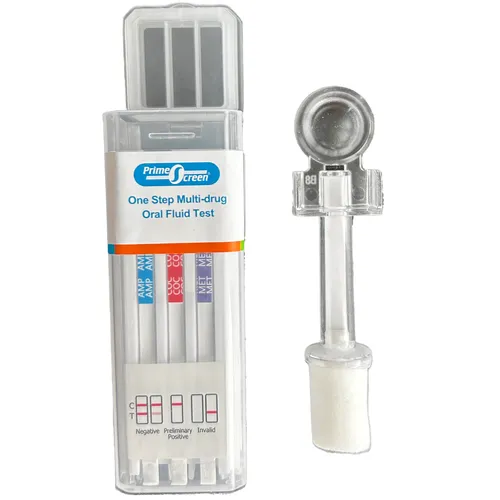
Take Action: Professional Saliva Drug Testing
Screen for 12 substances simultaneously with our 12 Panel T-Square Oral Fluid Saliva Drug Test Kit. Non-invasive, fast results – ideal for workplace and roadside testing.
What Customers Say
“Thank you to the team at Zoom Testing for advice before buying this drug test kit, I was looking for something that was easy to use and gave accurate results, in line with any workplace drug test. This kit did both and I was pleased to receive it within 24 hours of ordering. Using the test gave me great peace of mind.”
– Jore
“I bought these to test my PCV Drivers and they worked very good. Delivery was very fast and they were very quick at replying to any queries when e-mailed. Will be using them again in the future if needed and are highly recommended.”
– Kayleigh R
“Top quality kits delivered in a timely manner. Also upgraded my order from 7 panel to 10 panel at no extra cost. Highly recommended very professional company.”
– glynis
About the Author
Anthony Cunningham – Drug Testing Expert & Editor
Anthony Cunningham, BA (Hons), MA, is a UK-based drug testing expert and editor with over 20 years’ experience running Zoom Testing, a trusted source for accurate drug testing kits and testing guidance. He creates clear, evidence-based articles using UK legislation, workplace compliance standards, and harm reduction best practices. Where possible, content is reviewed by testing specialists and compliance professionals to enhance accuracy and reliability, helping readers make informed testing decisions.