

About This Article: Zoom Testing has supplied drug testing kits to UK customers for nearly 20 years. This guide draws on our experience helping thousands of people understand drug testing, workplace compliance, and stimulant use. Always follow current UK legislation regarding drug testing.
Published: October 5, 2023 | Last Updated: November 15, 2025 | By Anthony Cunningham
Quick Navigation
What Are Stimulants?
Stimulants are one of the three main categories of drugs. These types of drugs make you feel more alert and are often referred to as stimulants. Many drugs fall under this term. A popular legal stimulant is caffeine, which can be found in coffee, tea and chocolate. Illegal stimulants, such as cocaine, are some of the most commonly used illegal drugs in the UK.
Naturally occurring stimulants (probably designed to fend off invading insects) are found in many plants and these substances can also make the human brain and body more active. Many party drugs are classified as stimulants. Designed to give users the energy and mindset to want to dance all night and into the next day, stimulants are the drug of choice for clubbers who want to keep awake and alert for many hours.
Some of the most commonly used stimulants include amphetamines, cocaine, ecstasy and methamphetamine. One of the major reasons that users choose to take stimulants is because of the euphoric feelings that can be felt when taking such drugs.
For more information: You can find evidence-based information about stimulant use on DrugWise, an independent UK drug charity that provides authoritative harm reduction and treatment information.
How Stimulants Affect the Brain
Stimulants take effect by speeding up the messages that travel between the brain and the body. This is done by increasing activity of the central nervous system. Stimulants like cocaine and amphetamines lead to a flood of dopamine in the brain’s reward centre. This provides a feeling of euphoria and increased energy.
This happens because of a build up and increase in levels of dopamine in the brain—the neurotransmitter that handles feelings of pleasure. However, it can also lead to addiction as users continually chase the high. With repeated use, dopamine receptors become less sensitive, leading users to take higher doses to achieve the same effect. This changes brain chemistry over time.
Short-Term Effects of Stimulants
Exhaustion, apathy and depression are all effects of the “down” that can be felt after the “high” of taking stimulant drugs. This lasting and immediate exhaustion can create a circle of drug use as the user takes more of the stimulant to overcome these feelings. Soon a dependency on the drug can be created as the user strives to feel “well” rather than to get high.
Long-Term Effects of Stimulants
These types of drugs can be addictive. Regular high doses of stimulants over short time periods can cause feelings of paranoia and hostility. An irregular heartbeat and dangerously high body temperatures can also result from such high doses of the drug.
Long-term stimulant abuse is linked to anxiety, depression, psychosis, and even permanent damage to dopamine receptors. Withdrawal leads to fatigue and inability to experience pleasure. This contributes to users relapsing as they self-medicate with more stimulants.
Treatment & Support
Treatment with behavioural therapies can help manage cravings and prevent relapse. Medications may also help normalise brain chemistry. For confidential support and treatment options across the UK, contact Talk to Frank (UK’s official drug information service) or seek guidance from your GP.
Do Drug Testing Kits Detect Stimulant Use?
Yes. Recent use of most stimulants can be detected by a drug testing kit. For example, urine or saliva samples are used by cocaine drug testing kits to prove that an individual has recently taken the drug. Detection windows vary depending on the specific stimulant and testing method used.
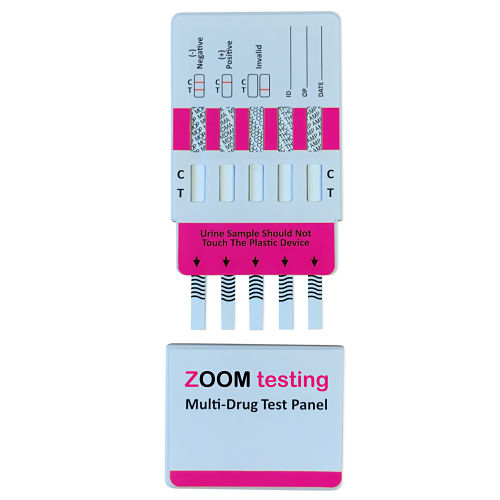
Testing for Stimulants at Home or Work? Our multi-drug dip cards provide accurate, fast results for stimulants and other common drugs in a single urine sample.
More About Stimulants
Prescription Stimulants: Smart Drugs or Risk?
Prescription stimulants like Ritalin or Adderall are sometimes abused as “smart drugs” to enhance focus and motivation. However, unprescribed use comes with risks like addiction and side effects. These medications are carefully dosed to provide therapeutic benefits for disorders like ADHD. Recreational use can easily lead to taking excessive amounts. Additionally, those without ADHD may experience more side effects like agitation, insomnia, and cardiovascular effects. Use should be limited to medical purposes only.
Illegal Stimulants: Risks and Adulterants
The potency and purity of illegal stimulants are unpredictable. They are often “cut” with cheaper additives that can be toxic. Overdose and unsafe interactions are risks. Using with alcohol increases the strain on the cardiovascular system. Pre-existing heart conditions increase the chance of heart attack or stroke. Adulterants like levamisole found in cocaine can also cause serious blood disorders.
Harm Reduction Strategies: Harm reduction strategies like drug checking and community support can help mitigate risks. However, total abstinence is the safest approach.
Workplace Drug Testing & Stimulants
Workplace drug testing programmes commonly screen for stimulants such as amphetamines and cocaine. Testing can occur at pre-employment, random, or post-incident stages. Understanding detection windows and testing procedures can help employers maintain a safe working environment whilst respecting employee privacy. Guidance from ACAS (Advisory, Conciliation and Arbitration Service) outlines best practice for UK workplace testing.
Prevention, Education & Recovery
Raising awareness through drug education programmes can help deter stimulant abuse, especially amongst youth. Providing healthy outlets and coping skills helps prevent boredom, stress, and peer pressure from driving drug use. Community support, family counselling, and positive role models make a difference. For those struggling with addiction, compassionate treatment focused on healing—not punishment—gives the best chance for recovery. With effort and time, healing brain chemistry and living a fulfilling, stimulant-free life is possible.
What Customers Say
Zoom Testing’s drug test kits are trusted by thousands of customers for accuracy and reliability. Here’s what recent users have said:
“I’m really pleased with these tests they are very accurate.”
Vicki R – 5-star review
“Fast, accurate and great service.”
Sarah W – 5-star review
“Spot on, result came before the wait time, was value for money.”
Michelle M – 5-star review
About the Author
Anthony Cunningham – Drug Testing Expert & Editor
Anthony Cunningham, BA (Hons), MA, is a UK-based drug testing expert and editor with over 20 years’ experience running Zoom Testing, a trusted source for accurate drug testing kits and testing guidance. He creates clear, evidence-based articles using UK legislation, workplace compliance standards, and harm reduction best practices. Where possible, content is reviewed by testing specialists and compliance professionals to enhance accuracy and reliability, helping readers make informed testing decisions.
You May Also Like
Deepen your understanding of stimulants and drug testing:
- What Are Cocaine and Crack? – Explore the effects, risks and testing methods for cocaine
- Drug Test Cut-off Levels for Cocaine – Understand detection thresholds for workplace testing
- How Long Does Cocaine Stay In Your System? – Detection window guidance for stimulant users
- Workplace Drug Testing – Employer guidance on testing procedures and best practice
- Three Main Categories of Drugs – See how stimulants fit into broader drug classification




Zoom Testing is a leading supplier of drug test kits trusted by employers, parents, and individuals across the UK.