About This Article: Zoom Testing has supplied drug testing kits to UK customers for nearly 20 years. This guide draws on our experience helping thousands of people understand drug testing, workplace compliance, and the evolving drug landscape. Always follow current UK legislation regarding drug testing.
What employers need to know about this week’s drug-related developments
Quick Links – Jump to a Section:
- The Ketamine Crisis Hitting Young People
- Drug Driving: A Persistent Problem
- Organised Crime Getting More Sophisticated
- Prison Safety and Synthetic Drug Problem
- Major Enforcement Operations and Novel Substances
- Enforcement Against Illicit Retail Operations
- The Benzodiazepine-Heroin Combination Problem
- Tobacco, Nicotine and Harm Reduction
- What Employers Should Be Thinking About Now
The Ketamine Crisis Hitting Young People
A New “Generation K” Problem
Ketamine has become a serious concern for young people in the UK and beyond. What’s most troubling is how easily it’s being distributed – through channels that are completely different from traditional drug dealing.
This week, authorities discovered an unusual smuggling tactic. Bags that appeared to be Chinese tea started washing up on South Korean holiday beaches. However, they actually contained ketamine, likely destined for wider markets. This demonstrates how resourceful both users and suppliers have become.
Parliamentary Concern and Workplace Impact
In the UK, the situation is dire enough that MPs have raised parliamentary questions about ketamine addiction rates among under-25s. One psychologist supporting young addicts described the shift clearly: “Instead of going behind the bike sheds for a cigarette, kids are going behind the bike sheds for a ketamine hit.”
This reframing is significant. Substance abuse is becoming normalised as a generational issue. If you employ young workers, this trend directly affects your workforce risk profile and duty of care obligations.
For employers, the takeaway is clear. Standard workplace education about “drugs” may no longer be enough. Your safety protocols need to specifically address ketamine as a workplace safety concern, particularly for younger employees.
Drug Driving: A Persistent Problem
Enforcement Data Shows High Rates
You might expect that by now, workforces would clearly understand the risks of driving under the influence. But the latest figures tell a different story.
New data from Devon and Cornwall Police showed that nearly 45% of 1,245 drivers tested between January and June 2025 had illegal substances in their system. What’s particularly stark is that people as young as 16 were already testing positive.
Implications for Mobile Workforces
For employers with mobile workforces, this data is a signal. Drug testing conversations need to extend beyond factory floors into vehicle safety protocols. If your staff drive as part of their role, monitoring for drug use is part of your duty of care.
Organised Crime Getting More Sophisticated
Counterfeit Products and Market Risk
This week revealed that organised crime gangs are now manufacturing their own branded weight-loss drugs. They create counterfeit packaging designed to look completely legitimate. The Medicines and Healthcare products Regulatory Agency (MHRA) has flagged this as a deliberate strategy to fool consumers.
This signals a significant shift in how criminals operate. They’re not just shifting existing drugs – they’re manufacturing convincing fakes to exploit legitimate market demand.
Workplace Supply Control Implications
For workplace settings with strict supplier controls, this is a reminder. Even products that appear to come from official channels need verification. If you operate in industries where counterfeit products are a concern, this trend has implications for your supply chain and staff safety.
Prison Safety and the Synthetic Drug Problem
Unintended Consequences of Legal Highs Bans
The crackdown on legal highs in prisons has produced an unintended consequence. Rising incidents of violence, self-harm, and suicide have been documented. A University of Sussex study found something troubling: despite the ban, new psychoactive substances remain widely available behind bars.
Spice, a synthetic cannabinoid, remains particularly problematic. It’s linked to unpredictable behaviour, and authorities struggle to contain it even in the most controlled environments.
The Vape Crisis in Prisons
Vapes have created a separate crisis. Remarkably, 95% of prison fires are now deliberately started. Vapes account for more than two-thirds of these incidents. These aren’t simply internal security issues – they signal how new psychoactive substances continue to cause harm in the most controlled environments.
For employers, this suggests that workplace users of synthetic drugs represent a genuine safety liability. Standard testing protocols may not detect all variants of synthetic cannabinoids in circulation.
Major Enforcement Operations and Novel Substances
Class A Drug Seizures Across the UK
Large quantities of Class A drugs have been seized across the UK in coordinated operations. Arrests occurred in Bradford, Bristol, and Glasgow. One particularly telling case involved a man jailed for supplying cocaine to a teenager who subsequently died.
The pattern is straightforward. Cocaine continues to be associated with severe consequences, particularly when it reaches younger users. Supply remains robust.
Emerging Novel Substances: Medetomidine and Nitazenes
One particularly concerning substance emerged this week: medetomidine. This is a veterinary tranquiliser now appearing on streets in places like Kensington. Users believe they’re buying fentanyl but experience severe sedation followed by dangerous withdrawal symptoms.
Similarly, nitazenes – another novel opioid analogue – continue to appear on cryptomarkets. The drug landscape is fragmenting into increasingly obscure compounds. Traditional drug testing kits may not readily detect these novel substances.
International Trafficking Remains Active
On the international front, a £235 million cocaine seizure occurred at Lagos port. The UK, US, and Nigerian authorities worked together. This scale of operation means some substances will inevitably reach UK streets and workplaces.
Enforcement Against Illicit Retail Operations
Money Laundering Crackdown on High Street Shops
Police conducted major raids against shops selling counterfeit and illegal goods. Thousands of high street barbers, vape shops and minimarts were targeted in what police describe as the biggest money laundering crackdown of its kind.
Beyond the financial crime angle, these operations revealed widespread sales of illegal vapes that fail fire safety checks, are counterfeit, or breach laws protecting children.
What This Means for Workplace Safety
In one case, a Bradford shop was ordered to close for three months after illegal vapes and cannabis were discovered on the premises. For employers, this signals that the illicit market has become sophisticated enough that even high-street retail is compromised. Workers buying products on their lunch breaks may be exposed to counterfeit or illegal substances.
The Benzodiazepine-Heroin Combination Problem
Clinical Trials Address Poly-Drug Use
Clinical trials are being launched in Scotland to address a specific concern. Heroin users who also consume illicit benzodiazepines are being studied. Researchers are testing whether prescribing a stable dose of diazepam can reduce overdose risk in this vulnerable group.
For workplace settings where opioid misuse is a concern, this trial highlights an important truth. Users often combine multiple substances. Poly-drug use is the norm rather than the exception.
Tobacco, Nicotine and Emerging Harm Reduction
Nicotine Pouches and Youth Usage
The regulatory environment around smoking continues to shift. New research has found that nicotine pouches are increasing in popularity among young people despite earlier predictions of low uptake. The Tobacco and Vapes Bill travelling through the House of Lords has prompted discussion about generational smoking bans.
Electronic Cigarettes and Quit Rates
On the positive side, electronic cigarettes have demonstrated efficacy in helping smokers quit. Cochrane evidence suggests they increase quit rates compared to nicotine replacement therapy. However, concerns persist about their effects on fertility and pregnancy.
Medical Cannabis Training Gap
A concerning statistic: fewer than 1% of UK doctors have training to prescribe medical cannabis, seven years after legalisation. This reflects a broader gap between policy and implementation on harm reduction approaches.
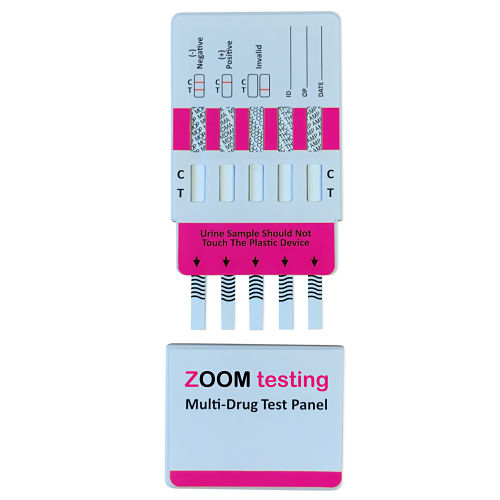
Comprehensive Testing Solutions
Our Multi-Drug Dip Cards test for multiple substances simultaneously. Fast, reliable, and discreet – ideal for employers and individuals who need accurate results.
What Customers Say
Real feedback from UK customers who trust Zoom Testing for workplace and personal drug testing needs.
“Always reliable and easy to use”
These cocaine surface wipes are effective in highlighting the scale of usage due to the immediate change in colouration when in contact with residue. They’ve been instrumental as part of a multi-stage, collaborative strategy of deterrence and prevention with positive results. Always reliable and easy to use – I have a regular order from Zoom when stock runs low.
Joe S – Workplace Testing, 5-star review
“Worked very well – fast delivery and responsive service”
I bought these to test my PCV drivers and they worked very well. Delivery was very fast and they were quick at replying to any queries when emailed. Will be using them again in the future if needed and are highly recommended.
Kayleigh R – Professional Fleet Testing, 5-star review
“Top quality kits and professional company”
Top quality kits delivered in a timely manner. Also upgraded my order from 7 panel to 10 panel at no extra cost. Highly recommended – very professional company.
Glynis – Corporate Employer, 5-star review
What Employers Should Be Thinking About Now
Novel Substances and Testing Blind Spots
The emergence of substances like medetomidine is important. Standard panel drug testing protocols may miss these drugs entirely. If your testing programme is built around traditional benzodiazepines, opiates and stimulants, you’re potentially blind to an expanding catalogue of synthetic alternatives.
Young Workers Are at Higher Risk
The “Generation K” phenomenon isn’t ancient history. Teenagers are active ketamine users today and will be your workforce tomorrow. Workplace education and testing protocols should reflect that ketamine is no longer an obscure club drug but a normalised part of some young people’s lives.
Poly-Drug Use Is the Reality
The benzodiazepine-heroin combinations, stimulants mixed with novel synthetic opioids, alcohol consumed alongside vaping – this suggests single-substance testing is inadequate. A comprehensive saliva or urine testing programme that covers multiple drugs simultaneously is now table stakes for responsible employers.
Supply Remains Reliable and Accessible
The scale and sophistication of organised operations means that supply continues to be reliable. From branded weight-loss drug counterfeits to illicit retail networks to beach-washed ketamine, the infrastructure supporting drug availability isn’t going anywhere.
Regular testing combined with genuine harm reduction messaging remains your best approach.
Key Takeaways for Employers
- Novel substances like medetomidine and nitazenes may not show up on standard panels – review your testing scope
- Young workers are more likely to use ketamine – update your risk assessments accordingly
- Poly-drug use is common – single-substance testing won’t catch all risks
- Drive safety matters – 45% of drivers tested had illegal substances; extend testing to mobile workforces
- Synthetic cannabinoids like Spice remain widely available despite enforcement efforts
- Multi-drug testing kits provide the best coverage for comprehensive workplace safety
- Regular testing + harm reduction messaging is more effective than abstinence-only approaches
Ready to Update Your Testing Programme?
Zoom Testing’s expertise in workplace drug testing is built on nearly 20 years of supporting UK employers. Whether you’re navigating novel substances, designing protocols that reflect actual use patterns, or simply trying to understand what your workforce might be exposed to, we’ve got the knowledge and tools to support genuinely protective drug testing programmes.
About the Author
Anthony Cunningham – Drug Testing Expert & Editor
Anthony Cunningham, BA (Hons), MA, is a UK-based drug testing expert and editor with over 20 years’ experience running Zoom Testing, a trusted source for accurate drug testing kits and testing guidance. He creates clear, evidence-based articles using UK legislation, workplace compliance standards, and harm reduction best practices. Where possible, content is reviewed by testing specialists and compliance professionals to enhance accuracy and reliability, helping readers make informed testing decisions.
Originally published: 14 November 2025 | Last updated: 14 November 2025
You May Also Like:
Workplace Drug Testing • Multi-Drug Testing Kits • Saliva Drug Testing