About This Article
Zoom Testing has over 20 years’ experience supplying drug testing products and guidance in the UK. This article explains how cocaine detection wipes can help pubs and bars monitor surfaces, alongside practical considerations for venue management and licensing.
Published: 7 April 2024 | Last Updated: 9 October 2026 | By: Anthony Cunningham
Cocaine wipes can be used in pubs and clubs where the licensee is concerned about cocaine use on their premises. These easy-to-use wipes can help staff spot-check toilet surfaces, including cisterns and seats, for possible cocaine residue, with results in seconds.
Pubs and bars have used cocaine test swabs to help monitor suspected drug use on their premises. Police have also carried out surface-testing operations at licensed premises in different parts of the UK, including historically reported operations in Cambridgeshire, Nottinghamshire and Surrey.
The Rise of Cocaine in the Night-Time Economy
While the implications of drug use in pubs and bars are serious, it’s important to understand the context behind this disturbing trend. The rise of the night-time economy over the past few decades has brought with it a culture of excessive drinking and drug taking. Cocaine, in particular, has become the drug of choice for many who frequent bars and clubs.
Its stimulant effects allow people to stay awake and maintain high energy levels for long periods of drinking and dancing. But what might start as a way to keep the party going can quickly spiral into addiction and all the dangers that entails. Dealing with addiction is never easy, but being under the influence in a crowded bar setting presents some alarming risks.
The Risks of Cocaine in Bars
Cocaine is known to increase aggression, impair judgement, and cause erratic behaviour in users. In the enclosed space of a bar with easy access to more alcohol, this combination can prove explosive. Fights, sexual assaults, accidents, and other violence become far more likely. Users also put massive strain on their cardiovascular system when combining cocaine with alcohol, incidents of heart attacks and strokes are not uncommon.
Then there are the wide-ranging social impacts, from public disorder to organised crime infiltrating nightlife venues. Make no mistake, wherever there is a demand for cocaine, drug dealers will be close at hand supplying it. The relationship between cocaine use and the harmful actions of drug gangs cannot be ignored.
Cocaine Usage Is a Problem for the Licensee
Cocaine wipes are a cost-effective way for licensees to monitor areas where drugs may have been handled or taken, but they cannot establish whether a particular person has used cocaine. Failing to address persistent drug-related problems can put a premises licence at risk. Under the Licensing Act 2003 guidance in England and Wales, licensing authorities can review a licence where concerns arise about crime and disorder. Depending on the evidence and circumstances, action may include additional conditions, suspension or revocation.
Bars And Pubs Are Losing Their Alcohol Licences
Below are a couple of examples of the dangers that bar owners and managers face if they ignore drug taking on their premises.
In December 2019, a prominent cocktail bar in Brighton had its alcohol licence withdrawn after high levels of cocaine were discovered in the toilets. Three drug swab tests had been failed by the bar over a period of seven months. As well as cocaine, traces of heroin and methamphetamine were also discovered in the investigation.
The owners of the bar made changes which included removing flat surfaces from the toilets. However, this was seen as too little, too late by the licensing panel.
In September 2019, the Black Swan pub in Spalding saw its premises licence withdrawn after “persistent drug offences”. Police swabbed surfaces and found traces of cocaine in the toilets. Drug residue was also found on the snooker table and on gaming machines.
Police were aware of a drug problem in the pub, dating back to 2011. For many years the pub had been monitored, and the management was advised that changes needed to take place. However, a full zero tolerance drug policy was never implemented.
In July 2019, a national tabloid newspaper reported that “rampant cocaine abuse” was a big problem for UK pubs. The report spoke of one landlord who was spraying pub surfaces with WD40 in order to make them useless for drug taking! The article reported that police were now recommending that pub owners should regularly swab their premises for drugs.
In April 2021, the Metro reported that cocaine dealers were preparing for record sales as beer gardens reopened after months of lockdown. With the public not being allowed in a pub since November 2020, demand for the drug was high, with dealers expecting record sales, not seen since the World Cup of 2018.
In May 2021, a pub in Birmingham was shut down after police found evidence of persistent drug offending. The pub’s licence was revoked after illegal substances were found on the premises and staff were not properly trained to detect drug use.
These historical incidents show how drug-related problems have contributed to licensing action at individual UK pubs. Each case depended on its own evidence and circumstances.
With drug use remaining a pervasive issue in UK society, it is clear that a concerted effort is needed to stem the tide of illicit substances and prevent them from infiltrating our social spaces. In the meantime, pub owners must remain vigilant and implement strong policies to deter drug use and protect the safety of their patrons.
Maintaining a Safe Environment
Of course, the responsibility ultimately falls on venue owners and staff to maintain a safe, responsibly managed environment. While security can help keep drugs out, testing measures like cocaine wipes can provide an additional monitoring tool. Performing regular swab tests, especially in toilet areas, may help staff identify areas requiring attention. A positive result is a presumptive finding and should not be treated as proof that a particular person has used cocaine.
Simply ignoring the problem is a recipe for disaster that could lead to closure or prosecution. Licensees must get proactive, invest in drug awareness training for staff, work closely with local law enforcement, and explore deterrents like toilet cubicle closers or even professional drug dog services. An ounce of prevention is worth a pound of cure when it comes to avoiding the major headaches caused by cocaine in your establishment.
Cocaine Surface Wipes
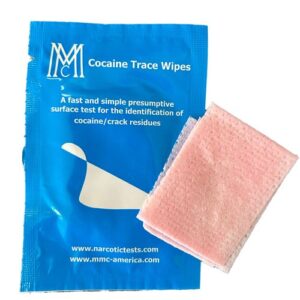
Zoom Testing Cocaine Surface Wipes provide quick presumptive screening for suspected cocaine residue on suitable surfaces.
Cocaine wipes are simple to use. They contain a chemical reagent that changes colour when it reacts with suspected cocaine residue. Remove the wipe from its packaging and swab the surface following the product instructions. A blue colour change indicates a presumptive positive result, not conclusive proof of cocaine use. A negative result means cocaine was not detected in the area tested, but does not guarantee that the surface or venue is free from cocaine. Cocaine wipes are intended for surface screening.
The cocaine wipe can be used on suitable dry surfaces. Even if no powder is visible, residue may still be detectable. Results depend on the amount present, the surface, sampling technique and the limitations of the test.
Cocaine wipes should not be used on human skin. In these situations, saliva and urine screens for cocaine are more suitable.
When using cocaine wipes, wear suitable disposable gloves and follow the manufacturer’s instructions to minimise contact with reagents and reduce the risk of cross-contamination.
Results generally appear quickly as a colour change. However, these wipes are presumptive screening tools and can be affected by contamination or other substances. Where the outcome could have legal, disciplinary or employment consequences, obtain professional advice and consider appropriate laboratory confirmation rather than relying on a wipe result alone.
Cocaine swabs are sold by UK drug testing company, Zoom Testing, as part of a wide range of cocaine drug testing kits.
About the Author
Anthony Cunningham, BA (Hons), MA, is a UK-based drug testing expert and editor with over 20 years’ experience running Zoom Testing, a trusted source for accurate drug testing kits and testing guidance. He creates clear, evidence-based articles using UK legislation, workplace compliance standards, and harm reduction best practices. Where possible, content is reviewed by testing specialists and compliance professionals to enhance accuracy and reliability, helping readers make informed testing decisions.
Drug Testing Disclaimer
This article is for general information only. Drug test cut-off levels, detection times and results can vary according to the test, specimen type and testing standard being used. A screening result should not be used on its own to make medical, legal or employment decisions. Where a test result has significant consequences, appropriate confirmation testing and professional advice should be considered.