About This Article
Zoom Testing has supplied drug testing kits to UK customers for nearly 20 years. This weekly digest draws on our experience helping thousands of employers, parents, and individuals understand emerging drug threats and workplace testing requirements. Always follow current UK legislation regarding drug testing.
Published: 5 December 2025 | Last Updated: 5 December 2025 | By Anthony Cunningham
Welcome to this week’s digest of drug testing news from across the UK and beyond. Each week, we monitor developments in substance use, contamination alerts, policy changes and testing innovations that matter to employers, parents and testing professionals. This week’s roundup includes record-breaking treatment figures, a critical benzodiazepine contamination study, and emerging threats from synthetic cannabinoid-laced vapes. Here’s what you need to know.
Contents
- Treatment Numbers Hit Record High
- Dangerous Diazepam Variation Poses Testing Challenge
- Spice-Laced Vapes: A New Threat to Young Workers
- Festive Season Brings Drink-Driving Crackdowns
- Industrial-Scale Drug Production Escalates
- Naloxone Usage Exceeds Expectations
- Matthew Perry Case Highlights Ketamine Risk
- International Trends Worth Monitoring
- What Employers Should Consider Now
Treatment Numbers Hit Record High
The government released striking new figures this week showing that 329,646 adults were in contact with drug and alcohol treatment services between April 2024 and March 2025—the highest number since reporting began. That’s a 6% rise on the previous year. Equally concerning, 169,542 new adults entered treatment during the period, representing two consecutive years of increase.
But here’s what should concern employers most: the composition of that treatment population is shifting. Children’s substance misuse treatment numbers jumped 13% year-on-year, reaching 16,212 young people aged under 18. Cannabis remained the dominant substance accounting for 86% of cases, but importantly, two in five children reported alcohol problems, 8% presented with MDMA/Ecstasy issues and 6% had powder cocaine problems. This diversification in younger users has implications for workplace testing protocols.
The rise in treatment numbers has sparked calls from the Local Government Association and campaigners for urgent action against “patient brokering”—the disturbing practice of paying individuals to refer vulnerable people to private rehabilitation centres regardless of suitability. The exploitation of people seeking help highlights the vulnerability of those struggling with substance dependency.
Learn More: Understanding the full scope of substances young people are using helps employers calibrate testing programmes. Our comprehensive guide to multi-drug testing panels explains which substances each panel covers and why comprehensive testing matters more than ever.
Dangerous Diazepam Variation Poses Testing Challenge
A study published by King’s College London this week has revealed an alarming finding: illicit benzodiazepine tablets containing diazepam show considerable variation in strength and content. This is particularly significant for workplace testing because illicit tablets can be significantly stronger than expected, creating genuine overdose risks for users and complicating employment screening programmes.
The research, conducted in collaboration with TICTAC Communications and Nanalysis, tested seized tablets and found inconsistency that would be impossible to achieve in legitimate pharmaceutical manufacture. For employers, this underscores why regular workplace drug testing remains critical—employees using illicit benzodiazepines may underestimate the dose and associated impairment they’re experiencing.
The implication for workplace testing policies is clear: without regular screening, you cannot identify employees impaired by substances whose potency varies dramatically from dose to dose. Pre-shift testing becomes particularly important in safety-critical roles.
Spice-Laced Vapes: A New Threat to Young Workers
A particularly concerning story emerged from Metro this week: a teenager began vaping at 14 without realising the nicotine vape was laced with Spice—the synthetic cannabinoid. By his own account, the young person turned to the drug to cope with grief following an aunt’s death. This illustrates a troubling trend: synthetic cannabinoids are being deliberately mixed into vaping products in ways that conceal their presence from users.
The vaping market remains largely unregulated, and this case demonstrates how easily harmful substances can be hidden within products that appear legitimate. For employers with younger workforces, this creates a particular challenge—employees may genuinely not understand what they’re inhaling.
Learn More: Synthetic cannabinoids like Spice behave differently from traditional cannabis and can produce severe impairment and health risks. Our detailed guide covers detection challenges, health effects, and how modern testing protocols identify synthetic substances in employee screening programmes.
Festive Season Brings Drink-Driving Crackdowns
With Christmas approaching, police forces across the UK have launched coordinated operations to catch drink and drug drivers. Lancashire Police’s “Operation Limit” and Lincolnshire’s month-long campaign come as research shows four-in-five motorists support alcohol interlocks to prevent repeat drink-driving offences.
The timing is significant for employers with vehicle fleets. Festive parties, client entertainment and seasonal working patterns all increase impairment risk. A recent incident in which a Merseyside Police detective drove to work whilst high on cocaine demonstrates that even safety-critical roles can be compromised when substance misuse goes unaddressed. The contrast between public support for preventative measures and actual uptake suggests many organisations remain unprepared for seasonal risks.
Learn More: The festive season is peak risk period for impairment in the workplace. Talk to Frank provides evidence-based guidance on substance effects and timescales—useful context when refreshing workplace policies and communications.
Industrial-Scale Drug Production Escalates
The most dramatic story this week came from Merseyside, where police uncovered drugs laboratories operating on an industrial scale described as potentially one of the biggest operations the UK has ever seen. Eight people were arrested in coordinated early-morning raids. This followed earlier discoveries including a £2 million cannabis farm detected by drone surveillance in another force area and a “thriving” mail-order drugs business operating through online forums in Greater Manchester.
These operations have workforce implications beyond the obvious safety concerns. The existence of large-scale illicit production suggests supply chains remain robust despite enforcement efforts, meaning drug availability and purity variations continue to pose challenges for users and for employers trying to maintain safe workplaces.
Naloxone Usage Exceeds Expectations
In a more positive development, naloxone deployment by North Yorkshire Police has been used 37 times since April 2024, with officers saving or improving the health outcomes of individuals in 17 of those incidents. The force acknowledged the spray has been used “a lot more” than anticipated, suggesting both greater need and successful awareness amongst officers of its life-saving potential.
The widespread adoption of naloxone by police forces demonstrates a harm reduction approach that employers might consider—having trained staff available with naloxone in high-risk environments. However, this also signals that opioid overdose risk remains significant and immediate in many communities.
Matthew Perry Case Highlights Ketamine Risk
The sentencing this week of a California doctor who supplied ketamine to Friends actor Matthew Perry has brought renewed attention to the drug’s dangers. The 30-month sentence marks the first conviction in the high-profile overdose case and underscores how “medical” supply chains can be exploited. Perry’s death wasn’t from illicit street ketamine but from pharmaceutical-grade drug administered without his knowledge—a stark reminder of how quickly non-standard administration routes create fatal outcomes.
For employers, the case highlights that drug risks extend beyond traditional street drugs to pharmaceutical misuse and diversion. This reinforces why comprehensive testing policies that screen for multiple substance classes remain essential.
International Trends Worth Monitoring
Myanmar’s opium farming has surged 17% year-on-year according to the latest UN Office on Drugs and Crime (UNODC) survey, reversing a previous downward trend. The shift appears driven by conflict pushing farmers back into illicit cultivation. Meanwhile, Mexico’s navy killed Pedro Inzunza Coronel, alias “El Pichón”, one of the country’s top fentanyl traffickers. These international patterns directly affect UK supply chains—higher upstream production and enforcement activity both influence local availability and price.
What Employers Should Consider Now
The week’s developments point to several priorities for workplace drug policy:
Comprehensive testing remains essential. Record treatment numbers indicate substance misuse remains a significant occupational health issue. The shift towards younger people in treatment and the diversification of drugs they’re using suggests no workplace can assume their testing focus can be narrowly targeted—comprehensive urine drug testing or saliva testing programmes covering multiple substance classes remain essential.
Strength and purity vary dangerously. The diazepam study illustrates that illicit drugs vary dramatically in strength and content. Employees using illicit substances may be more impaired than they realise. Regular testing, particularly pre-shift testing in safety-critical roles, provides essential protection.
Hidden contamination is a growing concern. The emergence of Spice-laced vapes and other hidden contamination in seemingly legitimate products means awareness training needs updating. Employees must understand that products marketed as harmless alternatives can contain controlled substances. This is particularly important for workforces with younger employees.
Seasonal risks require active management. Festive season activity patterns increase impairment risk. This is the moment to refresh policies, communicate clear expectations, and potentially increase testing frequency in roles where safety is paramount.
Supply remains accessible. The existence of large-scale drug production operations suggests supply remains consistent and readily available. Workplace testing isn’t becoming less necessary—if anything, readily available supply makes preventative testing more important than ever.
Multi-Drug Testing Solutions for Your Workplace
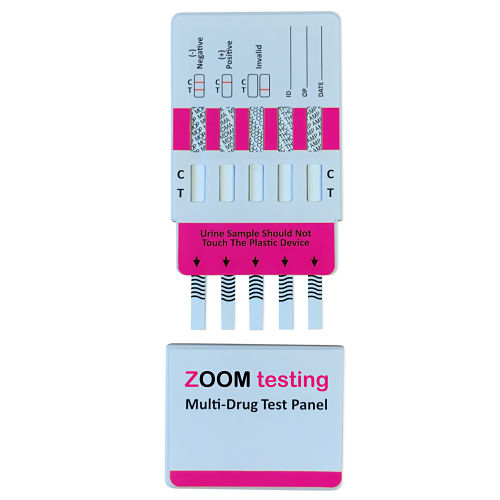
Take Action: This week’s developments underline why comprehensive workplace testing matters. Our multi-drug dip cards screen for cannabis, cocaine, opiates, amphetamines, and benzodiazepines—covering the substances highlighted in this digest and more.
What Customers Say
Kayleigh R, PCV Fleet Manager: “I bought these to test my PCV drivers—they worked very well. Delivery was fast and the team replied quickly to queries. Will be using them again and highly recommend.”
Michael M, Pre-Employment Testing: “I needed to take a test at work. The kit worked and was confirmed by the workplace test. Small price to pay for peace of mind!”
Joe S, Safety-Critical Workplace: “These have proven instrumental as part of a multi-stage, collaborative strategy of deterrence and prevention with positive results. Always reliable and easy-to-use.”
About the Author
Anthony Cunningham – Drug Testing Expert & Editor
Anthony Cunningham, BA (Hons), MA, is a UK-based drug testing expert and editor with over 20 years’ experience running Zoom Testing, a trusted source for accurate drug testing kits and testing guidance. He creates clear, evidence-based articles using UK legislation, workplace compliance standards, and harm reduction best practices. Where possible, content is reviewed by testing specialists and compliance professionals to enhance accuracy and reliability, helping readers make informed testing decisions.