About This Article
Zoom Testing has provided drug-testing products and guidance for more than 20 years. This article explains what new psychoactive substances are, their legal status in the UK and the risks associated with taking them.
Published: May 2018 | Last Updated: 20 September 2026 | By: Anthony Cunningham
Most young people will have learned the term “legal highs” from friends, at school or in the media. There is a great deal of information about “legal highs”, but the real questions are: what are they and are they really such a big deal? Let’s take a quick look and find out.
Contents
- Legal Highs, What Are They?
- The Rise Of Designer Drugs
- Why Is There So Much Interest In “Legal Highs”?
- Here Is Something You Should Know
- If You Feel You Are Being Pressured To Take A “Legal High”, Here Is Some Advice
Legal Highs, What Are They?
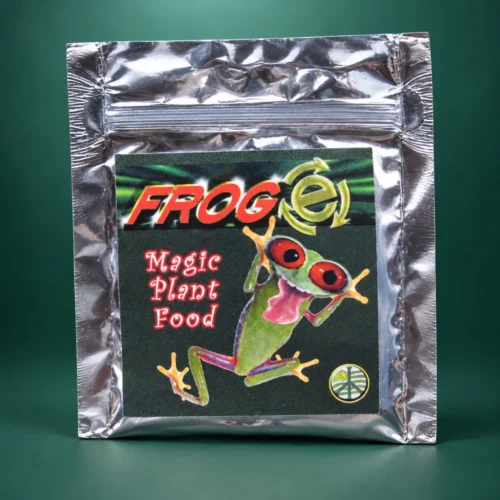
New psychoactive substances (NPS), formerly widely known as “legal highs”, are substances designed to produce effects similar to drugs such as ecstasy, cannabis and cocaine. The Psychoactive Substances Act 2016 made it illegal to produce, supply, offer to supply, import or export psychoactive substances for human consumption. Simple possession is not generally an offence under that Act outside a custodial institution, although possession may still be illegal where a substance is controlled under the Misuse of Drugs Act. The contents and strength of these substances can be unpredictable, and some have been linked to serious illness and death. You can read more about new psychoactive substances in our separate guide.
The Rise Of Designer Drugs
The world of “legal highs” is constantly evolving, with new substances popping up faster than lawmakers can keep up. These designer drugs are often created by tweaking the molecular structure of existing illegal substances, skirting the edges of legality.
Remember “bath salts”? They weren’t for your tub – they were synthetic stimulants that caused a media frenzy. Or how about “Spice,” the fake weed that’s anything but natural? These are just the tip of the iceberg.
The appeal? These substances have often been marketed as alternatives to controlled drugs, sometimes with claims that they will not be detected by standard drug tests. However, their ingredients can vary and no assumption should be made that an NPS cannot be detected.
So, next time you hear about the latest “legal” party pill, remember: legal doesn’t mean safe. Your body doesn’t care about laws – it cares about chemicals. And with designer drugs, you’re playing a dangerous guessing game.
Why Is There So Much Interest In “Legal Highs”?
There is still limited useful research into the effects of many new psychoactive substances on people. The long-term, medium-term and short-term effects may not be fully understood. Because of this, it is not always possible to provide precise advice about a particular named substance. However, there are some key facts that these substances commonly share:
- Just because possessing a drug may be legal does not mean it is safe.
- It has become increasingly clear that these substances are often far from harmless and can carry health risks comparable to drugs such as speed, ecstasy and cocaine. Some may also have additional harmful effects.
- The use of these substances carries risks including drowsiness, reduced inhibitions, coma, seizures, paranoid or excited states and the possibility of death.
- Using them with alcohol or other drugs can increase these risks.
- Just because a substance is sold as “legal” does not mean that it is. Some products have been found to contain one or more controlled drugs. You might believe that you are carrying a “legal high” that will not get you into trouble when it may contain something entirely different, including a Class B controlled drug.
Here Is Something You Should Know
Schools may search for, confiscate and dispose of prohibited substances in accordance with current Department for Education guidance and the school’s own behaviour and drugs policies. Mephedrone, also known by the street name “meow meow”, became a Class B controlled drug in 2010.
In 2021, the BBC reported that psychoactive substances such as Spice were becoming easier to purchase despite the ban introduced in 2016. This was partly attributed to the rise in dark web drug sales, which accelerated during the coronavirus pandemic.
If You Feel You Are Being Pressured To Take A “Legal High”, Here Is Some Advice
The first thing you need to know is that you are not alone! Sometimes it is easy to feel and think that you are the only person who has not experimented with illegal drugs or new psychoactive substances, but this is not so. In reality, most people in your age group do not take drugs, so you are in the majority. There are several issues that you need to establish for yourself. Where do you stand on issues such as alcohol, sex and drugs? It is easier to stay true to yourself when you know your own mind.
Clearly and firmly say “No”! You do not need to make a big deal about it, just stay firm. If your friends continue in their efforts to persuade you, stand strong; you do not have to follow the crowd, you are your own person. Although your friends may not be showing it, they will respect you more if you remain decisive and clear about what you want to do and what you don’t.
About the Author
Anthony Cunningham, BA (Hons), MA, is a UK-based drug testing expert and editor with over 20 years’ experience running Zoom Testing, a trusted source for accurate drug testing kits and testing guidance. He creates clear, evidence-based articles using UK legislation, workplace compliance standards, and harm reduction best practices. Where possible, content is reviewed by testing specialists and compliance professionals to enhance accuracy and reliability, helping readers make informed testing decisions.