About This Article
Zoom Testing has supplied drug testing kits to UK customers for nearly 20 years. This guide draws on our experience helping thousands of people understand drug testing, workplace compliance, and THC’s effects and detection. Always follow current UK legislation regarding drug testing.
Published: October 9, 2015 | Last Updated: November 27, 2025 | By Anthony Cunningham
Contents
What is THC?
Cannabis contains approximately 60 different psychoactive chemicals called cannabinoids. Of these THC or tetrahydrocannabinol, is the most important one. THC is the chemical responsible for most of the psychological effects of cannabis.
An individual’s behaviour is changed when THC binds to the receptors of nerve cells in certain parts of the brain. THC affects the areas of the brain that are most commonly linked to memory, time perception, thinking, coordination and pleasure.
THC vs CBD: What’s the Difference?
While THC is the main psychoactive compound in cannabis, CBD (cannabidiol) is another important cannabinoid that does not produce a “high”. THC is what causes the euphoric effects and impairment, whilst CBD is being researched for potential therapeutic benefits without intoxication. Drug tests typically screen for THC metabolites, not CBD.
How THC Affects the Brain
The stimulation of THC causes dopamine to be released by the brain, creating euphoria. At the same time, the hippocampus, the part of the brain charged with creating new memories, is also affected by the interference of THC.
Many people experience a pleasurable state of relaxation when using cannabis. THC works to increase the sensory experiences of taste, sound and colour.
The effects of THC normally last for a couple of hours, normally starting within 10 to 30 minutes of ingestion.
Hallucinations, changed thinking and delusions can all be caused by THC. Even when the “high” has subsided, a psychomotor impairment may still occur.
These effects of cannabis make it a popular drug. In fact, cannabis is the most widely used illegal drug of abuse in the UK. However, the effects of the drug on long-term mental health are a concern to many.
There is increasing evidence that individuals with serious mental illnesses, such as depression and psychosis, are more likely to be cannabis users or to have tried it for extended periods of time in the past. According to Talk to Frank, the UK’s national drugs information service, regular cannabis use has been linked to mental health issues, particularly in vulnerable individuals.
THC and Impaired Motor Skills
Driving under the influence of THC is a growing problem. After alcohol, THC is the second-most commonly used psychoactive substance that is found in drivers. This type of activity is referred to as “drug driving” and is highly dangerous as THC severely impairs motor skills.
It is generally accepted that cannabis may impair driving or similar tasks for approximately three hours after consumption. Under UK law, it is illegal to drive with certain drugs above specified limits in your blood. The Gov.uk drug driving legislation sets clear limits for THC, and police can conduct roadside drug tests.
⚠️ Drug Driving Warning
Drug driving is a serious offence in the UK. If you’re caught driving whilst impaired by cannabis, you face a minimum 12-month driving ban, an unlimited fine, up to 6 months in prison, and a criminal record. Many employers now include workplace drug testing policies that screen for THC.
How Much THC Is Present in Cannabis?
The amount of THC present in cannabis will affect its potency. When cannabis is cultivated as hemp, the amount of THC present is minimal, as little as less than 1 per cent. Naturally in the cannabis plant itself, the amount of THC ranges from 0.5-3%. In resin, the most commonly seen form of the drug in the UK, it is generally accepted that THC levels range from 5%-15%.
As stronger strains of cannabis have developed, the levels of THC have increased. A type of cannabis known as “skunk“, for example, has been recorded as having 2-3 times more THC than standard cannabis.
The rise in cannabis potency is a significant concern for health professionals. Modern cultivation techniques have produced strains with THC concentrations exceeding 20%, particularly in indoor-grown varieties. This high-strength cannabis poses greater risks for mental health problems and dependency, especially among young users.
The Effects of THC on the Developing Brain
Recent research has shown that regular cannabis use by teenagers can have long-lasting effects on brain development and mental health. The human brain continues to develop into the early 20s, and exposure to THC during this critical period can alter brain structure and function.
Studies using brain imaging have found differences in the volume and shape of certain brain regions between teens who use cannabis regularly and those who do not. Cannabis use in adolescence has been linked to increased risk for psychiatric disorders like depression, anxiety and psychosis later in life.
The effects seem to depend on factors like how much and how often cannabis is used. Teens who use cannabis daily or started at a younger age seem to be most affected. More research is still needed, but experts recommend delaying cannabis use at least until the late teens when brain development starts slowing down.
Critical Information for Parents
If you’re concerned about teenage cannabis use, early intervention is crucial. Regular use during adolescence can affect:
- Memory and learning ability
- Emotional regulation and mental health
- Academic performance and motivation
- Long-term risk of dependency
Home drug testing can provide peace of mind and help support conversations about cannabis use. Many parents use drug testing kits for cannabis as both a deterrent and monitoring tool.
Medical Uses of THC
In addition to its recreational use, THC has shown potential medical benefits. THC can help treat nausea and vomiting, particularly in cancer patients undergoing chemotherapy. Synthetic THC medications like dronabinol (Marinol) and nabilone (Cesamet) are FDA-approved for this purpose.
THC may also improve appetite and prevent weight loss in people with HIV/AIDS. More research is being done on THC’s ability to reduce pain, inflammation and muscle control problems in multiple sclerosis.
However, THC medications have downsides like dizziness, poor concentration and drowsiness. More research is underway to develop cannabinoid-based medications with fewer side effects for managing chronic pain, epilepsy, PTSD and other conditions.
In the UK, medical cannabis products containing THC are available on prescription for specific conditions, but access remains limited and tightly regulated by healthcare professionals.
Safety and Drug Interactions
While THC offers potential benefits, you’ll need to be smart about mixing it with other substances. Ever tried taking cold medicine and coffee together? THC interactions can be even trickier. It doesn’t play nice with alcohol – combining the two can make you feel dizzy or nauseated, and your judgement goes right out the window.
Prescription medications pose another challenge. Blood pressure meds, antidepressants, and anti-anxiety drugs might not work properly when THC joins the party. For instance, mixing THC with certain antidepressants could send your blood pressure on a roller coaster ride.
Wondering about vitamins and supplements? Even seemingly harmless herbs like St. John’s Wort can amplify THC’s effects. Here’s a pro tip: before trying THC for medical purposes, have a chat with your doctor about what’s in your medicine cabinet. They’ll help you navigate potential interactions and keep you safe.
How THC Tolerance Develops
With regular cannabis use over time, people can develop tolerance to the effects of THC. This means they need increasingly larger doses to get the same psychoactive effects.
Studies show that THC tolerance develops rapidly during daily cannabis administration. People who use cannabis daily may develop complete tolerance after just a few days.
THC tolerance is thought to result from changes in cannabinoid receptors in the brain. When THC binds these receptors, they become less responsive. The number of receptors also decreases with frequent cannabis exposure.
Tolerance goes away after stopping cannabis use for a few days. But heavy users may not see full sensitivity restored for several weeks of abstinence. Understanding the mechanisms of THC tolerance can help guide medical cannabis dosing.
Testing for THC
THC and its metabolites can be detected in the body for varying lengths of time depending on frequency of use, metabolism, and body composition. Understanding detection times is important whether you’re facing a workplace drug test, preparing for a pre-employment screening, or simply wanting to know when your system will be clear.
For occasional users, THC can typically be detected in urine for 3-5 days after use. Regular users may test positive for 10-15 days, whilst heavy daily users can show positive results for 30 days or longer. Body fat plays a significant role in detection times, as THC is stored in fat cells and released slowly over time.
Different testing methods have different detection windows. Saliva tests can detect recent cannabis use (typically within 24-72 hours), making them popular for roadside drug testing. Blood tests show active THC and are used primarily to prove current impairment. For complete information on detection times and factors affecting them, see our comprehensive guide on how long cannabis stays in your system.
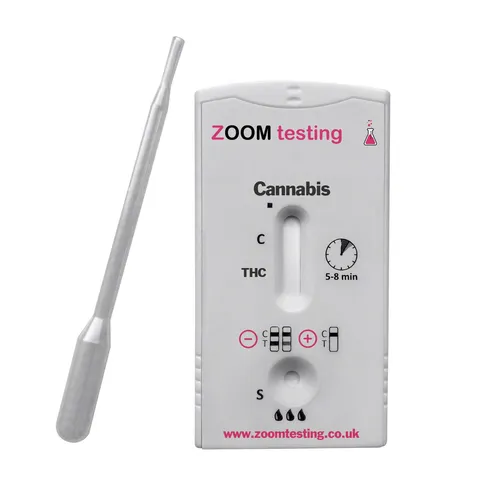
Take Action: Test for Cannabis (THC) at Home
Whether you’re preparing for a workplace drug test, monitoring teenage cannabis use, or checking your system is clear before a screening, our cannabis urine drug test provides fast, accurate results in the privacy of your home. Results in just 5 minutes.
Why Home Drug Testing Matters
Home drug testing for THC serves several important purposes. Parents concerned about teenage drug use can monitor without confrontation. Job seekers can verify they’ll pass pre-employment screening. Individuals on probation or in recovery programmes can self-monitor their progress.
Modern urine drug tests for cannabis are highly accurate and use the same technology as laboratory tests. They detect THC-COOH, the main metabolite that remains in the body after THC is processed. The tests are designed to meet UK workplace drug testing standards and provide reliable results you can trust.
What Customers Say
Julian R. – Verified Purchase ⭐⭐⭐⭐⭐
“Very simple and straightforward test to use, just follow the instructions that come with the cannabis test and you will soon see a clear positive or negative test result. Bought this kit as I am applying for jobs where I know that I will be tested for drugs as part of the selection process… Finally, about a week later the test for THC came back as negative, which was a massive relief! Great service from Zoom Testing – quick delivery and very discreet service and packaging.”
Wayne R. – Verified Purchase ⭐⭐⭐⭐⭐
“With a drug test coming up at work, I took a month off from smoking. I bought this cannabis test to see if my system was clear of the drug. As it turned out, the test was negative, which was a huge relief to me. The lab test which I then had to do at work also came up negative. I guess that shows that these cannabis tests are fairly reliable. The test was shipped quickly to my home address in a plain jiffy bag, so nobody knew what was inside.”
Emma P. – Verified Purchase ⭐⭐⭐⭐⭐
“These tests were spot on with my son, worked well and very easy to do.”
UK Legal Status of Cannabis
Cannabis remains a Class B controlled substance under the Misuse of Drugs Act 1971. Possession can result in up to 5 years in prison, an unlimited fine, or both. Supplying or producing cannabis carries even harsher penalties of up to 14 years imprisonment.
Despite its illegal status for recreational use, medical cannabis was legalised in the UK in November 2018 for specific conditions when prescribed by a specialist doctor. However, access remains limited, and the vast majority of cannabis use in the UK remains illegal.
The changing legal landscape in other countries has not altered UK law, and travellers should be aware that bringing cannabis into the UK, even from countries where it is legal, remains a serious criminal offence.
About the Author
Anthony Cunningham – Drug Testing Expert & Editor
Anthony Cunningham, BA (Hons), MA, is a UK-based drug testing expert and editor with over 20 years’ experience running Zoom Testing, a trusted source for accurate drug testing kits and testing guidance. He creates clear, evidence-based articles using UK legislation, workplace compliance standards, and harm reduction best practices. Where possible, content is reviewed by testing specialists and compliance professionals to enhance accuracy and reliability, helping readers make informed testing decisions.