
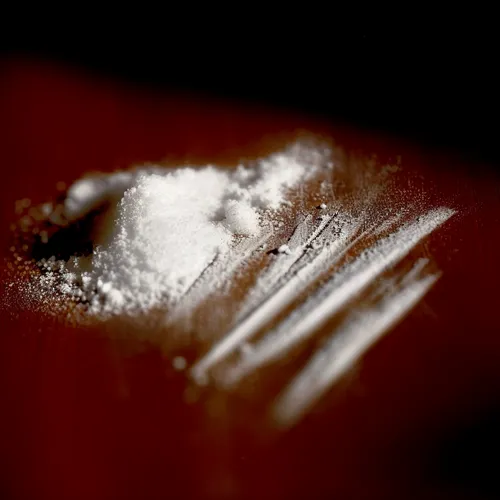
Cocaine is powerfully addictive. As a stimulant that directly affects your brain, it produces an intense ‘high’ feeling. Whether called crack or coke, many wonder how long it remains detectable in the body after use. Understanding detection times is crucial for workplace testing, personal health decisions, and legal compliance.
About This Article: Zoom Testing has supplied drug testing kits to UK customers for nearly 20 years. This guide draws on our experience helping thousands of people understand drug testing, workplace compliance, and cocaine detection. Always follow current UK legislation regarding drug testing.
Contents:
Cocaine Detection Times at a Glance
| Test Type | Detection Window | For Heavy Users |
| Urine | 3–5 days | 10–14 days |
| Saliva | 24–48 hours | Up to 48 hours |
| Hair | Up to 90 days | Up to 90 days |
Note: Detection times vary based on individual metabolism, amount used, and purity of the substance.
What Is Cocaine?
Scientifically known as benzoylmethylecgonine, cocaine is strictly regulated for medical purposes due to its ability to act as a local anaesthetic. By the early 1900s, it became the main stimulant used to treat various ailments. Due to its powerful effects on the body, cocaine has been used illicitly for many years. In fact, it’s the second most commonly used illegal drug in the UK.
Different Types of Cocaine
Different chemical processes produce different forms of cocaine. Powdered cocaine is cocaine hydrochloride salt, commonly known as ‘coke’, and is typically absorbed into the body by snorting or injecting with a syringe after dissolving the powder. Crack cocaine, by contrast, is when cocaine is in ‘freebase’ form (a compound not neutralised by an acid) and is smoked.
The Effects of Cocaine
When cocaine enters your body, it travels through the bloodstream to the brain. Cocaine inhibits the reabsorption of neurotransmitters—chemical receptors in the brain normally used to communicate signals between nerve cells. This causes a buildup of neurotransmitters along the brain tissue between nerves, producing a euphoric sensation.
Users typically feel high, alert, and energised. However, when the effect wears off (usually within a couple of hours), the experience reverses dramatically. Many report irritability, restlessness, and depression far worse than before use. Heavy smoking of cocaine puts considerable strain on the heart, lungs, and brain, and can cause sudden death.
How Long Does Cocaine Stay in Your System?
It is a common misconception that cocaine is metabolised out of your body within a couple of days. In reality, how long cocaine remains in your system depends on several factors, and detection times can vary significantly between individuals.
The timeframe also depends on how much cocaine has been consumed. The higher the amount used, the longer it typically takes for the body to eliminate it completely. Additionally, chronic users may show detectable levels for longer periods than occasional users.
Factors Affecting Detection Times
Several individual and circumstantial factors influence how long cocaine remains detectable in your body:
Amount of Drug Consumed
Larger doses take longer to metabolise. A single use of a small amount may clear in a few days, whereas heavy or repeated use can extend detection windows significantly.
Frequency of Use
How frequently cocaine is being taken plays a major role. Occasional users will clear the drug faster than chronic users, whose systems accumulate metabolites over time.
Individual Body Composition
Body weight and height affect metabolic rate. Individuals with higher body fat percentages may retain cocaine metabolites longer, as some accumulate in fatty tissue.
Overall Metabolism Rate
An individual’s level of physical activity and overall health status determine metabolic speed. Those with faster metabolisms typically clear substances more quickly.
Hydration and Kidney Function
Proper hydration and healthy kidney function can affect detection times in urine tests. Dehydration can concentrate metabolites and potentially extend detection windows.
Purity of the Cocaine
Street cocaine is often adulterated with other substances. The purity and composition can affect how the drug is metabolised and how long metabolites remain detectable.
Drug Testing Methods for Cocaine Detection
There are several types of drug tests used to detect cocaine. The most commonly used tests screen urine or saliva for the drug. Each method has different detection windows and is suited to different situations.
Urine Drug Tests
Urine testing is the most commonly used method for cocaine detection because the detection window is significantly longer than other methods. When urine is screened for cocaine, laboratories actually measure benzoylecgonine, a primary metabolite of cocaine.
The widely accepted detection period for benzoylecgonine in urine is 3 to 5 days after cocaine use. However, for chronic and heavy users of cocaine, one study suggested that benzoylecgonine can be detected for 10–14 days or longer.
Urine drug tests for cocaine are available as single drug test kits and as part of multi-drug test panels such as the Zoom Testing 7 Panel Drug Test Kit.
Saliva Drug Tests
Saliva tests are becoming more common in workplace settings as they are non-invasive and harder to adulterate. Cocaine can typically be detected in saliva for 24 to 48 hours after the last use.
As with urine tests, this timeframe can vary depending on a person’s metabolism, as well as the amount and purity of the cocaine consumed. Saliva drug test kits that detect cocaine are available, including the 12 Panel T-Square Oral Fluid Saliva Drug Test Kit and the 3 in 1 Saliva Drug Test.
Hair Drug Tests
Hair testing offers the longest detection window, with cocaine detectable for up to 90 days after use. Hair tests are less common for routine screening but are sometimes used in legal or custody situations due to their long detection period. For more information, see our guide on Fingerprint Drug Tests For Cocaine and Heroin.
Workplace Testing & Legal Considerations
In the UK, employers have the right to conduct drug testing under certain circumstances, provided they follow appropriate procedures and comply with employment law. For detailed guidance on workplace drug testing procedures and employee rights, refer to ACAS (Advisory, Conciliation and Arbitration Service) guidance.
Most workplace tests use urine screening due to the longer detection window, which is typically 3–5 days. For more detailed information, see How to Test for Cocaine in the Workplace.
Combining Cocaine with Alcohol
Mixing cocaine with another drug, such as alcohol, is common among people who use the substance. However, polysubstance use is never a good idea, and the combination of cocaine and alcohol is particularly dangerous.
The mixing of these two drugs produces a further toxic chemical called cocaethylene, or ethylbenzoylecgonine. This chemical is much more toxic than cocaine alone and has a longer half-life. When this substance is present in the body, additional stress is placed upon the heart and liver for extended periods. Some drug users may then show stronger reactions that can result in aggressive or violent behaviour.
Importantly, cocaethylene can also extend detection times in drug tests. Users combining cocaine and alcohol may test positive for longer periods than those using cocaine alone.
Long-Term Effects of Cocaine Abuse
Despite its party drug reputation, cocaine is incredibly destructive when used regularly. Over time, snorting or smoking crack can lead to severe medical complications, including:
Physical Health Effects
- Cardiovascular problems such as irregular heartbeat, heart attacks, and stroke
- Respiratory distress and lung damage
- Intestinal issues including nausea, abdominal pain, and increased risk of bowel damage
- Neurological impacts such as seizures, headaches, and increased stroke risk
- Risk of contracting HIV, hepatitis, or other infectious diseases (particularly from shared needles)
Frequent cocaine use also takes a significant psychological toll, potentially causing:
Psychological Effects
- Paranoid psychosis and delusional thoughts
- Severe mood swings and emotional instability
- Problems with attention, decision-making, and memory
- Increased anxiety, depression, and suicidal thoughts
The temporary high is fleeting, but the damage caused by cocaine addiction can persist for life.
Seeking Help for Cocaine Addiction
If you or a loved one is struggling with cocaine use, it is important to know you don’t have to go through it alone. Substance abuse is a recognised health condition, not a moral failing, and countless resources are available to help you get clean and regain control of your life.
Reach out to a counsellor, therapist, or addiction specialist to explore rehabilitation programmes, support groups, and treatment plans tailored to your situation. Talk to Frank provides confidential drug information and support for the UK.
While getting sober is undoubtedly challenging, thousands have walked that path and reclaimed their lives from cocaine addiction. With patience, perseverance, and the right support system, you can overcome this and build a healthier, happier future.
Accurate Cocaine Drug Testing at Home
If you need to test for cocaine use—whether for personal health reasons, workplace compliance, or peace of mind—Zoom Testing’s cocaine drug test kits deliver rapid, accurate results. Our tests are 99% accurate and provide results in just 5 minutes.
What Our Customers Say
★★★★★ “Tests are absolutely perfect, work instantly. They are every bit as good as the police road side tests.”
— Anonymous (verified owner), February 2022
★★★★★ “Very speedy, discreet service. An excellent company to buy from. Thank you once again.”
— Julie (verified owner), August 2024
★★★★★ “Excellent service, great product and great fast delivery. I would highly recommend.”
— Ian F. (verified owner), December 2022
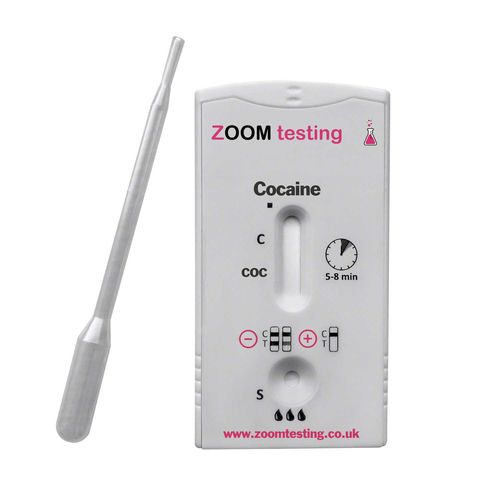
Need accurate cocaine test results in 5 minutes? Our cocaine drug test kits are 99% accurate, easy to use, and delivered discreetly. Available for individual testing or multi-panel options.
About the Author
Anthony Cunningham – Drug Testing Expert & Editor
Anthony Cunningham, BA (Hons), MA, is a UK-based drug testing expert and editor with over 20 years’ experience running Zoom Testing, a trusted source for accurate drug testing kits and testing guidance. He creates clear, evidence-based articles using UK legislation, workplace compliance standards, and harm reduction best practices. Where possible, content is reviewed by testing specialists and compliance professionals to enhance accuracy and reliability, helping readers make informed testing decisions.
Originally published: 2022 | Last updated: November 14, 2025
You May Also Like
Related Articles:
• Drug Test Cut-off Levels for Cocaine
• What Are Cocaine and Crack?
• Benzoylecgonine Drug Testing
• How To Test for Cocaine in the Workplace
• Drug Detection Times for Cocaine in Saliva
• Fingerprint Drug Tests For Cocaine and Heroin




© Zoom Testing 2025. All rights reserved. For support or questions about our drug testing products, visit our website.