About This Article
Zoom Testing has provided drug testing kits and guidance for more than 20 years. This article explains how cocaine is detected in saliva, typical detection periods and factors affecting oral fluid test results.
Published: 12 April 2024 | Last Updated: 10 October 2026 | By: Anthony Cunningham
What is a Saliva Drug Test?
Saliva drug tests are a quick and easy way to test for drugs. They can be used in the workplace, at home, or even at an event. The saliva drug test is so simple to use that it can be completed in only three minutes.
A saliva drug test is a rapid and convenient way for employers to screen potential employees for illegal drugs during pre-employment screenings, as well as during random drug testing procedures. It also provides a quick and accurate method of screening existing employees who may have been using drugs outside of work hours.
Saliva tests are also popular among private individuals who want to check if they are using any substances that could be harmful to their health or even if they have been drinking alcohol while driving or operating heavy machinery.
An oral fluid drug test kit is an effective tool for detecting the presence of cocaine in saliva. It is a rapid, non-invasive, and easy-to-use alternative to blood and urine tests. These tests are often used as the first choice method for workplace drug testing. Cocaine is a drug that will appear on most multi-panel drug tests due to its frequent use as a recreational drug. In the UK, cocaine is a Class A drug.
Drug Detection Times for Cocaine in Saliva
The detection period for cocaine in saliva depends on the amount present and the cut-off used by the test. Concentrations are measured in nanograms per millilitre (ng/mL). Some oral fluid tests use a cocaine cut-off of 20 ng/mL, but this is not a universal international standard. Always check the specification for the particular test.
Oral fluid drug detection times can vary depending on a number of factors such as:
- How long it has been since the person last used drugs
- How much cocaine was consumed
- What type of drug test was used
Using a saliva drug test, such as the Zoom Testing 3-in-1 saliva drug test kit, cocaine may typically be detectable for around 1–2 days after last use, although actual detection times vary and may be shorter or longer.
Detecting Cocaine Through Saliva Testing
Have you ever wondered how saliva drug tests are able to detect cocaine use? It’s a fascinating process that relies on some interesting science. Let’s take a closer look.
When someone ingests cocaine, the drug enters the bloodstream and circulates throughout the body. Cocaine is able to cross from the blood into other bodily fluids like saliva. As the cocaine metabolites are expelled through the salivary glands, they end up in your mouth’s saliva.
Cocaine and its metabolites, including benzoylecgonine, may be detected in oral fluid. Their concentrations do not necessarily match blood plasma concentrations, and a saliva screening result cannot establish the precise amount consumed or time of use.
But how does the saliva test actually pick up on the presence of cocaine? Most saliva drug tests use an immunoassay method. This technique relies on antibodies that are designed to bind only to specific drugs or drug metabolites.
For example, a test may use antibodies that respond to cocaine or a specified metabolite. On many competitive lateral-flow tests, a presumptive positive result is indicated by the absence of a test line when the control line is present. Follow the instructions for the particular kit, as result interpretation can vary.
What Factors Influence Cocaine Detection Times?
The window of time that cocaine can be detected in saliva depends on several variables. Obviously, higher doses of cocaine tend to remain in the system longer than small amounts. Frequent or chronic cocaine use also increases detection times.
An individual’s metabolism and body chemistry play a role too. People with faster metabolisms may clear cocaine from their bodies quicker compared to slower metabolisers. Age, weight, health status, and other factors influence metabolism rates.
The form of cocaine used and the route of administration can affect the initial amount present in oral fluid. However, these factors do not provide a reliable way to predict an individual detection window.
Lastly, testing methods can affect detection periods. Different saliva tests use different cut-off levels, and a more sensitive test may detect lower concentrations. The relevant threshold must be checked against the particular kit or testing programme.
Saliva Testing Advantages for Cocaine Detection
While urine testing is more common for workplace drug screening programmes, saliva tests offer some key benefits over traditional urine tests:
- Less invasive sample collection process
- Harder to substitute or adulterate the sample
- Detects recent drug use better than urine tests
- Extremely fast results, often in 5–10 minutes
- Tests conducted easily on-site without special facilities
For situations where rapid screening for recent cocaine use is needed, saliva testing provides a convenient option. A screening result should not be treated as conclusive evidence without appropriate confirmation where the consequences are significant.
The science behind saliva testing for cocaine continues to develop. Changes in test sensitivity may affect what can be detected, but the detection window still depends on the test and the individual circumstances.
Drug Detection Times for Drugs in Saliva
The table below contains approximate examples of detection periods and cut-offs associated with different oral fluid screening tests. These figures are not universal standards or guaranteed detection windows. Alcohol breath or blood alcohol concentration (BAC) values are not directly comparable with saliva drug cut-offs.
| Name of Drug | Code | Detection Period | Cut-off |
|---|---|---|---|
| Alcohol | ALC | Real time | 0.02% BAC |
| Amphetamines | AMP | 2–3 days | 50 ng/mL |
| Benzodiazepines | BZO | 2–3 days | 50 ng/mL |
| Buprenorphine | BUP | 2–3 days | 10 ng/mL |
| Cannabis | THC | 8–12 hours | 12 ng/mL |
| Cocaine | COC | 1–2 days | 20 ng/mL |
| Cotinine | COT | 1–2 days | 20 ng/mL |
| Ecstasy | MDMA | 2–3 days | 50 ng/mL |
| Methadone | MEP | 8–12 hours | 30 ng/mL |
| Methamphetamine | mAMP | 2–3 days | 50 ng/mL |
| Opiates | OPI | 7–21 hours | 40 ng/mL |
| Oxycodone | OXY | 2–3 days | 50 ng/mL |
| Phencyclidine | PCP | 12–24 hours | 10 ng/mL |
| Spice (Synthetic Cannabis) | K2/Spice | Up to 48 hours | 25 ng/mL |
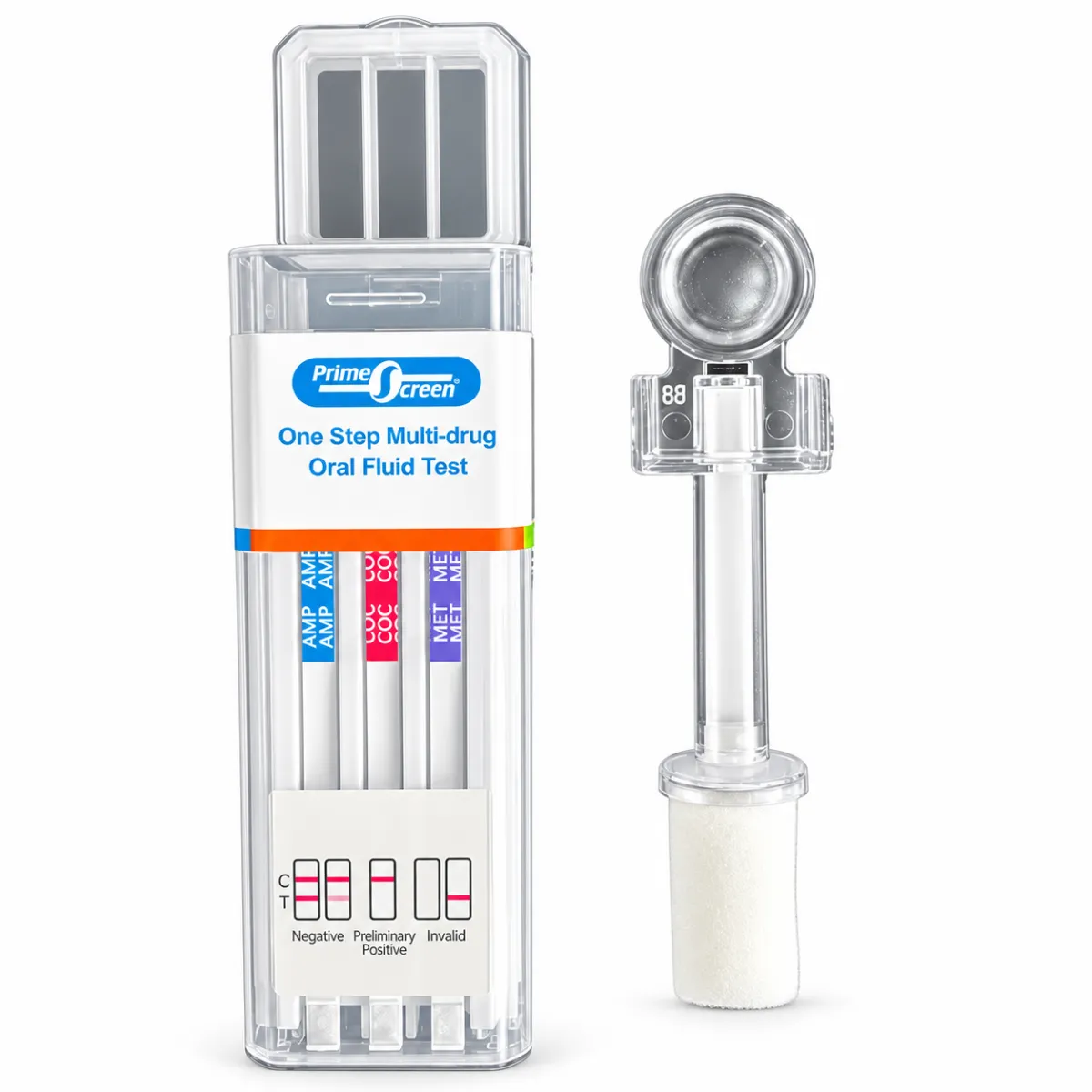
Featured Product: 12 Panel T-Square Oral Fluid Saliva Drug Test Kit
This oral fluid kit screens for cocaine and other substances. See the 12 Panel T-Square test product page for the current panel, cut-offs and instructions.
Detecting Cocaine and More with a 12 Panel Saliva Drug Test
The 12 Panel T-Square Oral Fluid Saliva Drug Test Kit from Zoom Testing screens for cocaine alongside other substances. The substances included and the cut-offs used should be checked against the current product instructions.
The multi-panel format can be useful where screening for several drug groups is required. Results should be interpreted in line with the manufacturer instructions and the purpose of the testing programme.
The 12 Panel T-Square Oral Fluid Saliva Drug Test Kit is described as a Wondfo product. Performance, cut-off levels and instructions should be checked against the current manufacturer documentation. A positive screening result may require laboratory confirmation.
Zoom Testing supplies oral fluid drug testing kits for home and workplace screening. Check the current product information to ensure that the selected test is suitable for the intended use.
About the Author
Anthony Cunningham, BA (Hons), MA, is a UK-based drug testing expert and editor with over 20 years’ experience running Zoom Testing, a trusted source for accurate drug testing kits and testing guidance. He creates clear, evidence-based articles using UK legislation, workplace compliance standards, and harm reduction best practices. Where possible, content is reviewed by testing specialists and compliance professionals to enhance accuracy and reliability, helping readers make informed testing decisions.
Drug Testing Disclaimer
This article is for general information only. Drug test cut-off levels, detection times and results can vary according to the test, specimen type and testing standard being used. A screening result should not be used on its own to make medical, legal or employment decisions. Where a test result has significant consequences, appropriate confirmation testing and professional advice should be considered.