About This Article
Zoom Testing has over 20 years’ experience supplying drug testing kits and testing guidance. This article looks at the RFU’s 2017-18 illicit-drugs testing figures and the distinction between that programme and anti-doping violations.
Published: 5 May 2019 | Last Updated: 3 October 2026 | By: Anthony Cunningham
During the 2017-18 season, there were four positive drug tests for cocaine among Premiership rugby players and the Rugby Football Union (RFU) pointed to societal trends as part of the background to this increase in drug use.
When you compare this to the prior 2016-17 campaign, this was an increase of three cases.
At the time, the RFU highlighted increased social exposure to illicit drugs among younger adults as a concern.
In their efforts to protect the game, the RFU realises that they must endeavour to have a drugs policy which protects the game, but that understands that recreational drug use in society is becoming increasingly mainstream.
The Reality of Drug Tests in Rugby
In discussing these cases, the RFU noted that players were already disconnected in their clubs, before they had a positive test result for recreational drug use. The positive results weren’t usually from starters or those who were training on a regular basis. The positive test results were from players who were in some way disconnected from their clubs via injury or not being selected.
To help those that had failed drug tests in rugby, an independent specialist psychiatrist reviewed the players and came up with an ongoing plan to tackle any problems.
The RFU operated an illicit drugs programme separate from the World Anti-Doping Agency (WADA) anti-doping framework. Throughout the 2017-2018 season, they did 332 tests and hair samples accounted for 94% of the tests. Hair-test detection periods depend on the sample length and testing method, rather than a universal 3-5 month window.
Under the programme at that time, the first offence for players was handled anonymously. Even so, first offenders were fined and had to go through a rehabilitation programme.
Separately, when they failed their tests due to anti-doping violations, players Brandon Staples of Yorkshire Carnegie and Ashley Johnson of Wasps were made public.
Johnson got a six-month suspension in 2018, which was back-dated, for using a banned diuretic. Staples got a four-year ban in April 2018 for a positive steroid test.
The figures discussed here relate to the RFU’s 2017-18 programme and should not be read as representing current rates of illicit drug use in professional rugby.
Cocaine remains prohibited in competition under WADA’s Prohibited List.
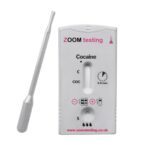
Featured Product: Cocaine Drug Test (COC)
The Cocaine Drug Test (COC) is a single-use urine screening test intended for professional use. It is a different testing method from the hair testing discussed above and does not replace an official sports anti-doping test.
About the Author
Anthony Cunningham: Drug Testing Expert & Editor
Anthony Cunningham, BA (Hons), MA, is a UK-based drug testing expert and editor with over 20 years’ experience running Zoom Testing, a trusted source for accurate drug testing kits and testing guidance. He creates clear, evidence-based articles using UK legislation, workplace compliance standards, and harm reduction best practices. Where possible, content is reviewed by testing specialists and compliance professionals to enhance accuracy and reliability, helping readers make informed testing decisions.
Drug Testing Disclaimer
This article is for general information only. Drug test cut-off levels, detection times and results can vary according to the test, specimen type and testing standard being used. A screening result should not be used on its own to make medical, legal or employment decisions. Where a test result has significant consequences, appropriate confirmation testing and professional advice should be considered.