About This Article
Zoom Testing has supplied drug testing kits to UK customers for nearly 20 years. This guide draws on our experience helping thousands of people understand drug testing, workplace compliance, and synthetic cathinones. Always follow current UK legislation regarding drug testing.
Published: January 9, 2015 | Last Updated: February 14, 2026 | By Anthony Cunningham
In This Article
Synthetic Cathinones is the collective name for a growing group of drugs that are related to cathinone, a stimulant drug that occurs naturally in the khat plant and that has similar amphetamine-like effects.
What Are Synthetic Cathinones?
Synthetic Cathinones are often called by the group name “Bath Salts“. The three most often found synthetic cathinones in bath salts are:
- Mephedrone (also known as MCat, Drone, Meph or Meow Meow)
- 3,4-methylenedioxypyrovalerone (MDPV)
- Methylone
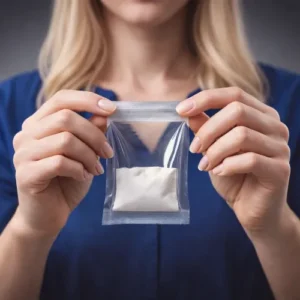
Bath salts most often are sold in the form of a crystalline powder that is either brown or white in colour. The packaging is normally a small foil or plastic packet and may be marked as “plant food”, “jewellery cleaner” or “phone screen cleaner”. Various street names are used to market synthetic cathinones, including Bloom, Cloud Nine, Ivory Wave, Legal X, Ocean, Snow and White Lightning.
The European Union Drugs Agency (EUDA) classifies synthetic cathinones as one of the largest groups of new psychoactive substances (NPS) monitored in Europe. New variants continue to appear on the market regularly.
How Are Synthetic Cathinones Taken?
Synthetic Cathinones are normally taken orally. They can also be inhaled, or injected. They are stimulant drugs that are close to amphetamines and ecstasy (MDMA) in their chemical make up. Users take the drugs in order to experience euphoria, increased sociability and a heightened sex drive.
There are various health risks associated with taking synthetic cathinones. Paranoia, agitation, and hallucinatory delirium are known side effects. Sometimes this leads to violent and psychotic behaviour. A number of deaths after using the drug have also been reported.
Synthetic cathinones share many characteristics with other stimulant drugs. If you want to understand how they compare to other substances, our guide to About Ecstasy; And How to Keep Yourself Safe covers the risks of MDMA and related drugs.
Synthetic Cathinones and the Law
More and more countries are outlawing the use and possession of Synthetic Cathinones, however new variants of these types of drugs are constantly appearing in order to try and keep one step ahead of the law.
In 2010, Mephedrone was banned in the UK and classified as a Class B drug under the Misuse of Drugs Act 1971. However, as soon as Mephedrone was outlawed, another drug started to appear called naphyrone. This drug was marketed as “jewellery cleaner” and sold in packets calling the product “Cosmic Blast.”
The UK Government took further action in 2016 with the Psychoactive Substances Act 2016. This legislation made it an offence to produce, supply, or possess with intent to supply any substance that produces a psychoactive effect. Rather than listing individual substances, the Act uses a blanket ban approach. This means that even newly created synthetic cathinone variants are automatically covered, closing the loophole that manufacturers had previously exploited.
According to Talk to Frank, the UK Government’s drug information service, possession of cathinones can result in up to 5 years in prison, an unlimited fine, or both. Supplying someone else can lead to up to 14 years in prison.
Mephedrone is one of the most well-known synthetic cathinones. Our article Does Meow Meow Show Up on a Drug Test? explains how mephedrone can be detected through drug testing.
Health Risks
Taking synthetic cathinones can lead to a number of serious health issues. Common physical side effects include:
- Increased heart rate and blood pressure
- Dilated pupils
- Seizures
- Sweating and chills
- Headaches
- Chest pain
In addition to the physical effects, synthetic cathinones can also cause:
- Paranoia and anxiety
- Agitation and aggressiveness
- Hallucinations and psychosis
- Suicidal or self-harming thoughts
These mental health effects may be short-lived, but can also turn into long-term psychiatric problems like depression and psychosis. There have been a number of suicides linked to synthetic cathinone use.
The chemicals in synthetic cathinones vary, so it is difficult to determine a safe dosage. Even a small amount can trigger heart problems, seizures, or delirium. Taking moderate or large doses repeatedly or in combination with other drugs dramatically increases the risks.
Synthetic cathinones also share similarities with synthetic cannabinoids, another group of new psychoactive substances that carry unpredictable health risks.
Addictiveness
Many synthetic cathinones have a high potential for abuse and addiction. Some users report strong cravings after just one use. With repeated use over weeks or months, a strong psychological and physical dependence can develop.
Withdrawal symptoms include:
- Depression
- Anxiety and agitation
- Intense drug cravings
- Fatigue
- Inability to feel pleasure
The depressed mood and cravings can last for weeks after quitting. This makes it very difficult to stop using the drugs without professional treatment and support.
Unknown Contents
One of the biggest dangers with synthetic cathinones is that their contents are frequently mislabelled or unclear. Products may contain different concentrations of chemicals than stated on the package. Others may include additional untested stimulants or contaminants.
This unpredictability significantly increases the risk of overdose. It is impossible for users to know the true strength and effects of any given batch. Even taking a small “test dose” is not safe, as potency can vary widely.
This is one reason why drug checking matters. Reliable drug testing can help identify unknown substances and reduce harm.
Another emerging group of synthetic cathinones includes substances like N-Ethylnorpentylone, sometimes called “the new Chinese Ecstasy”, which has appeared in the UK drug supply as a substitute for MDMA.
Testing for Synthetic Cathinones
Because synthetic cathinones are chemically similar to amphetamines and MDMA, many multi-panel drug tests can detect them. Saliva drug testing is a popular choice for both workplace and home use because it is non-invasive, quick to administer, and difficult to tamper with.
A 12-panel saliva drug test screens for a broad range of commonly abused substances in a single test. This makes it particularly useful when you suspect someone may be using synthetic cathinones alongside other drugs, which is a common pattern. Results are typically available within minutes, giving you a clear positive or negative reading.
For more information on the advantages of oral fluid testing, see our guide to What Is Saliva Drug Testing?
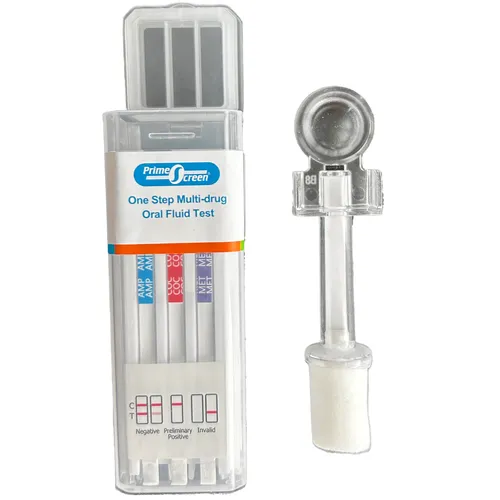
Take Action: The 12 Panel T-Square Oral Fluid Saliva Drug Test Kit screens for 12 commonly abused substances in just 5 minutes. Non-invasive, accurate, and FDA approved. Ideal for home use and workplace testing.
What Customers Say
★★★★☆ Joseph – July 2015
“I wanted to test for a number of drugs at the same time. Being rather bewildered by the wide choice of tests available, I went for this one. Glad I did – very simple to use and results were quick and clear. Recommend.”
★★★★★ Sarah H – May 2015
“The kits arrived very quickly and with full instructions. Test itself was easy to use and I would recommend this item to any parent in a similar situation to me. Results of the test give a clear positive or negative.”
★★★★★ Jason – September 2020
“I needed a comprehensive drug test kit and this is the biggest one that I could find. Price was very reasonable and the test arrived quickly. Easy to use product, clear instructions. Results were quick and simple to interpret.”
Getting Help
The powerful addictive potential of synthetic cathinones means quitting requires professional treatment. Withdrawal symptoms are often severe enough to prevent someone from stopping on their own.
Options for help include:
- Residential rehab – intensive, live-in addiction treatment away from temptations and drug access
- Outpatient rehab – regular therapy sessions while living at home
- 12-step programs like Narcotics Anonymous provide peer support for maintaining sobriety
- Cognitive behavioural therapy (CBT) helps users change unhelpful thought patterns around drug use
- Medications can ease withdrawal symptoms or reduce cravings
With professional help and social support, it is possible to overcome synthetic cathinone addiction. The sooner treatment starts, the better the long term outlook typically is.
If you or someone you know is struggling with drug use, you can contact Talk to Frank on 0800 77 66 00 for free, confidential advice 24 hours a day.
Prevention
The most effective way to avoid problems with synthetic cathinones is simply not to use them. Their effects are unpredictable and carry serious health risks. Many users report that the temporary high is not worth the side effects and potential for addiction.
For those who do choose to take synthetic cathinones, following harm reduction principles can help minimise risks:
- Avoid mixing with alcohol or other drugs
- Start with a small test dose and increase slowly
- Never take alone – have someone sober available to help if needed
- Buy from trusted sources and test contents if possible
- Avoid injection – insufflation or swallowing is safer
However, with unknown potency and makeup, there is no completely safe way to use synthetic cathinones recreationally. Abstinence is the only sure way to prevent harm.
Workplace drug testing programmes are another important prevention tool. Regular testing acts as a strong deterrent and helps identify employees who may need support. Learn more about how testing fits into a broader workplace strategy in our guide to Workplace Drug Testing.
About the Author
Anthony Cunningham – Drug Testing Expert & Editor
Anthony Cunningham, BA (Hons), MA, is a UK-based drug testing expert and editor with over 20 years’ experience running Zoom Testing, a trusted source for accurate drug testing kits and testing guidance. He creates clear, evidence-based articles using UK legislation, workplace compliance standards, and harm reduction best practices. Where possible, content is reviewed by testing specialists and compliance professionals to enhance accuracy and reliability, helping readers make informed testing decisions.