About This Article
Zoom Testing has provided drug testing products and information for over 20 years. This archived article preserves our September 2017 reporting on a Hampshire motorist whose drug test result was reported as 79 times the legal limit.
Originally published: 19 September 2017 | Reviewed: 10 October 2026 | By: Anthony Cunningham
From the Zoom Testing Archive: This article was originally published on 19 September 2017 and records a drug-driving case reported at the time. Drug testing technology, legislation and guidance may have developed since publication. For current drug testing information and guidance, please see our latest articles.
A drug driver, who was tested and found to be 79 times over the drug-drive limit, received a three-year driving ban after being involved in a motorway crash.
In August 2017, Lee Ainsworth from Hampshire pleaded guilty at Basingstoke Magistrates’ Court to driving while unfit through drugs. He also pleaded guilty to driving without due care and attention.
The driver was in charge of a Ford Focus which crashed into the back of a Jaguar car on the M3 motorway in April 2017. Ainsworth’s passenger suffered a facial injury, while the driver and passenger in the Jaguar suffered minor injuries.
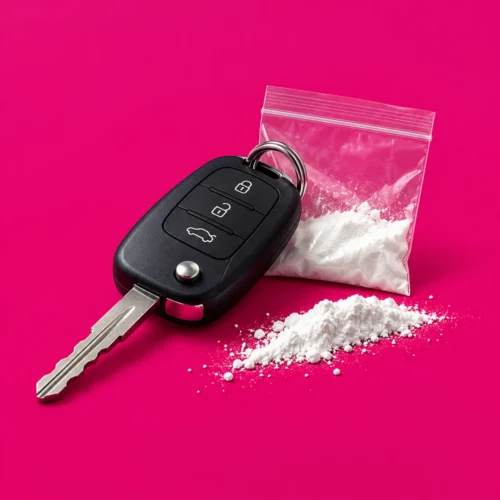
Toxicology tests revealed that the level of benzoylecgonine in his body at the time was 79 times over the specified concentration allowed in law for that substance. Benzoylecgonine is a metabolite of cocaine.
Benzoylecgonine is one of the substances subject to specified blood concentration limits under drug-driving regulations introduced in March 2015.
Hampshire Police, who investigated the driver, were “truly shocked” when they received the test results. The level was one of the highest readings the police force had seen. They stated that it was sheer luck that nobody was killed or more seriously injured in the incident.
The driver was sentenced to a 12-month community order, banned from driving for three years and required to carry out 180 hours of unpaid work.
Drug Testing – Are You Over the Drug-Drive Limit?
A device called a drugalyser is used by police to carry out roadside drug screening. This type of screening uses a saliva sample to check for certain drugs, including cannabis and cocaine.
Individuals who have concerns about drug driving should not rely on a home saliva test to confirm whether they are below the legal limit or fit to drive. Specified drug-driving limits are measured in blood, and a saliva screening result cannot establish compliance with those limits. Some companies also use workplace drug screening, but a screening result alone does not determine whether an employee is fit to drive.
Saliva drug tests can screen for selected substances, depending on the particular test and its specifications. They cannot establish whether a driver is below the legal blood concentration limits. For current information, see the GOV.UK guidance on drugs and driving.
Contemporary coverage of the case is available in the 18 August 2017 news report.
About the Author
Anthony Cunningham, BA (Hons), MA, is a UK-based drug testing expert and editor with over 20 years’ experience running Zoom Testing, a trusted source for accurate drug testing kits and testing guidance. He creates clear, evidence-based articles using UK legislation, workplace compliance standards, and harm reduction best practices. Where possible, content is reviewed by testing specialists and compliance professionals to enhance accuracy and reliability, helping readers make informed testing decisions.
Drug Testing Disclaimer
This article is for general information only. Drug test cut-off levels, detection times and results can vary according to the test, specimen type and testing standard being used. A screening result should not be used on its own to make medical, legal or employment decisions. Where a test result has significant consequences, appropriate confirmation testing and professional advice should be considered.