About This Article
Zoom Testing has over 20 years’ experience providing drug testing products and guidance in the UK. This article looks back at proposals to reclassify Spice and explains the subsequent decision to retain synthetic cannabinoids as Class B drugs.
Published: 5 February 2019 | Last Updated: 29 August 2026 | By: Anthony Cunningham
In 2019, following pressure from police, crime commissioners and MPs, the UK government considered whether Spice and other synthetic cannabinoids should be reclassified because of the negative impact these drugs were having on society.
The Advisory Council on the Misuse of Drugs (ACMD) was subsequently asked to review whether the Class B classification remained appropriate. The ACMD recommended that synthetic cannabinoid receptor agonists should remain Class B drugs, and the government accepted that recommendation in 2022. Synthetic cannabinoids controlled under the Misuse of Drugs Act therefore remain Class B drugs.
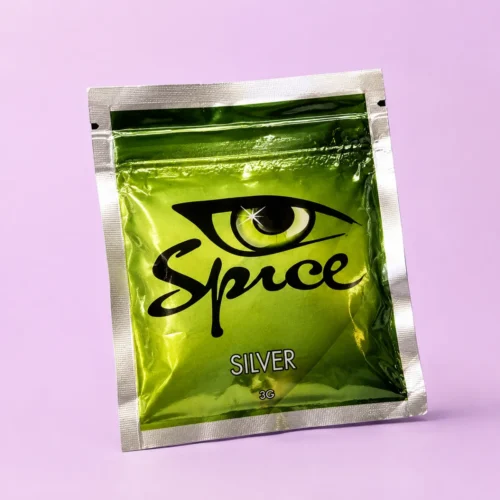
Spice is a common name for synthetic cannabinoid products, sometimes described as “synthetic cannabis” or “fake weed”. These substances can cause severe and unpredictable physical and psychological effects, including anxiety, paranoia, hallucinations and psychosis.
Official figures showed that deaths involving synthetic cannabinoids rose from 8 in 2015 to 27 in 2016. More broadly, the Office for National Statistics recorded 123 deaths involving new psychoactive substances in England and Wales in 2016, falling to 61 in 2017.
In the UK, controlled synthetic cannabinoids such as Spice are Class B drugs, making possession, supply and production illegal. Users can experience severe and unpredictable effects, and MPs at the time argued that stronger action was needed to tackle their use and distribution.
The government took control of a Birmingham prison in August and it reportedly was infested with synthetic cannabis and other drugs that were believed to cause the deaths of a number of inmates. According to many reports, spice is rife in UK prisons.
Ben Bradley, a Conservative MP, led a meeting in October of around a dozen MPs from various political backgrounds. An increase in parliamentary discussion time was pledged in an effort to possibly use the National Health Service to fund intervention programmes. The MPs also wanted to increase pressure on the government to go further than just “continue to monitor” the abuse of drugs such as spice. They also wanted to hold a Westminster Hall debate to highlight the problem. Kevin Foster, a Conservative MP, stated that these are not Class B drugs as they appear and operate more like Class A drugs and should be classified as such.
About the Author
Anthony Cunningham, BA (Hons), MA, is a UK-based drug testing expert and editor with over 20 years’ experience running Zoom Testing, a trusted source for accurate drug testing kits and testing guidance. He creates clear, evidence-based articles using UK legislation, workplace compliance standards, and harm reduction best practices. Where possible, content is reviewed by testing specialists and compliance professionals to enhance accuracy and reliability, helping readers make informed testing decisions.