About This Article
Zoom Testing has over 20 years’ experience providing drug testing products and practical testing guidance in the UK. This article explains drink spiking, substances associated with it, warning signs, testing considerations and what to do if you suspect that you or someone else has been spiked.
Published: 2 May 2024 | Last Updated: 22 August 2026 | By Anthony Cunningham
Drink spiking happens when alcohol or another substance is added to someone’s drink without their knowledge or consent. The effects depend on the substance involved, the amount taken, whether alcohol or other drugs are also present and individual factors such as body size and health.
Spiking can involve alcohol, prescription medicines, controlled drugs or other substances. Some may be difficult to detect by taste, smell or appearance, so an unexpected change in how you feel should always be taken seriously.
Contents
- Drink Spiking and Substances Used
- Possible Signs of Drink Spiking
- Which Drinks Can Be Spiked?
- Alcohol
- GHB and GBL
- Benzodiazepines and Rohypnol
- Ketamine
- What to Do If You Think You Have Been Spiked
- Reducing the Risk of Drink Spiking
Drink Spiking and Substances Used
There is no single substance typically used to spike drinks. Alcohol itself may be added to a drink without the person’s knowledge, while drugs associated with reported spiking incidents have included:
- alcohol
- gamma-hydroxybutyrate (GHB) and gamma-butyrolactone (GBL)
- benzodiazepines and other sedative drugs
- ketamine
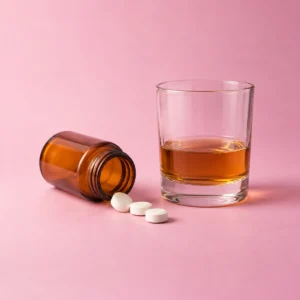
The effects and how quickly they begin vary according to the substance, dose and whether other drugs or alcohol have also been consumed. Combining sedative drugs with alcohol can significantly increase the risk of serious effects, including loss of consciousness and breathing difficulties.
Possible Signs of Drink Spiking
Symptoms vary, but possible warning signs include:
- feeling unusually light-headed or drowsy
- memory loss or blackouts
- confusion or disorientation
- difficulty concentrating or communicating clearly
- slurred speech
- poor co-ordination or loss of muscle control
- blurred vision
- hallucinations or paranoia
- nausea or vomiting
- feeling much more intoxicated than expected
- loss of consciousness
If someone becomes seriously unwell or unconscious, treat it as a medical emergency.
Which Drinks Can Be Spiked?
Any drink can potentially be spiked, including alcoholic and non-alcoholic drinks. There is no reliable way to identify a spiked drink simply from its appearance.
Alcoholic Drinks
Beer, wine, spirits and cocktails can all be tampered with. Extra alcohol can also be added to a drink without someone’s knowledge, for example by replacing a single measure with a stronger one.
Soft Drinks and Juices
Non-alcoholic drinks such as soft drinks, fruit juices and water can also be spiked. Sweet or strongly flavoured drinks may mask an unexpected taste.
Caffeinated Drinks
Coffee, tea and energy drinks can also be tampered with. Caffeine does not protect against the effects of alcohol or sedative drugs.
Alcohol
Alcohol itself can be used for spiking by adding it to a non-alcoholic drink or making an alcoholic drink significantly stronger than the person expects. This can make it difficult for someone to judge how much alcohol they have consumed.
Large amounts of alcohol can cause vomiting, confusion, poor co-ordination and loss of consciousness. The body processes alcohol gradually, and there is no reliable way to speed this process up.
Zoom Testing supplies rapid saliva alcohol tests for alcohol screening. These should not be relied upon to investigate a suspected criminal spiking incident.
GHB and GBL
Gamma-hydroxybutyrate (GHB) and gamma-butyrolactone (GBL) are Class B controlled drugs in the UK. GHB is a central nervous system depressant and can cause serious harm, particularly when combined with alcohol or other depressant drugs.
Effects can include drowsiness, confusion, vomiting, loss of consciousness, breathing difficulties, seizures and, in severe cases, coma or death. Combining GHB or GBL with alcohol increases the risk of overdose.
Zoom Testing also lists a drink test designed to screen for GHB and ketamine. At the time this article was updated, this product was out of stock.
Benzodiazepines and Rohypnol
Benzodiazepines are sedative medicines used for certain medical conditions. Drugs in this group can cause drowsiness, impaired co-ordination, confusion and memory problems, and their effects can become considerably more dangerous when combined with alcohol.
Flunitrazepam, known by the brand name Rohypnol in some countries, is a benzodiazepine that has become strongly associated with drink spiking. It is not licensed for medical use in the UK.
Some branded Rohypnol tablets were reformulated with a blue dye intended to make them more noticeable in light-coloured drinks. However, generic flunitrazepam products may not contain this dye, and a change in colour should never be relied upon as a method of detecting spiking.
Further reading: What Are Tranquillisers?
Ketamine
Ketamine is a dissociative anaesthetic used legitimately in human and veterinary medicine. In the UK, ketamine remains controlled as a Class B drug under the Misuse of Drugs Act 1971.
Its effects can include confusion, impaired awareness, changes in perception, hallucinations and a feeling of detachment from the body. At higher doses, someone may become severely disorientated or unconscious.
Combining ketamine with alcohol or other drugs can increase the risk of harm. Someone who unknowingly consumes ketamine may become confused, incapacitated or unable to protect themselves, making them particularly vulnerable.
Further reading: What Is Ketamine?
What to Do If You Think You Have Been Spiked
If you suddenly feel much more intoxicated, confused or unwell than you would expect, tell someone you trust or a member of venue staff and move to a safe place. Stay with someone you trust rather than leaving alone.
If you feel unwell, seek medical help as soon as possible. Call 999 in an emergency or NHS 111 for urgent medical advice.
Suspected drink spiking should also be reported to the police as soon as possible. Some drugs can leave the body in less than 12 hours, so reporting early may improve the chance of obtaining useful toxicology evidence. Depending on the circumstances, the police may arrange testing and can look for a much wider range of substances than a home screening test.
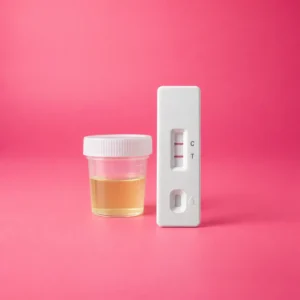
A home test can provide limited screening information, but a negative result cannot rule out drink spiking. If an incident may be criminal, do not rely on a self-testing kit instead of reporting it to the police.
If you think you may have been sexually assaulted, you can also contact a Sexual Assault Referral Centre (SARC), which can provide specialist medical, practical and forensic support whether or not you decide to report the assault to the police immediately.
Featured Product: Date Rape ‘DRINK SPIKE’ Tests
Zoom Testing’s Date Rape ‘DRINK SPIKE’ Tests are designed to screen a suspect drink or urine sample for benzodiazepines, including the drug family to which flunitrazepam belongs. The test does not detect every substance that may be used in drink spiking, so a negative result should never be treated as proof that no spiking has occurred.
Reducing the Risk of Drink Spiking
Responsibility for spiking always lies with the person who commits the offence. There are, however, practical steps that may help you notice interference with a drink or get help quickly if something feels wrong:
- Keep your drink with you: If you leave a drink unattended and are unsure whether it has been tampered with, replace it.
- Watch drinks being prepared where practical: This can help you know what has been poured into your glass.
- Consider a drink cover or bottle stopper: These can provide an additional physical barrier against someone adding something to a drink.
- Look out for friends: If someone suddenly appears much more intoxicated or confused than expected, stay with them and get help.
- Act on unexpected symptoms: If you feel unusually unwell, confused or intoxicated, tell someone immediately rather than assuming it is simply alcohol.
Conclusion
Drink spiking can involve alcohol, sedatives, ketamine and other substances, and the signs are not always obvious. Unexpected intoxication, confusion, memory loss, poor co-ordination or sudden illness should be taken seriously.
If you suspect spiking, prioritise your immediate safety and medical care and report the incident promptly to the police. Home screening tests may provide information about particular drug groups, but they cannot rule out all forms of drink spiking and should not replace official toxicology testing where an offence may have occurred.
About the Author
Anthony Cunningham, BA (Hons), MA, is a UK-based drug testing expert and editor with over 20 years’ experience running Zoom Testing, a trusted source for accurate drug testing kits and testing guidance. He creates clear, evidence-based articles using UK legislation, workplace compliance standards, and harm reduction best practices. Where possible, content is reviewed by testing specialists and compliance professionals to enhance accuracy and reliability, helping readers make informed testing decisions.