
About This Article
Zoom Testing has more than 20 years’ experience supplying drug testing kits and providing clear drug testing guidance. This article explains what tranquillisers are, how benzodiazepines can affect the body, their legal status in the UK and the limitations of screening tests.
Published: 1 November 2024 | Last Updated: 11 September 2026 | By: Anthony Cunningham
Tranquillisers are medicines that reduce anxiety, agitation or activity in the nervous system. Some, including benzodiazepines, may be prescribed for short-term treatment of severe anxiety or insomnia, while certain medicines also have uses in epilepsy, muscle spasms and alcohol withdrawal.
The most common tranquilliser drugs come from the class of drugs we call benzos or benzodiazepines. There are many different brands and some of them are as follows:
- Diazepam or Valium™
- Lorazepam or Ativan
- Nitrazepam or Mogadon, sometimes known by the street name “moggies”
- Temazepam or Normison, sometimes known by the street names “eggs” or “jellies”
- Flunitrazepam or Rohypnol™, sometimes known by street names including “roofies”
Contents
- Why Are These Tranquillisers Abused By People?
- What Do These Drugs Look Like?
- How Are Tranquillisers Taken?
- What Happens To You When You Take Tranquillisers?
- What Are Some Long-Term Effects From Taking Tranquilliser Drugs?
- Tranquillisers And The Law In The UK
- Testing For Tranquillisers With The T-Square Oral Fluid Drug Test
Why Are These Tranquillisers Abused By People?
These drugs are easy to obtain so they are also easily abused. They are common drugs that are abused and they are used after other drugs like cocaine or ecstasy to calm a person down. Some people use them because they enhance the effect of alcoholic beverages.
Benzodiazepines have sometimes been associated with drink spiking, although many different substances, including alcohol, may be involved. If you think your drink has been spiked, stop drinking it, tell someone you trust and seek medical or police assistance as soon as possible. A home screening product should not replace professional investigation or laboratory testing.
What Do These Drugs Look Like?
A tranquilliser commonly comes in capsule or tablet form. Tablets may have different colours depending on the medicine, manufacturer and strength. Some formulations are also available as liquids or gels.
How Are Tranquillisers Taken?
People take them as capsules or tablets under medical conditions. This is done on the street as well but sometimes they are also injected. The capsules are either emptied or the tablets are crushed. Injecting crushed tablets or capsule contents can cause severe injury, overdose and death.
What Happens To You When You Take Tranquillisers?
These drugs calm you down and reduce restlessness or agitation. They can produce drowsiness and decreased mental alertness. They can relax the muscles and when taken in higher doses the person can become dizzy, forgetful and can go to sleep.
Once a person takes a tranquilliser, the onset and duration of its effects depend on the particular medicine, dose and individual. Operating machinery or driving should not be attempted if the medicine causes drowsiness or affects coordination, as there is a higher risk of accidents. There can be aggression and loss of short-term memory associated with some tranquillisers. These drugs do not mix safely with alcohol, opioids or other depressants, and combining them can increase the risk of overdose.
What Are Some Long-Term Effects From Taking Tranquilliser Drugs?
Even when taken as prescribed, tranquillisers can cause side effects such as drowsiness, impaired coordination and reduced alertness. With continued use, tolerance and dependence can develop, particularly with benzodiazepines. For anxiety or insomnia, these medicines are normally prescribed for short periods, often no longer than 2-4 weeks.
The effects of benzodiazepines may diminish with regular use as tolerance develops. Longer-term use can also increase the risk of dependence, memory problems, confusion and other adverse effects.
Withdrawal symptoms can include headaches, panic attacks, nausea, anxiety, irritability and sleep disturbance. People who have taken benzodiazepines regularly should not stop suddenly without medical advice, as the dose may need to be reduced gradually.
Tranquillisers And The Law In The UK
Most benzodiazepines, including diazepam, temazepam and flunitrazepam, are Class C controlled drugs under the Misuse of Drugs Act 1971. They may still be prescribed for legitimate medical purposes, but possessing them without lawful authority or supplying them illegally is an offence.
The maximum penalties can include five years’ imprisonment for possession and 14 years for supply, together with an unlimited fine. The penalty imposed in an individual case will depend on the circumstances.
Despite being controlled drugs, benzodiazepines remain prescribed in the UK for conditions including severe anxiety, insomnia, epilepsy and muscle spasms. Concerns about side effects, tolerance and dependence have led to greater emphasis on cautious prescribing and regular review.
Some argue that further criminalisation of tranquilliser use may be counterproductive. Proponents of a harm reduction approach say that dependent users need access to treatment and support services, rather than simply punishment through the criminal justice system.
In summary, benzodiazepine tranquillisers are tightly controlled in the UK and unauthorised possession, sale or supply can result in criminal penalties. People who are dependent on these medicines should seek professional support and should not stop taking them suddenly without medical advice.
Testing For Tranquillisers With The T-Square Oral Fluid Drug Test
The 12 Panel T-Square Oral Fluid Drug Test Kit is a multi-drug saliva screening test. Before using it to screen for a particular benzodiazepine, check the current product specification, target drug or metabolite, cut-off level and instructions supplied with the kit.
Results from a rapid drug test are preliminary screening results. Detection can vary according to the particular substance, dose, time since use, specimen type, test cut-off and individual metabolism. A non-negative result with significant consequences should be considered for appropriate laboratory confirmation.
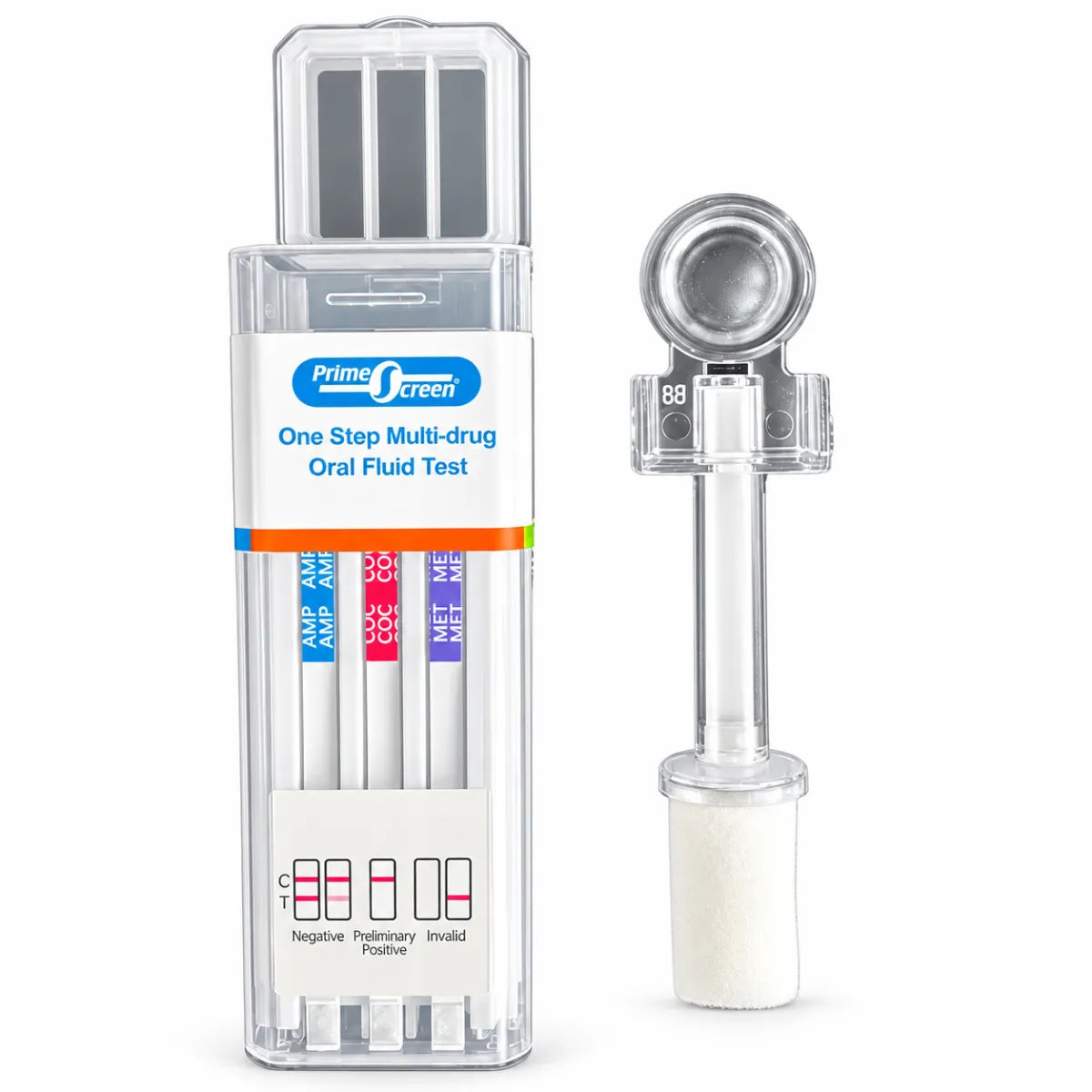
12 Panel T-Square Oral Fluid Drug Test Kit
The 12 Panel T-Square Oral Fluid Drug Test Kit provides a convenient way to screen one saliva sample for the substances listed in the current product specification. Read the instructions carefully and confirm that the required drug panel is included before testing.
About the Author
Anthony Cunningham, BA (Hons), MA, is a UK-based drug testing expert and editor with over 20 years’ experience running Zoom Testing, a trusted source for accurate drug testing kits and testing guidance. He creates clear, evidence-based articles using UK legislation, workplace compliance standards, and harm reduction best practices. Where possible, content is reviewed by testing specialists and compliance professionals to enhance accuracy and reliability, helping readers make informed testing decisions.
Drug Testing Disclaimer
This article is for general information only. Drug test cut-off levels, detection times and results can vary according to the test, specimen type and testing standard being used. A screening result should not be used on its own to make medical, legal or employment decisions. Where a test result has significant consequences, appropriate confirmation testing and professional advice should be considered.