About This Article
Zoom Testing has over 20 years of experience providing drug testing products and information in the UK. This article examines historical Scottish drug seizure figures, including the reported increase in confiscations of diazepam and other benzodiazepines.
Originally published: 4 May 2018 | Reviewed: 19 October 2026 | By: Anthony Cunningham
Historical Archive Notice
This article was originally published in May 2018 and reports on drug seizure statistics in Scotland, principally covering 2016/17. It has been retained as a historical news report rather than updated to reflect current seizure figures.
Drug trends, legislation and testing guidance may have changed since the original publication. The figures below should not be interpreted as representing the current situation in Scotland.
For current drug testing information and guidance, please see our latest articles.
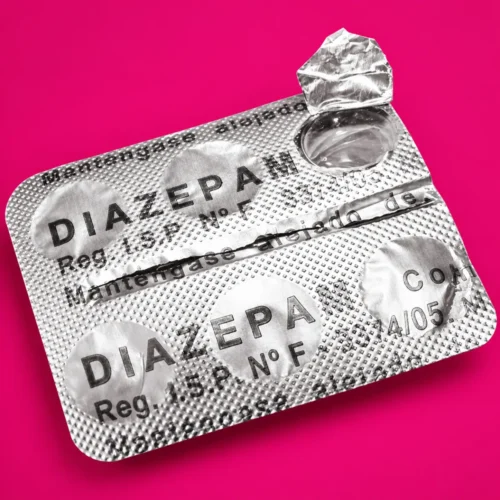
Confiscations of diazepam along with other benzodiazepines had increased almost twofold over the previous two years in Scotland. Statistics published in 2018 indicated that over 2 million tablets, including medicines such as Valium, had been discovered by law enforcement.
Support agencies warned at the time that benzodiazepines were too easy to obtain and could have potentially fatal consequences.
The data published in 2018 also indicated that cannabis was still the drug most frequently seized in Scotland in 2016/17.
Overall, law enforcement discovered 18,000 cannabis plants, roughly 8,600 ecstasy-type pills together with 2.2 million Class C drugs, including diazepam.
The volume of Class A and B drugs confiscated decreased from over 1.2 tonnes in 2015/16. However, the number of individual seizures of cocaine, ecstasy, heroin and cannabis rose from 3,376 to 3,399 during that period.
The quantity of drugs confiscated can vary significantly from year to year and does not necessarily change in accordance with the number of seizures made.
Although the majority of drug confiscations comprise comparatively small amounts (typically possession-related offences), annual quantities of drugs confiscated can be greatly affected by a small number of large seizures (typically supply-related offences).
Evaluation of data from 2014 to 2017 found that 49% of drug confiscations occurred in the street, with 28% taking place in a residence or garden.
Drug confiscations were more prevalent at weekends, with Fridays and Saturdays representing 20% and 19% respectively during the three-year period examined.
The statistics demonstrated that most (86%) of the individuals involved were male, with an average age of 29 years.
Historical source: Scottish Government drug seizure statistics, published March 2018.
About the Author
Anthony Cunningham, BA (Hons), MA, is a UK-based drug testing expert and editor with over 20 years’ experience running Zoom Testing, a trusted source for accurate drug testing kits and testing guidance. He creates clear, evidence-based articles using UK legislation, workplace compliance standards, and harm reduction best practices. Where possible, content is reviewed by testing specialists and compliance professionals to enhance accuracy and reliability, helping readers make informed testing decisions.